Subscribe to Marlin magazine and get a year of highly collectible, keepsake editions – plus access to the digital edition and archives. Sign up for the free Marlin email newsletter.
The quality of a fish is not determined in the kitchen. Most anglers assume that the only hard part is catching the fish. In reality, catching the fish is only the beginning. What happens in the minutes and hours that follow will have a greater influence on eating quality than almost any recipe, cooking technique or seasoning ever could. For decades, conversations around fishing have understandably focused on finding fish, landing fish and catching bigger fish. Yet comparatively little attention has been paid to what happens after the capture. As a result, countless exceptional fish are compromised long before they ever reach a plate.
The challenge is that quality loss begins immediately. The moment a fish leaves the water, the clock starts ticking. Every decision thereafter either preserves quality or diminishes it.
Whether you are fortunate enough to land a swordfish, tuna, mahimahi, mackerel or any other pelagic species, the principles remain remarkably similar. Treat the fish with care, control the temperature, manage moisture, and understand that fish flesh is a living material transitioning through a natural process of change.
The goal should not simply be to get the fish to market. The goal should be to get the very best version of that fish to market, or in this case, your table.
The Fight Matters
Quality preservation begins before landing the fish.
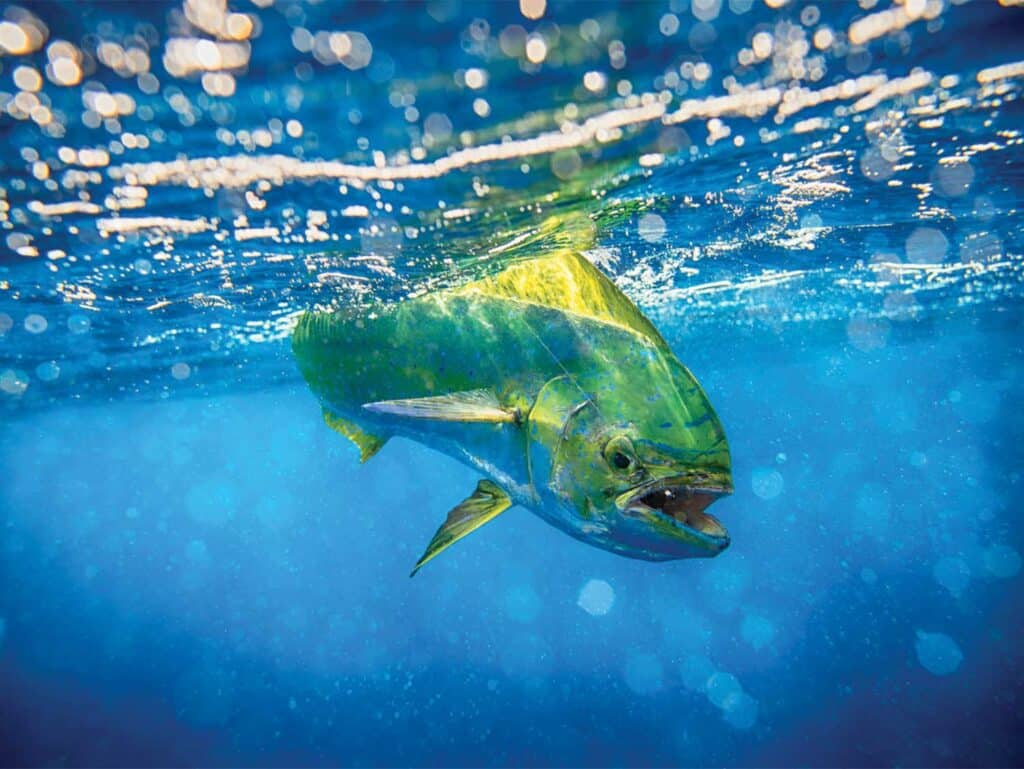
A prolonged fight places enormous stress on the animal. During this period, lactic acid accumulates within the muscles as the fish depletes energy reserves. Excessive exhaustion can negatively influence texture, color and overall eating quality.
This is one reason why experienced anglers often speak about fishing with heavier tackle than is strictly necessary. Bringing a fish to the boat efficiently can result in a better outcome for both the fish and the fisherman.
While every species and situation differ, reducing fight times where possible is beneficial.
Dispatch Quickly and Humanely
Once landed, dispatch the fish immediately.
Allowing a fish to thrash around on deck not only raises ethical concerns but also contributes to physical damage and elevated stress. Bruising, scale loss and muscle damage can all affect the final product.
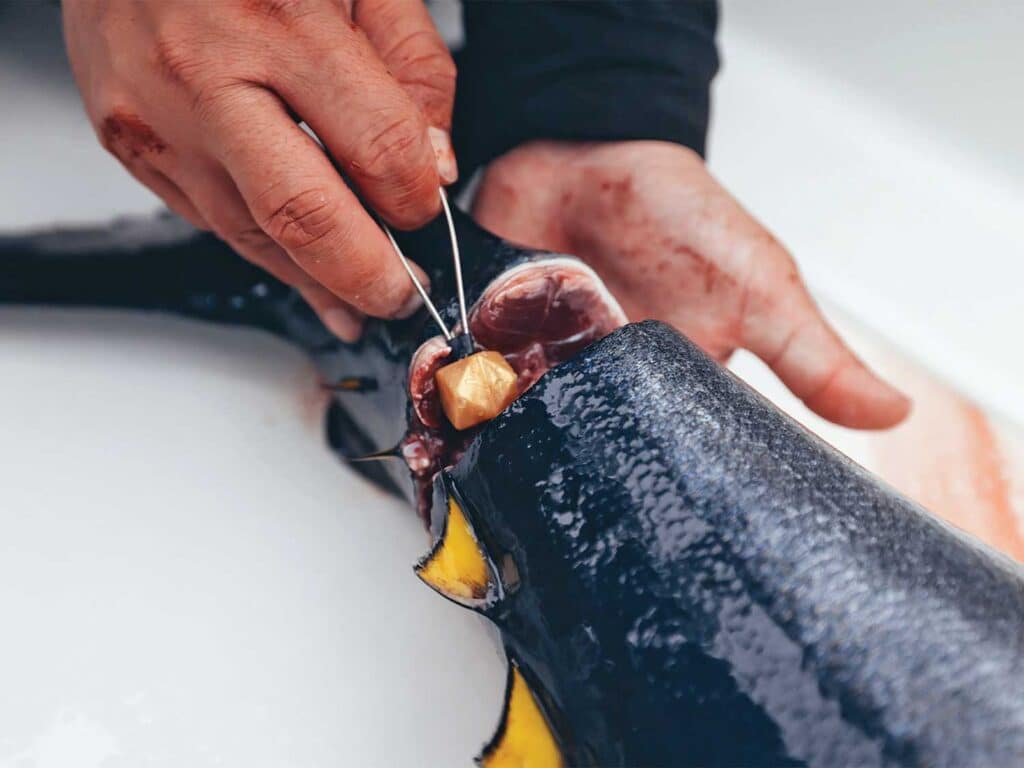
A swift and effective dispatch method should be the priority. At our venues, we use the ike jime method, which eliminates the stress associated with suffocation and ensures that the lactic acid does not return to the flesh.
The objective is simple: Minimize suffering while preserving flesh quality. This is often the single most overlooked stage in recreational fishing.
Bleeding: One of the Most Important Steps
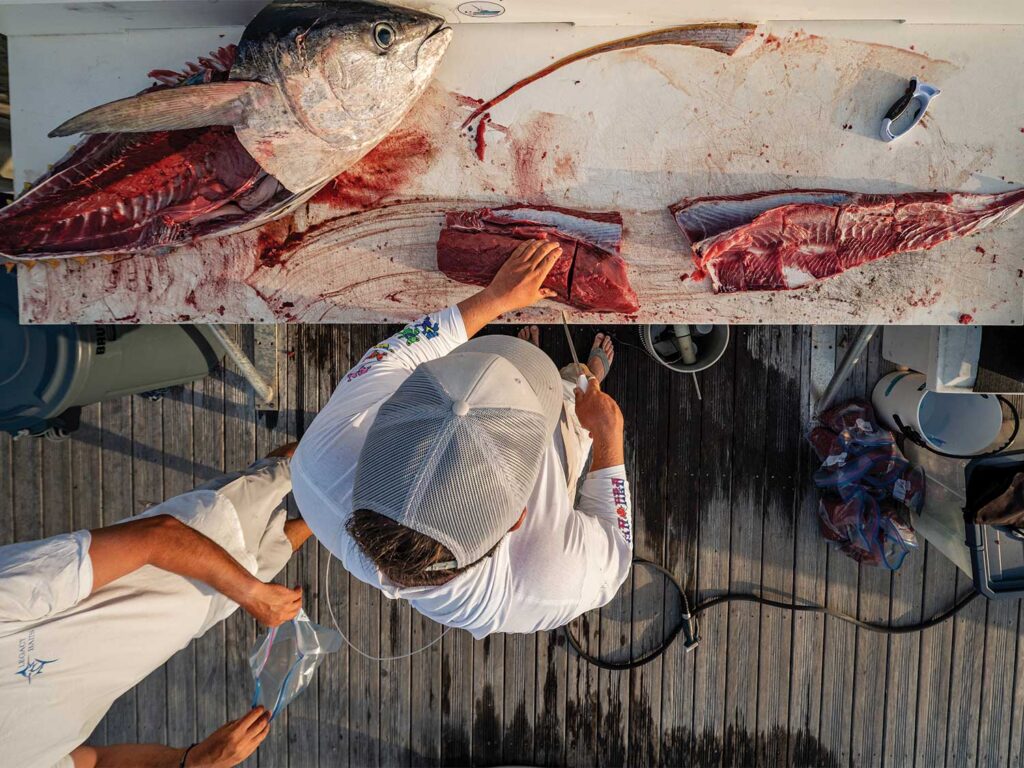
If there is one post-catch process that consistently improves quality, it is bleeding the fish.
Blood is rich in iron and highly susceptible to oxidation. Left within the fish, it can contribute metallic flavors, darker flesh and reduced shelf life.
The exact bleeding method varies between species, but the principle remains the same. Allow the circulatory system to expel as much blood as possible while the heart is still capable of pumping.
This process can dramatically improve flavor, appearance and keeping quality. Many anglers spend thousands of dollars traveling to remote fisheries but overlook a step that takes only a few minutes and can transform the final eating experience.
Temperature Is Everything
The greatest enemy of fish quality is temperature. Most people think of ice as simply a way to keep fish cold, but temperature management is the primary tool available to preserve freshness.
Fish flesh is delicate. Enzymatic activity continues after death, bacteria begin to multiply, and natural degradation processes accelerate as temperatures rise. Cooling the fish quickly is critical. However, icing a fish is not as simple as throwing it into a cooler.
Ideally, the fish should be chilled evenly and consistently. Large fish benefit from cooling the body cavity as rapidly as possible. Ice slurry systems are particularly effective because they provide close contact across the fish’s surface and reduce temperature quickly.
The target is stability. Repeated warming and cooling cycles are highly damaging. A fish that remains consistently cold will generally outperform one that experiences fluctuating temperatures, even if both arrive home on the same day.
Protect the Skin
Most anglers focus exclusively on the fillet, but I would encourage people to think differently.
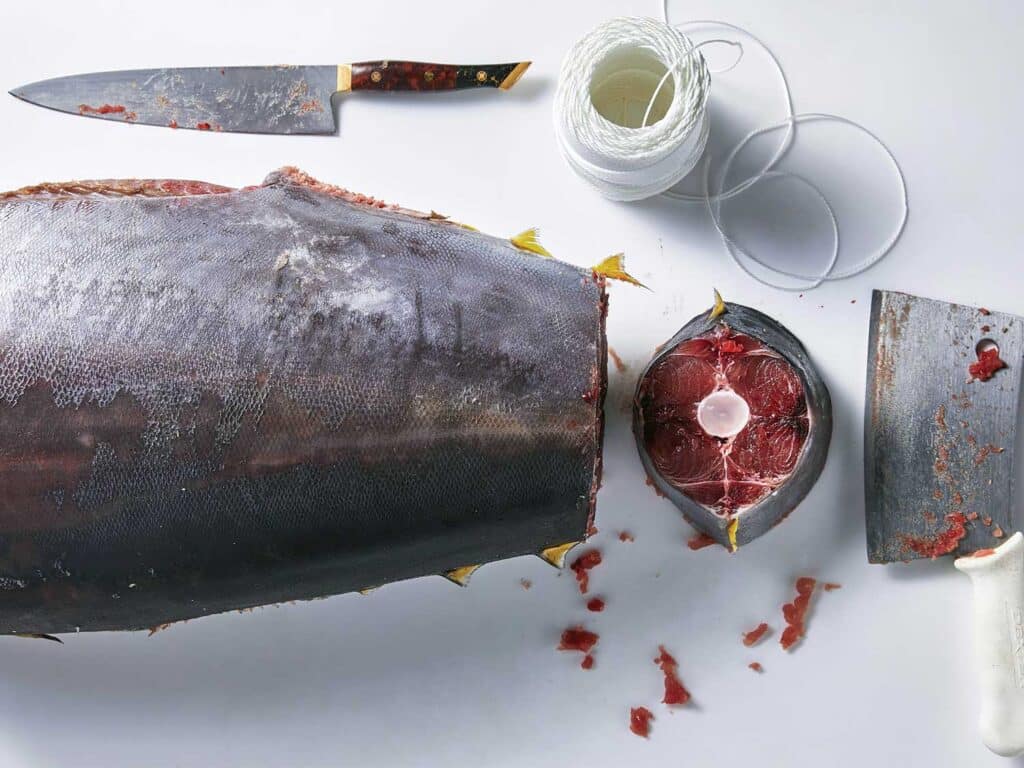
The skin is one of the most important protective layers a fish possesses. It serves as a natural barrier against moisture loss, contamination and oxidation. Every scrape, puncture and abrasion create an opportunity for quality decline.
When handling fish, avoid dragging them across rough surfaces, stacking fish carelessly, or placing them directly on hot decks. My instruction to our fishermen is to pack the fish post catch on their bellies rather than on their side. This, along with organizing them in one layer without stacking, gives every opportunity to ensure the flesh remains firm and unbruised.
I encourage you to treat the skin as protective packaging because that’s exactly what it is.
Don’t Rush to Fillet
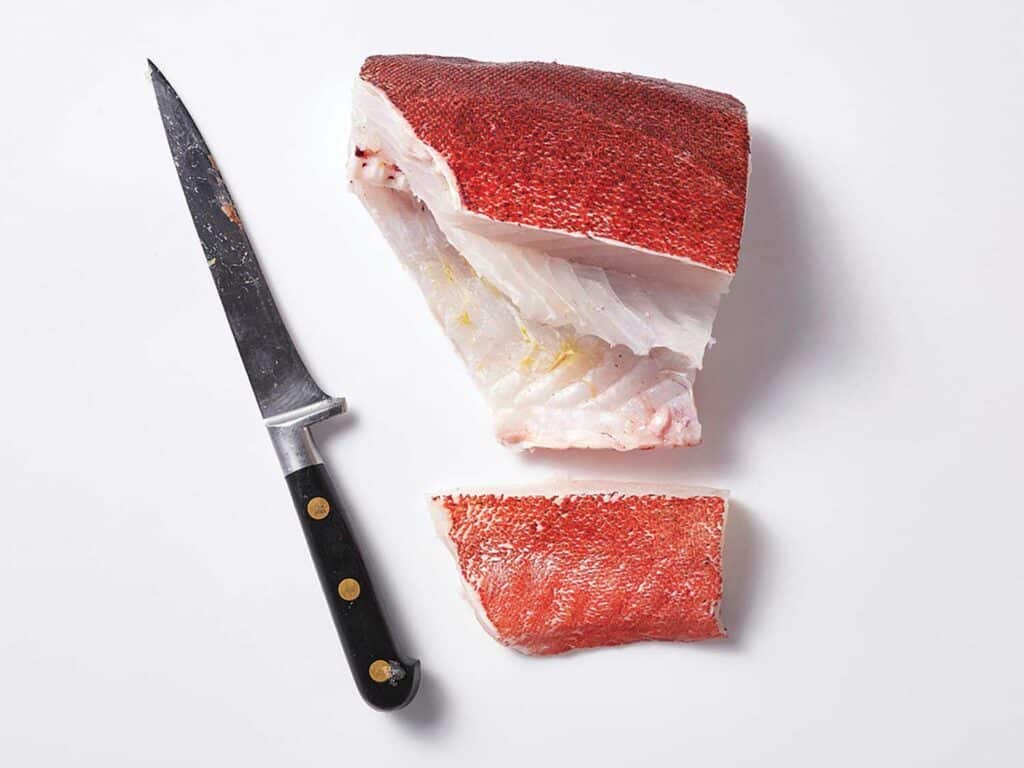
Many anglers believe they should fillet the fish as soon as possible. In many cases, the opposite is true.
Leaving a fish whole allows it to retain moisture, protects the flesh, and creates a more stable environment for maturation. Once a fillet is exposed, it becomes vulnerable to dehydration, oxidation and physical damage.
Professional kitchens around the world increasingly recognize that fish often improve with time when properly stored. Just because a fish is freshly caught does not necessarily mean it is at its best.
Don’t Wash Your Fish
Most anglers insist on scaling and gutting their fish at sea, post catch, in the water it swam in to ensure the “dirty work” is done outside of their kitchen at home.
My frustrations don’t necessarily lie with this method. My issues sit with an industry that constantly scales, guts and fillets under running tap water. This quite possibly is the worst thing you can do to a fish.
Through osmosis, fresh water passes through the membrane of the saltwater fish, resulting in the cells filling with fresh water as the fish tries to find an equilibrium, making the salt water less salty.
Eventually, these cells rupture and break, leaving moisture within the muscle of the fish. This retained moisture rapidly accelerates deterioration. Just because fish swim in water does not mean that they must be processed with water.
At the end of the day, you wouldn’t wash a steak.
Understanding Rest and Maturation
Freshness and quality are not always the same thing.
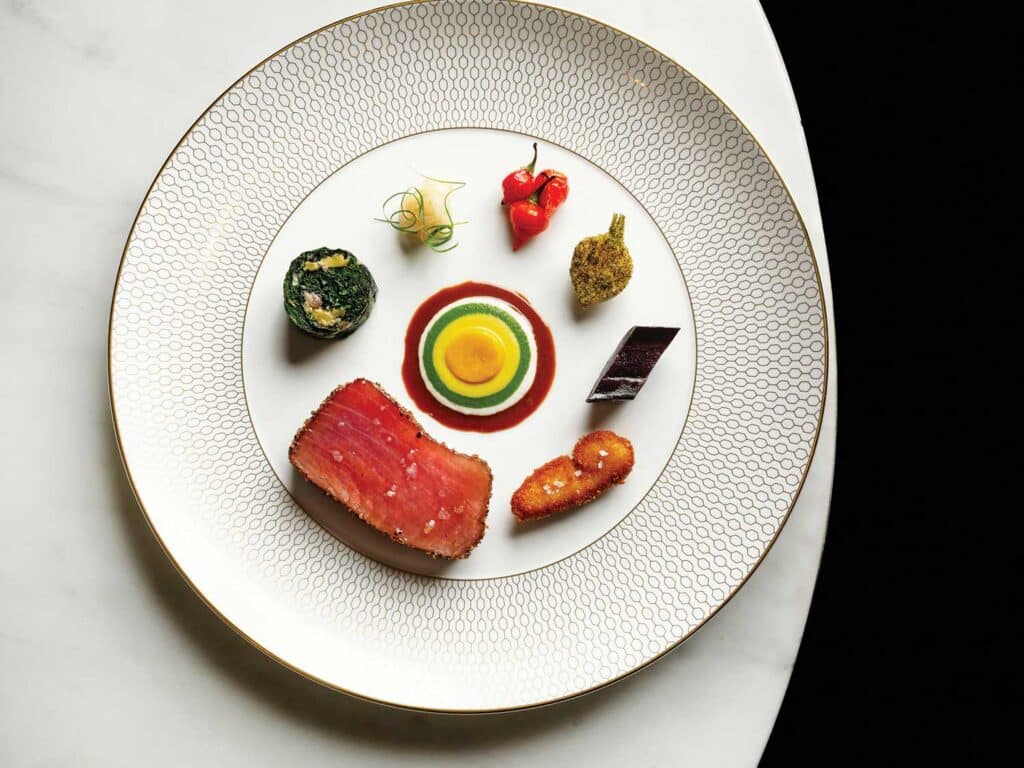
A fish that has been out of the water for only a few hours might be less enjoyable to eat than one that has been carefully rested for several days.
Immediately after death, fish enter rigor mortis. During this period, the flesh can become firm, tight and less expressive in flavor. As rigor passes, natural enzymes begin to gently transform the muscle structure. Texture becomes more supple. Flavor develops greater depth and complexity.
Different species mature at different rates. Some smaller fish might be ready within a day or two. Larger pelagic species can continue improving for considerably longer. The key is maintaining exceptional temperature control throughout the process.
The goal is not aging for the sake of aging. The goal is allowing the fish to reach its peak condition.
Learn the Whole Fish
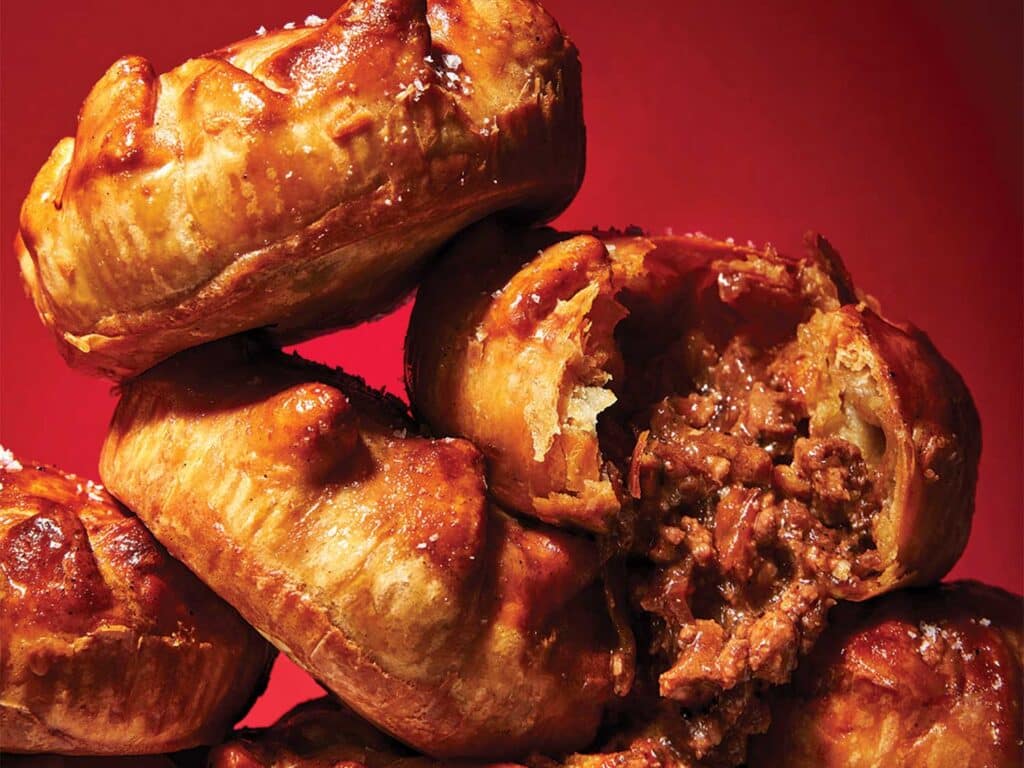
One of the greatest opportunities for anglers is learning to utilize more than just the prime fillets. Many extraordinary eating experiences exist beyond the loin. Collars, cheeks, heads, frames, fins, skin and organs all have culinary value when handled correctly.
Some portions of fish prized most around the world are rarely seen on recreational anglers’ tables. Yielding more from one single fish means one less fish we need to catch. From a financial perspective, every fish has a monetary value, and it makes sense to put all of the fish on the plate, not just half.
Packaging Matters
Once filleted, storage becomes increasingly important. Fish should be protected from excessive airflow while still allowing moisture management. Vacuum sealing has advantages but is not always the perfect solution. Depending on timing and intended use, excessive moisture retention can create challenges of its own.
In many professional environments, storing carefully wrapped fish on racks allows air circulation while preventing dehydration. The objective is maintaining balance. Too much moisture can be problematic. Too little moisture can be equally damaging.
Cooking Begins Before the Kitchen
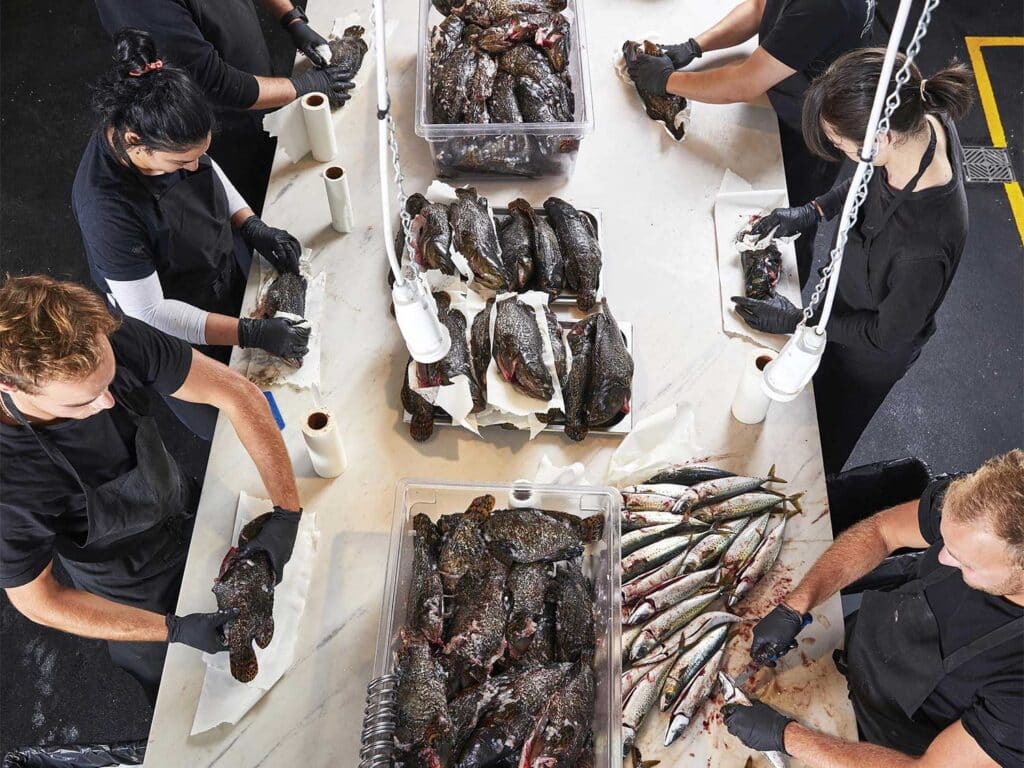
Many anglers spend enormous effort researching lures, electronics and tackle, yet very little time considering the final destination of their catch.
The reality is that cooking starts the moment a fish is landed. Every action thereafter influences the final meal.
The quality of the knife work matters. The quality of storage matters. The quality of handling matters. The quality of temperature management matters.
The final cooking technique is simply the last chapter in a much longer story.
Respect the Resource
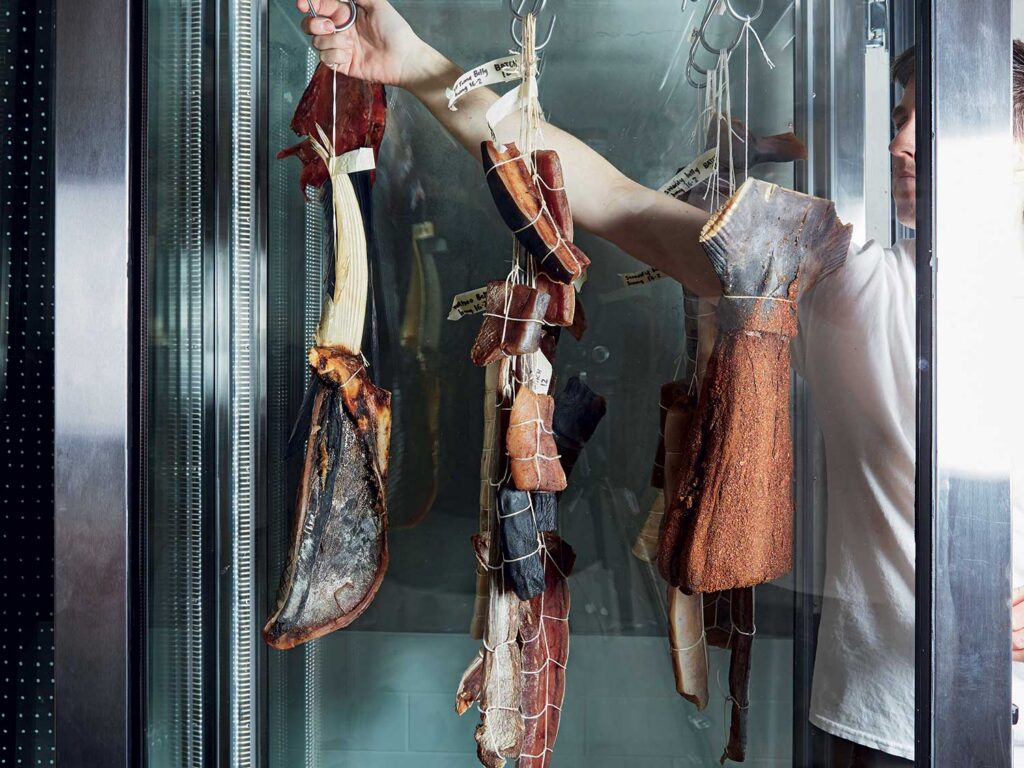
The most important lesson I have learned over many years of working with fish is that quality and respect are inseparable.
When we treat fish as a commodity, quality inevitably suffers. When we treat fish as a precious resource, every decision changes. We land fish more carefully. We process them more thoughtfully. We utilize them more completely.
And ultimately, we eat better.
The difference between an average fish and an extraordinary fish is often not species, size or location. More often than not, it is the accumulation of small decisions made from the moment that fish first hits the deck.
For anglers, that should be exciting because it means the greatest improvement available is not necessarily a bigger boat, a better lure or a new fishing spot.
It is simply learning how to care for the fish already in your hands.