
Subscribe to Marlin magazine and get a year of highly collectible, keepsake editions – plus access to the digital edition and archives. Sign up for the free Marlin email newsletter.
Offshore boating safety has changed dramatically in recent years. Modern vessels combine satellite communications, AIS tracking, man overboard (MOB) systems, medical preparedness and emergency beacons into layered safety networks designed to improve rescue response offshore. But despite all the advances in technology, experienced captains still understand one important reality: There is no replacement for preparation, training and traditional lifesaving equipment.
AIS EPIRBs Improve Rescue Response
One of the biggest recent advances in marine safety is the addition of AIS technology to EPIRBs and MOB devices.
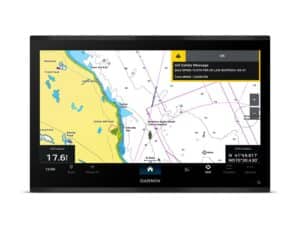
Traditional EPIRBs already alert global rescue authorities through the COSPAS-SARSAT satellite network. New AIS-equipped models now also transmit a local AIS distress signal that can immediately appear on nearby vessels’ chart plotters and navigation systems. That means nearby sport-fishing, commercial or recreational vessels may be able to respond much faster than distant rescue aircraft or vessels.
Modern AIS distress devices can broadcast precise GPS positions, trigger alarms on AIS and DSC-equipped systems, and allow nearby vessels to navigate directly to the distress location. Some newer AIS MOB systems (Class M) also integrate DSC distress alerting, causing nearby VHF radios to generate audible alarms in addition to AIS chart-plotter alerts. In busy offshore conditions or at night, that extra layer of alerting can be extremely valuable. For offshore operators, AIS-equipped EPIRBs and MOB devices dramatically improve local awareness during emergencies.
Modern MOB Systems Add Another Layer of Safety
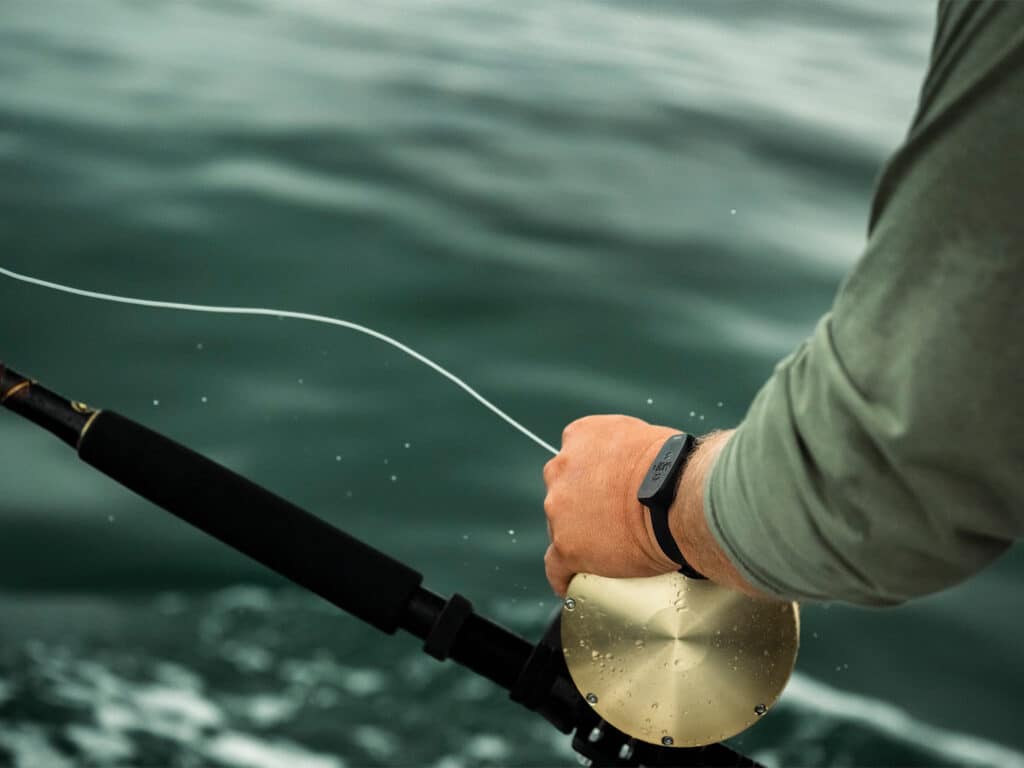
Modern MOB systems now go far beyond simple engine shutoff switches. Systems from Garmin and Fell Marine use wireless wearable tags instead of traditional lanyards, allowing captains and passengers to move freely around the vessel while still maintaining MOB protection. Some systems can monitor multiple passengers at once, including children and even pets. If someone falls overboard, alarms can immediately alert the crew and, in some cases, automatically stop the engines.
Personal wearable AIS MOB beacons are also becoming increasingly popular. Attached to a life jacket or foul-weather gear, these compact devices transmit AIS distress signals that nearby boats can instantly see on their chart plotters. For overnight passages and offshore runs, combining wireless MOB systems with wearable AIS beacons creates multiple layers of protection.
Satellite Communication Has Changed Offshore Boating
Devices like the Garmin inReach Mini 3 Plus have become standard offshore safety tools, providing two-way satellite texting, SOS emergency activation, GPS tracking and weather information. Unlike traditional EPIRBs, handheld satellite communicators allow ongoing communication with rescue coordinators and family during emergencies.
Meanwhile, Starlink has transformed offshore connectivity by giving boats internet access far from shore. Crews can now access weather routing, radar imagery, vessel tracking, messaging, and even remote vessel monitoring almost anywhere offshore.
But Starlink has limitations during emergencies. It depends on vessel power, Wi-Fi hardware and connected devices, making battery backup systems extremely important offshore. In a true abandon-ship situation, the system may no longer be practical or operational. Unlike handheld satellite communicators, most Starlink systems are not portable, waterproof, or practical to carry into a life raft during an abandon-ship situation—one reason handheld GPS communicators still offer major survival advantages.
Satellite tracking systems are also becoming more common aboard tournament boats and long-range recreational vessels, allowing shore contacts and family members to monitor vessel movement in real time.
Medical Preparedness Offshore
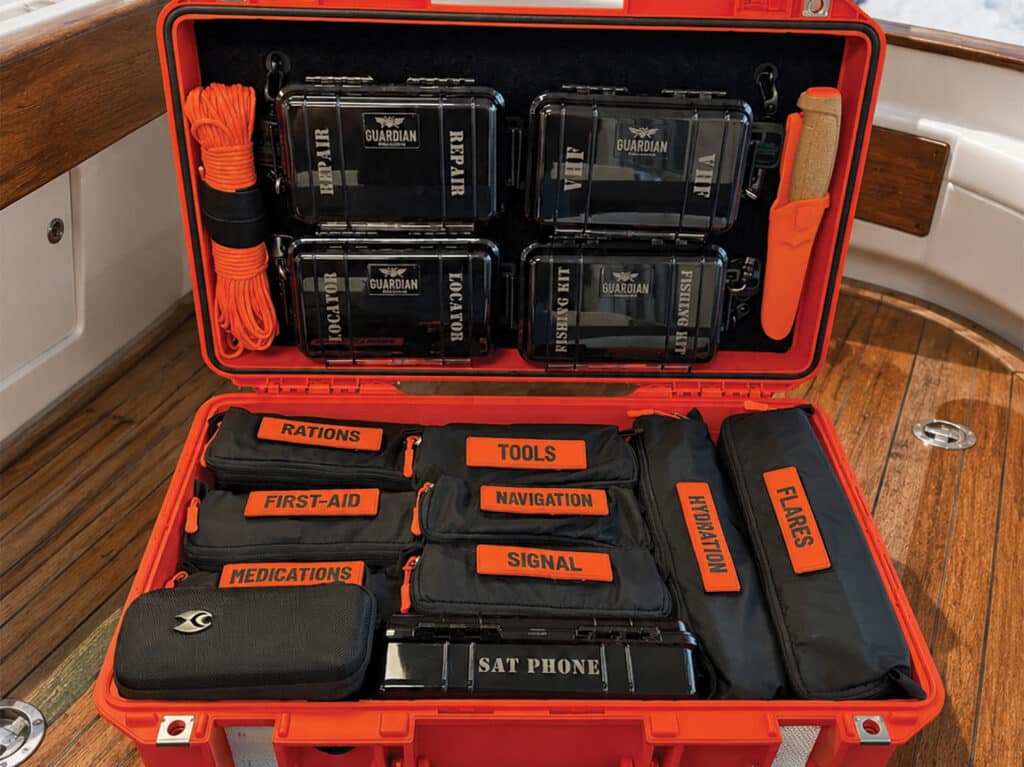
As technology allows people to spend more time on the water, onboard medical preparedness is receiving much more attention. Professional offshore medical kits, including the popular orange D-Dey Offshore kits, often include trauma supplies, bleeding-control equipment, medications, airway tools and AEDs (automated external defibrillators).
Rapid access to an AED during a cardiac emergency offshore can dramatically improve survival outcomes. D-Dey Offshore also provides training on the equipment included in the kits, helping crews better prepare for real offshore emergencies. More captains and crews are also pursuing CPR, AED and marine medical training as part of their offshore preparedness plans.
Traditional Safety Gear Still Matters
Traditional safety equipment, however, remains critical offshore. There is still no true replacement for the basics, such as USCG-approved pyrotechnic flares, life rafts that are up to date, ditch bags, and fixed and handheld VHF radios. USCG-approved LED electronic flares are excellent supplemental tools, but traditional flares, especially aerial versions, still provide unmatched visibility.
Life rafts also remain among the most important offshore safety equipment. Most models are still heavy, bulky and expensive, but nothing replaces a properly serviced offshore raft during a true abandon-ship emergency. And while satellite communications continue to advance rapidly, on-scene rescue coordination with the Coast Guard and nearby vessels is still conducted primarily over marine VHF radio. A properly installed fixed-mount VHF with DSC capability—along with waterproof handheld backup radios—remains one of the most important emergency tools on board. The best offshore safety strategy combines modern technology with proven traditional equipment.