Subscribe to Marlin magazine and get a year of highly collectible, keepsake editions – plus access to the digital edition and archives. Sign up for the free Marlin email newsletter.
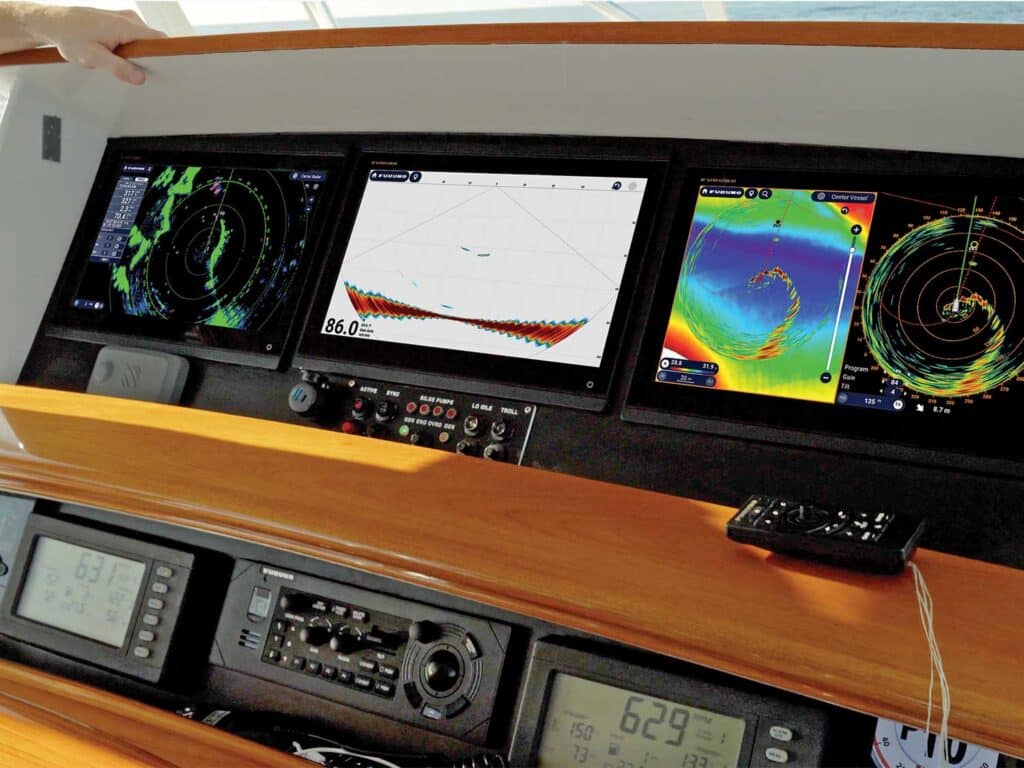
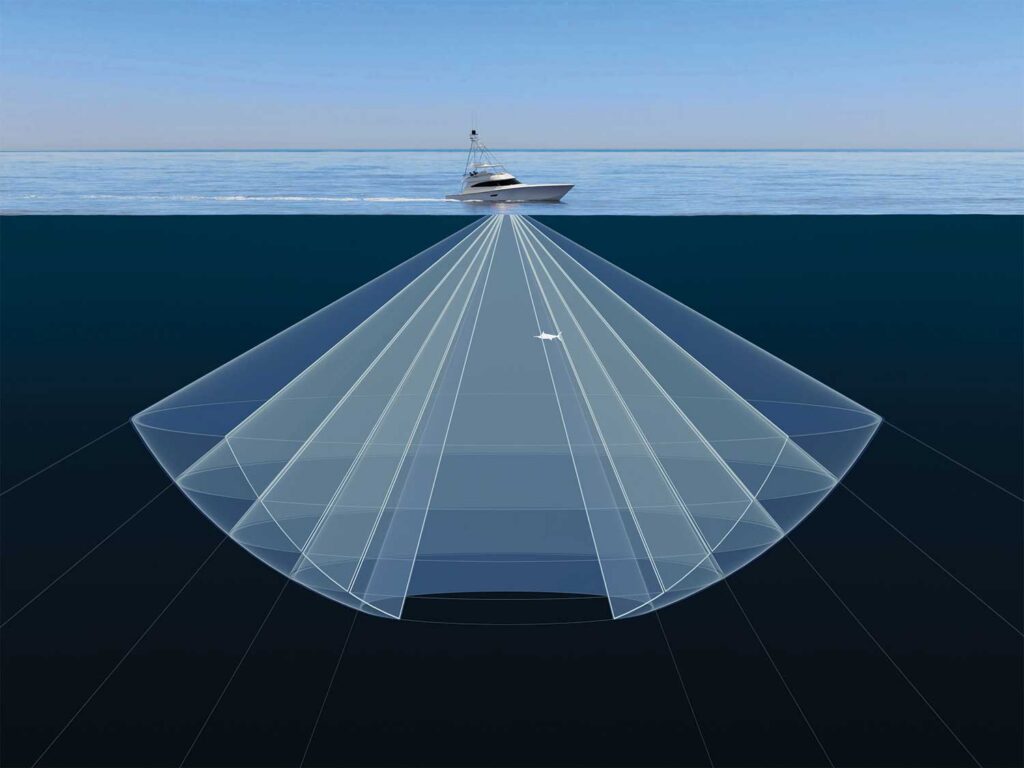
For many, the omni sonar is the single biggest advancement in fish-finding technology since GPS. Unlike a conventional fish finder, an omni sonar scans live in every direction, letting captains locate bait, track gamefish, identify structure, and monitor fish movement hundreds of yards out—well before anything shows up on the surface. No matter where or how you fish, an omni sonar gives a crew a level of underwater awareness that would have seemed like science fiction a generation ago. It’s become a standard tool aboard many of today’s tournament sport-fishing boats.
Three manufacturers dominate the recreational omni sonar market: Furuno, Simrad (Kongsberg Discovery) and MAQ Sonar. All three build systems capable of locating bait, gamefish and bottom structure. The real differences show up in software, user interface, networking, installation requirements, service support and overall ownership experience.
This article won’t try to crown a single “best” omni sonar. Instead, it’s meant to help buyers understand what each system does well so they can pick the one that fits their boat, budget and style of fishing.

Before Comparing Brands
One common misconception is that choosing an omni sonar comes down to comparing equipment prices. In reality, every installation carries two major expenses beyond the sonar itself.
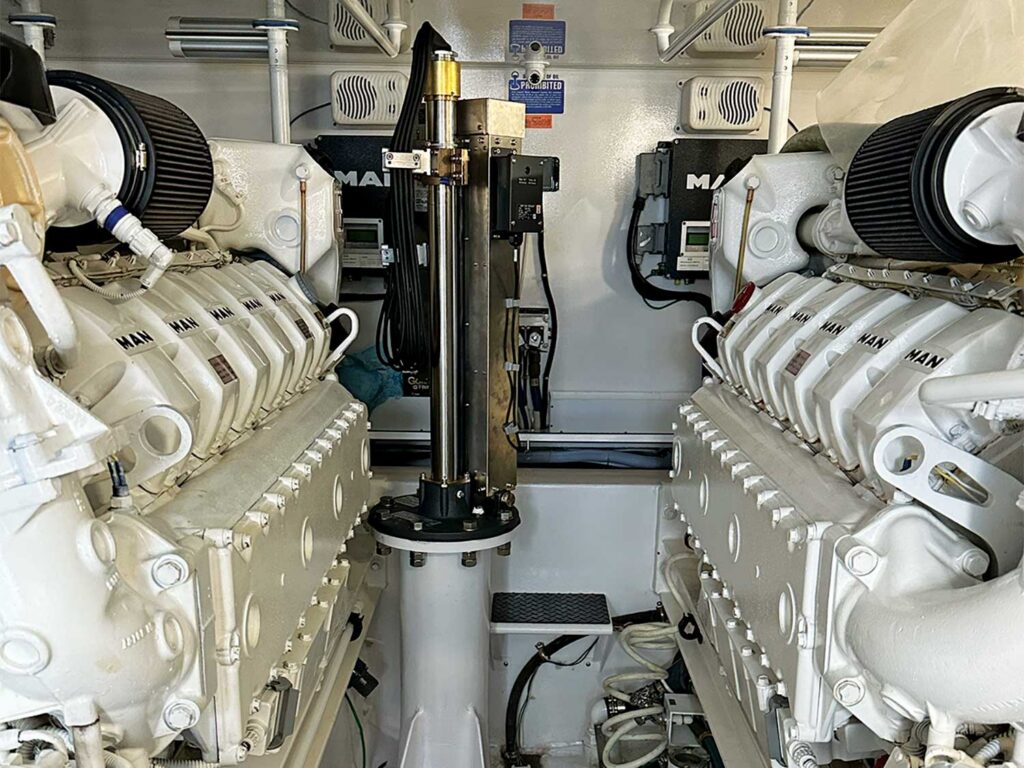
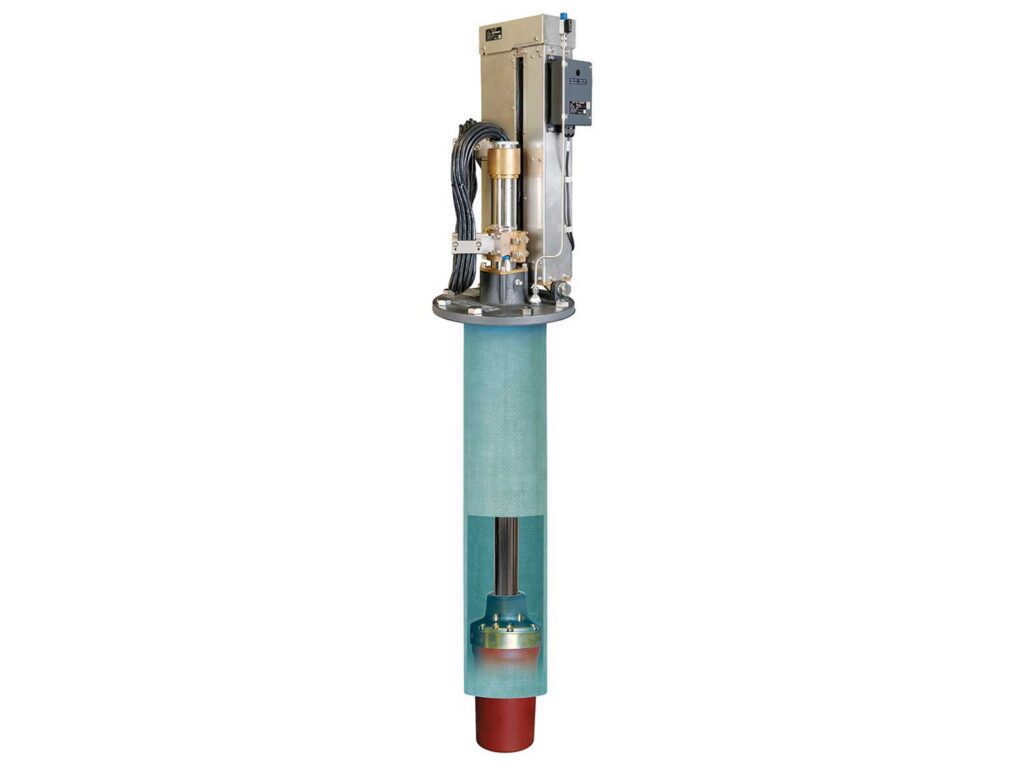
The first is installing the fiberglass (or metal) tube that permanently houses the retractable transducer. As of 2026, depending on the boat, hull construction and yard labor, that typically runs around $20,000.
The second relates to installation of the sonar’s electronics, displays, processors and wiring, plus commissioning the system. Generally, these cost another $10,000 in labor as of 2026.
The good news is all three manufacturers use essentially the same industrial-spec tube arrangement, so these installation costs are remarkably similar no matter which brand you choose. That means the buying decision should hinge less on installation cost and more on features, support, reliability and long-term value.
Furuno: The Proven Sport-Fishing Standard
Few products have earned the reputation in recreational sport fishing that Furuno’s omni sonars have. For decades, Furuno systems have helped tournament-winning crews find bait and gamefish around the world.
Buyers today generally choose between two Furuno omni models.
CSH-8LMK2
Although no longer Furuno’s newest unit, the CSH-8LMK2 remains one of the most respected omni sonars ever built. Its reliable performance, excellent fish detection, straightforward operation, worldwide service support and strong resale value—backed by a large user base—make it an exceptional value for buyers seeking a quality used system.
CSH10
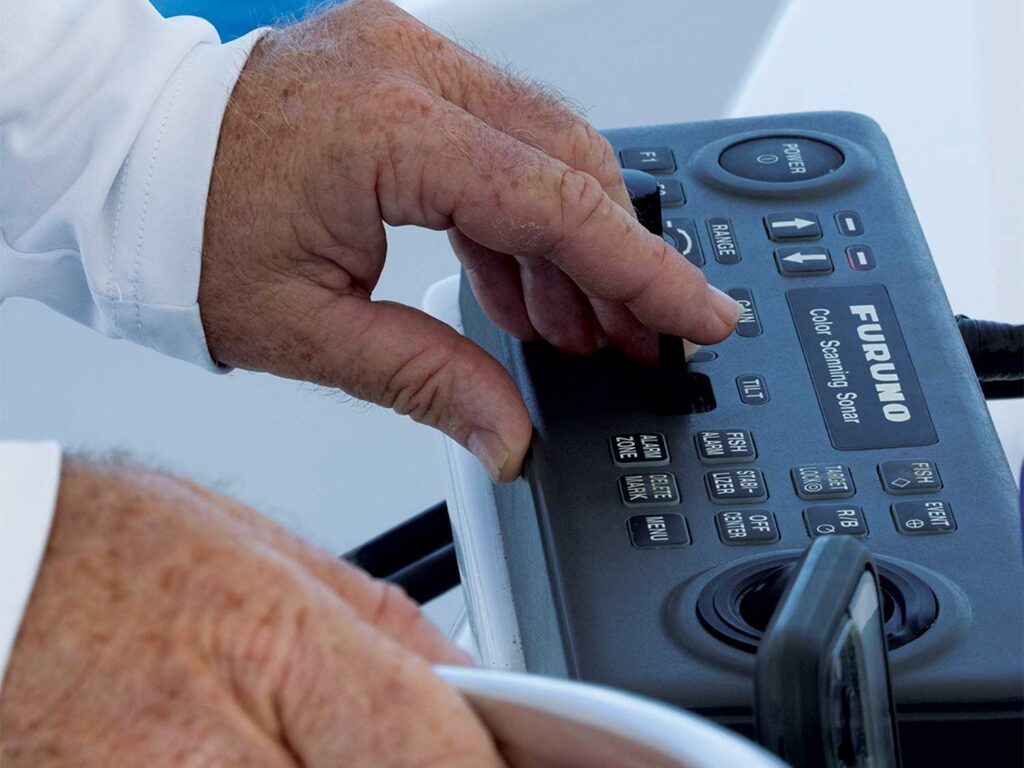
Rather than reinventing the omni sonar, Furuno refined it. The CSH10 builds on the CSH-8LMK2 with beam stabilization, improved signal processing, sharper target presentation, expanded analysis and recording tools, an updated controller and interface, seamless NavNet TZtouchXL integration, and remote factory support. It is not simply a replacement for its predecessor, but rather the next generation of Furuno omni sonar technology.
Furuno Comparison
| FEATURE | CSH-8LMK2 | CSH10 |
| Fish Detection | Excellent | Excellent+ |
| Signal Processing | Proven | Next generation |
| Beam Stabilization | No | Yes |
| Display Features | Mature | Expanded |
| Navigation Integration | Good | Excellent |
| Software Features | Excellent | Outstanding |
| Best For | Value & proven reliability | Premium Buyers |
Simrad by Kongsberg: Modern Digital Sonar
Simrad’s omni sonar systems come out of Norway, developed by Kongsberg Discovery, a world leader in commercial marine technology. That commercial heritage shows. Rather than emphasizing traditional stand-alone operation, Simrad leans heavily into networking, digital signal processing and software development.
SY50
Built for today’s sport-fishing fleet, the SY50 combines a compact transducer and transceiver package with fast digital processing, adjustable frequency, modern controls, Ethernet networking and seamless display integration. Frequent software updates and remote diagnostics further enhance its appeal, especially for boats without space for the larger equipment required by competing systems.
SY60
Sharing the SY50’s software platform, the SY60 adds a redesigned, more powerful transducer with 384 elements—50 percent more than the SY50. Greater receiver sensitivity, improved range and deepwater performance, enhanced target separation and SteadyPing stabilization make it a strong choice for demanding offshore applications.
Simrad Comparison
| FEATURE | SY50 | SY60 |
| Boat Size | 30+ ft. | 30+ ft. |
| Installation Space | Typical | Slightly taller tube |
| Performance | Excellent | Maximum |
| Software | Same | Same |
| Networking | Excellent | Excellent |
| Interface | Modern | Modern |
| Best For | Boats with limited space | Boats with adequate tube clearance |
MAQ Sonar: Practical and Cost-Effective
Based in Canada, MAQ Sonar approaches omni sonar from a commercial fishing perspective. Rather than chasing advanced software or deep networking, MAQ focuses on dependable performance with straightforward operation—and for many owners, that simplicity is exactly the point.
Mini MAQ
The smallest system in the lineup, this compact, lower-cost option is ideal for smaller boats and installations with limited space. Its 6-inch transducer is similar in size to many legacy searchlight sonar systems.
MAQ60
MAQ’s primary recreational sport-fishing model combines practical operation, solid overall performance and straightforward controls at a lower initial cost. It competes most directly with the Furuno CSH-8LMK2 and Simrad SY50.
MAQ90
Built for anglers who need higher-frequency performance, this model excels at identifying weak or difficult targets, including tuna, squid and a range of forage species. Its interchangeable MAQ60-size transducer offers selectable beam widths down to 6 degrees, while adjustable transmit power helps improve shallow-water, near-surface and near-bottom detection by reducing reverberation and sidelobe interference.
MAQ Comparison
| FEATURE | MINI MAQ | MAQ60 | MAQ90 |
| Installation Size | Small | Medium | Medium |
| Performance | Good | Very Good | Excellent |
| Purchase Price | Lowest | Moderate | Moderate |
| User Interface | Simple | Simple | Simple |
| Best For | Smaller boats | Sport-fishers | Sport-fishers |
Performance: Is One Brand or Model Better?
This is probably the question buyers ask most. The honest answer is all three manufacturers build very capable omni sonars that will locate bait, find fish, and identify bottom structure.
The real differences show up in image processing, ease of operation, software features, display quality, networking, technical support, long-term reliability, and integration with other onboard electronics. For most experienced operators, success depends far more on learning the sonar than on the logo printed on the display.
Frequency Isn’t Everything
One of the biggest misconceptions in this category is that one operating frequency is automatically superior. Sonar performance depends on a mix of variables: water depth, water temperature, salinity, bottom composition, target species, nearby sonar interference and fishing technique.
Furuno’s proven 85 kHz frequency has earned an outstanding reputation in recreational sport fishing. Simrad and MAQ systems allow users to adjust the operating frequency at installation to optimize it for local conditions, though these settings are rarely changed once the boat is commissioned.
Service May Matter More Than Brand
One of the most overlooked considerations when buying an omni sonar is the support available after installation. Local dealer expertise, parts availability, software updates, responsive factory support and an installer’s familiarity with the brand can matter more to long-term owner satisfaction than the relatively minor differences between competing systems.
Which Omni Sonar Is Right for You? Comparing the Three Manufacturers
| FEATURE | FURUNO | SIMRAD | MAQ |
| Sport-Fishing History | Excellent | Growing | Moderate |
| Commercial Heritage | Excellent | Excellent | Excellent |
| User Interface | Mature | Modern | Simple |
| Software Features | Outstanding | Outstanding | Basic |
| Networking | Excellent | Excellent | Good |
| Worldwide Support | Excellent | Very Good | Good |
| Software Updates | Regular | Frequent | Limited |
| Resale Value | Excellent | Very Good | Good |
Long Story Short: Furuno stands out for its proven tournament history, worldwide support, strong resale value, long-term reliability and TZtouchXL integration. Simrad appeals to buyers seeking modern digital electronics, advanced networking, frequent software updates and remote connectivity. MAQ offers straightforward operation, practical commercial design and a lower purchase cost, prioritizing simplicity over advanced software.
Final Thoughts
The best omni sonar is the one that complements your boat, your electronics, your budget and the way your crew fishes. Since tube installation and labor costs are essentially the same no matter the manufacturer, owners should focus their buying decision on long-term support, ease of use, integration and the features that matter most to them, not just the sticker price.
In the end, the most valuable component of any omni sonar system isn’t the transducer or the display. It’s the captain who knows how to use it.