Subscribe to Marlin magazine and get a year of highly collectible, keepsake editions – plus access to the digital edition and archives. Sign up for the free Marlin email newsletter.
So, you want to own a competitive sport-fishing team? You’d better make sure you have plenty of money—and more importantly, manage it well.
As the founder and CEO at Barclay Breland, a wealth-management firm located in South Florida, we see firsthand what it takes to fund and sustain these operations. Competitive sport fishing isn’t just a passion project; it’s a recurring cash-flow commitment that demands planning, discipline and the right expectations.
This article is subjective in more ways than you can imagine, but the goal here is simplicity, not precision. In every category, there will be teams that spend far more and others that spend far less.
Think of this as a framework for conversation around capital deployment, liquidity and ongoing operating costs—because owning a competitive program isn’t about whether you can afford it once, but whether you can comfortably support it year after year without disrupting the rest of your financial life.
The Boat
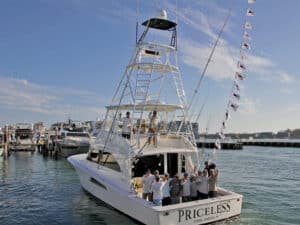
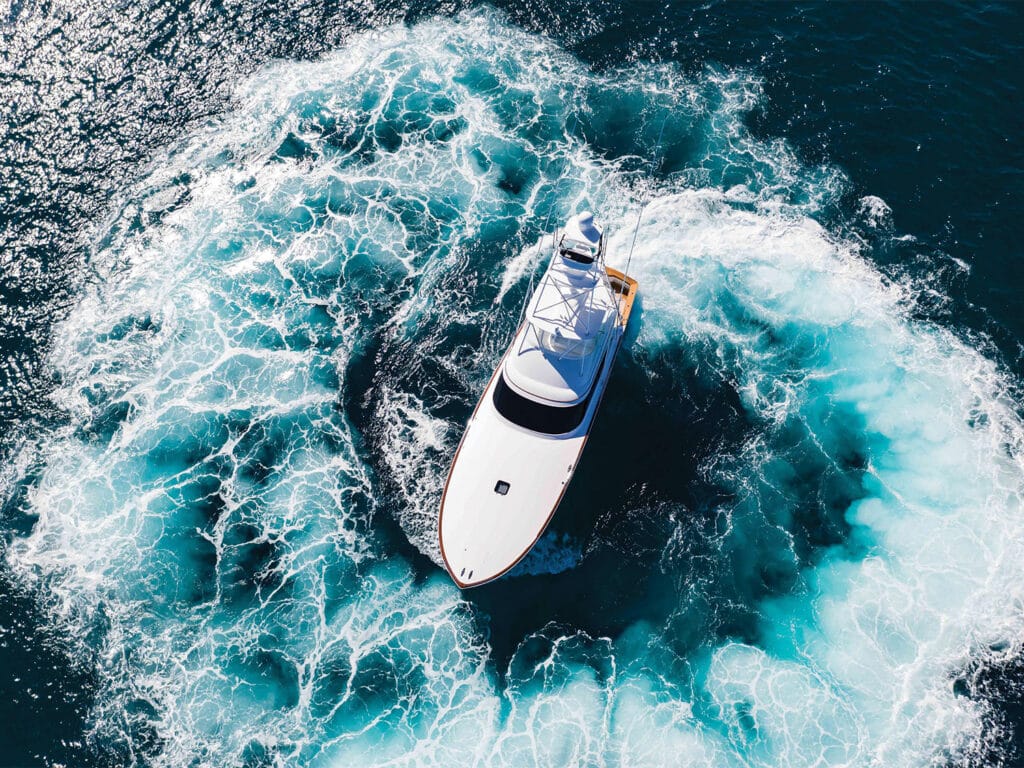
The first item on the agenda is the boat, of course. Buying a sport-fishing boat isn’t much different than buying a car. You need to find one that fits your needs, style and how you plan to use it.
Is a 50-plus-foot Carolina boat with a simple interior, indoor-outdoor carpet in the salon, three staterooms and two heads good enough? Or do you want a fully custom build with every option available? Do you need four staterooms, Seakeepers, sonar, Starlink and a custom interior?
The reality is the price range is wide—anywhere from $500,000 to over $20 million. While competitive programs tend to need the bigger boat, many owners are perfectly well served by an older custom boat that has been thoughtfully updated or had new technology added over time.
As a starting point, we generally suggest looking north of $4 million and moving up from there, depending on the program’s goals. From a family-office perspective, our clients typically purchase boats in a tax-efficient manner, often using entity structures that align with the broader balance sheet. At this level, we seldom see traditional financing—the decision is usually about deployment of capital, not access to it.
Insurance
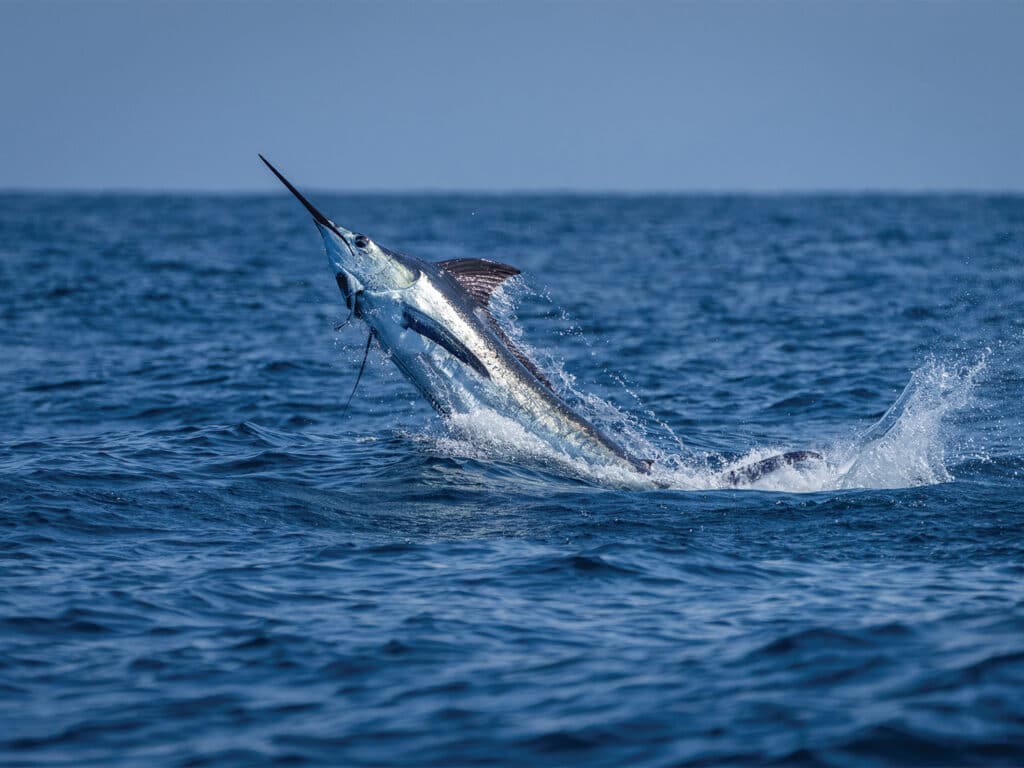
The first item after the purchase is insurance. No one wants to operate a $5 million asset on the water without proper coverage. For conversation purposes, a $5 million sport-fishing boat can expect to carry an annual insurance premium of roughly $40,000, though that number can move meaningfully in either direction.
I recently spoke with Greg Jones, a 20-year veteran in marine insurance with Christi Insurance, who outlined several variables that directly impact premium costs. One of the first questions underwriters ask is whether the program has a full-time captain. Quite frankly, you can’t run a truly competitive program without one—and insurers know that. Experience, continuity and professional oversight matter.
Travel plans are another major factor. Will the boat remain up north and sit on the hard during the winter months? Will it relocate to Florida to fish the sailfish circuit? Or will it spend part of the year in the Pacific? Each scenario carries different risk profiles, and premiums adjust accordingly.
There are many variables that ultimately determine insurance costs, but from a family-office perspective, we encourage clients to think beyond just the boat policy itself. Additional layers of coverage are often warranted to protect not only the vessel and crew, but also any entities tied to the boat’s LLC structure. Proper risk management isn’t just about replacing an asset; it’s about protecting the broader balance sheet.
Captain and Crew
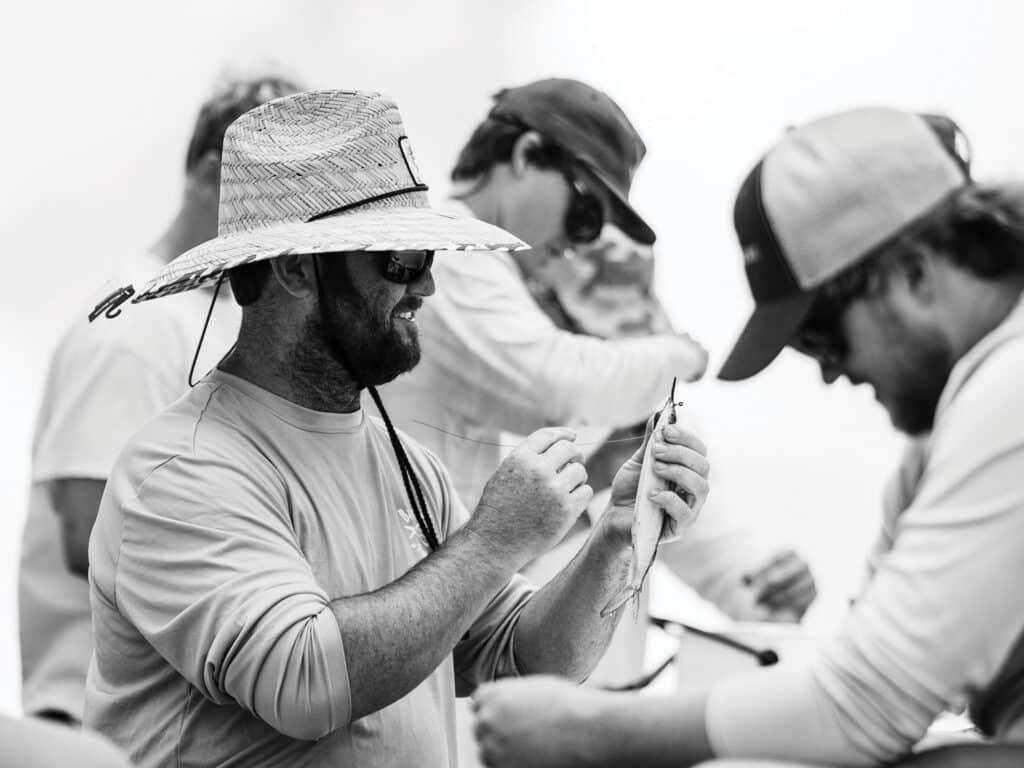
If you want a first-class program, you need a team—and that team is run by the captain. He gets all the credit when things go right and all the criticism when they don’t.
The captain’s responsibilities extend far beyond turning the wheel and texting buddies on the rip. This isn’t a 9-to-5 job; it’s a lifestyle. Long hours, constant travel, oil changes, buffing and polishing, coordinating yard work—the list never ends. It’s a big ask. You are effectively handing the keys to someone responsible for managing a $5 million asset that requires constant attention and sound judgment.
So, what does a captain get paid? This is where opinions vary widely. In my view, one of the most important qualities in a captain is experience—someone who has competed successfully in tournaments but also knows how to treat the family when they’re aboard and can hold a conversation when clients or business guests are on the boat. Experience matters, but reputation matters even more. The sport-fishing circuit is a small world, and those who have been around know which captains are the right fit for a given program. Not every program fits every captain, and vice versa.
Like senior roles in any nonfishing business, compensation goes beyond base salary. Health insurance, retirement plans, travel expenses, housing allowances, company vehicles and time off all come into play. For conversation purposes, a quality captain might earn approximately $125,000 annually, plus health insurance, a 401(k) (depending on employment structure), a company vehicle, and a housing allowance when the boat is not at its home port. The home port, of course, is where the boat primarily resides.
If you plan to fish tournaments, you’ll also need a full-time mate. Mates tend to move around more than captains, and they typically have less interaction with the owner and less input on travel and operational decisions. That said, a great mate can make an average captain look exceptional. These individuals put in enormous time and effort, and many aspire to move to the bridge one day. A strong mate should expect to earn around $75,000 annually.
All in, a captain and mate can easily represent:
- $200,000 in salaries
- $20,000 in housing
- $20,000 in food and travel-related expenses
From a family-office perspective, one effective approach is to pay these expenses through a separate LLC beneath the family-office holding structure, which may provide tax efficiencies while limiting risk exposure. At this level, crew isn’t just labor; it’s part of the asset-management strategy.
Fuel
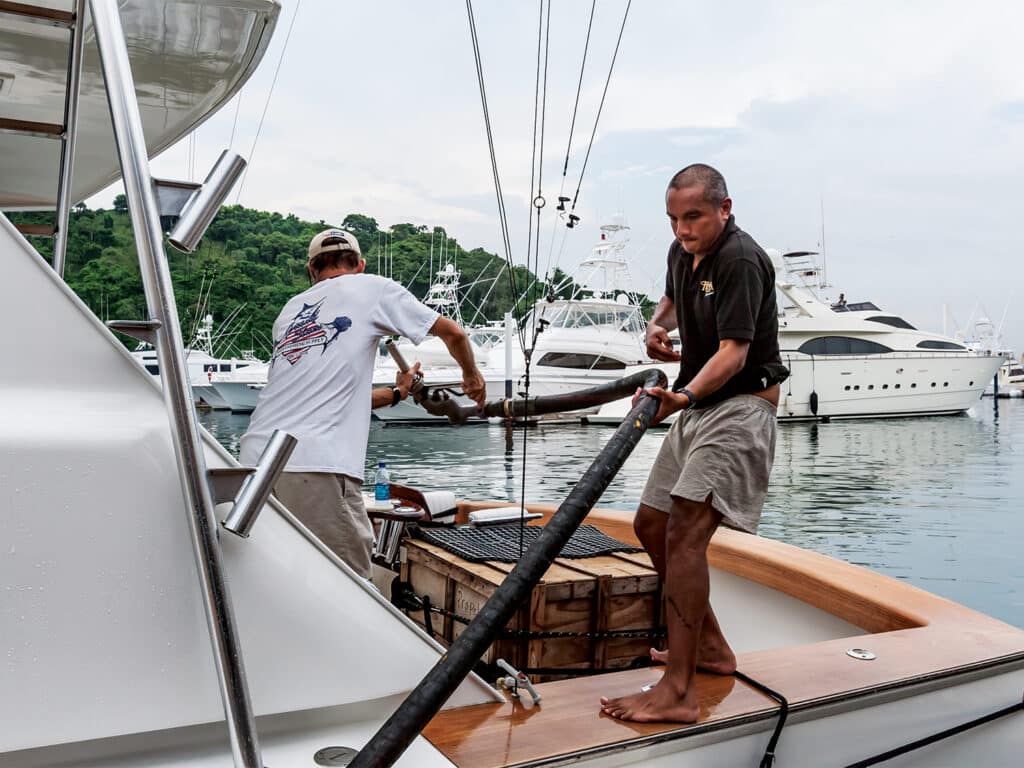
We haven’t even started fishing yet, and we’re already into a significant initial outlay—and we still haven’t scratched the surface of ongoing expenses. One of the biggest questions we hear is: How much did we spend on fuel this year?
That’s a loaded question. The variables are enormous: the boat itself, engine type, efficiency, how often you fish, how aggressively the captain runs the boat, sea conditions and more. But for conversation purposes, let’s try to put fuel costs for a competitive tournament program into perspective.
As a rough starting point, a tournament boat can burn around 150 gallons per hour, depending on speed and conditions. (Yes, it varies widely.) If you’re an East Coast boat fishing the Florida sailfish circuit, it’s not unusual to have approximately:
- 40 competitive fishing days
- 10 scouting days
- 25 “fun fishing” days
In Florida, that can easily translate to around 400 gallons per day. Using $4.50 per gallon, a Florida-based program could reasonably expect to spend around $100,000 per year on fuel alone.
From there, many teams head to the Bahamas or begin working their way north, stopping along the way to fish additional tournaments. For those fishing the mid-Atlantic, runs are typically longer and fuel prices higher. A six-hour run day—three hours out, three hours back—with fishing in between can burn 1,000 gallons or more. At those prices, a single day can cost $4,250 in fuel alone. Fish 30 days and you’re looking at $127,500 annually, not including the fuel burned relocating the boat from Florida or the Bahamas.
Swap Florida sailfish season for the Pacific—places like Quepos or Los Sueños—and annual fuel costs in those regions can easily approach $125,000, before factoring in the cost of shipping the boat (a conversation for another day).
All of this is subjective, but when you step back and look at the full program, an annual fuel budget of $250,000 is not unreasonable for a competitive operation.
From a wealth-management perspective, fuel is a perfect example of why cash-flow planning matters. It’s not a one-time expense—it’s recurring, unpredictable, and tied directly to how hard you choose to fish.

Gear
Now let’s talk about gear. Many years ago, I can remember having 125 rods and reels on the boat at one time, ranging from spinners to 80-pound outfits and everything in between. Fast-forward to today, and the cost of outfitting a competitive program has escalated dramatically.
Take electric reels as an example. The LP SV-2400 now runs about $8,750 each, and many boats carry four. That’s $35,000, and these are essential for kite-fishing and pulling dredges. Add two teaser reels—Miya Epoch Super US-9 HDs at roughly $4,000 apiece—and you’re another $8,000 in. Before you’ve even picked up a conventional rod and reel, you’re already staring at $43,000 in electric reels alone.
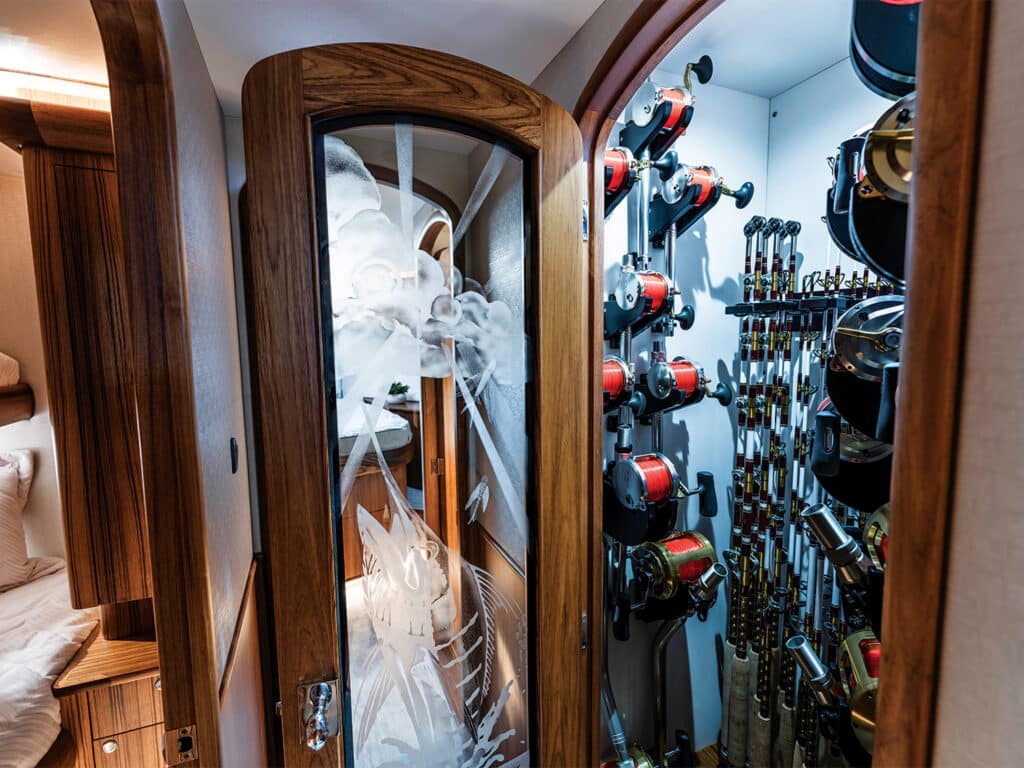
We could go on forever, but for conversation purposes, let’s focus on basic rod-and-reel setups (see Fig. 1).
Even with a conservative approach, you can easily justify allocating at least $100,000 for rods and reels. From there, add another $25,000 for the supporting cast: hooks, swivels, leader material, line, pliers, crimpers, lures, headsets, and all the other gear that quietly adds up over time.
Yes, some programs will spend double—or more—but for a competitive operation, this is a realistic starting point.
From a family-office perspective, gear is often underestimated because it’s purchased in pieces. In reality, it’s a meaningful capital investment that requires budgeting, replacement planning and discipline, just like any other asset tied to the program.
A Tournament Day: What It Really Costs
Now let’s look at what a typical tournament day looks like from an expense standpoint.
As we’ve discussed, costs vary significantly depending on where you fish, but most competitive programs add extra crew during tournaments. In today’s world, nearly every serious boat carries a sonar specialist—someone dedicated to working the sonar while the captain focuses on baits, conditions, and coordinating with other captains. A good sonar guy commands about $500 per day.
Many teams also run two tower guys, posted all day watching the dredges and teasers, and scanning the ocean for signs of life. A competitive boat will often add a second mate as well, helping the primary mate with rigging, bait prep and cockpit management. These mates are typically full-time professionals whose home boat might not be fishing that particular event, and they generally earn around $250 per day.
Some boats also bring on a third mate, often someone looking to gain experience and time on the water. They handle a mix of fishing-related tasks and general support work, and usually earn about $100 per day.
All in, $1,000 per day for additional crew is a reasonable expectation for a tournament day.
Fuel
As discussed earlier, $4,000 per day in fuel would not be a shock. Actual burn depends on location, run length, speed, weather and fuel pricing, but it’s a realistic number for competitive fishing days.
Bait
You need bait—and plenty of it. It’s not uncommon to have 10 dozen ballyhoo ready to go at $15 per dozen. Add dredge baits, where a double dredge can easily go through 100 mullet, and you’re looking at another $500. Bait costs can add up quickly.
Food
Everyone needs to eat. I’ve been on boats where meals rival a Michelin-rated restaurant, and I’ve also warmed pasta on the manifolds. It’s entirely a boat preference. Feeding the crew and guests for the day typically runs around $500.
Lodging (Away From Home Port)
Lodging costs vary widely based on location, headcount and expectations. Some guests and crew stay on the boat, while others stay in hotels, condos or rentals. One owner once told me that lodging often runs about half the total tournament cost, excluding calcuttas.
Calcuttas and Entry Fees
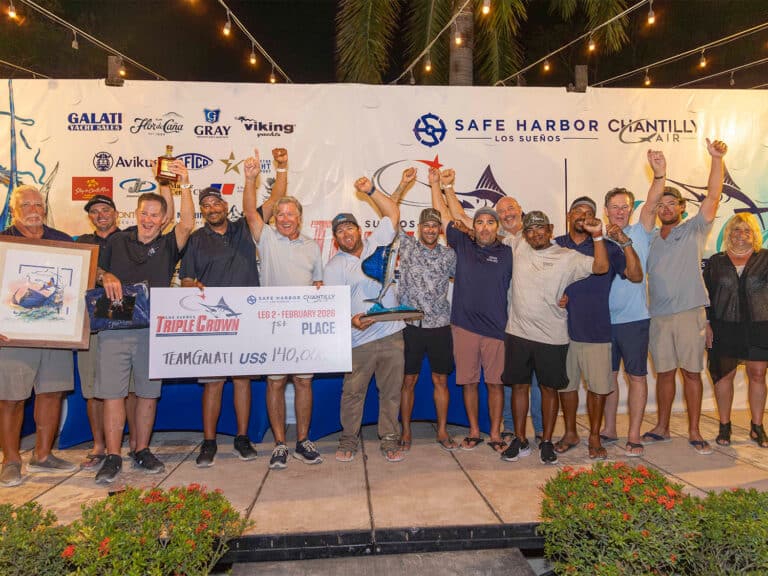
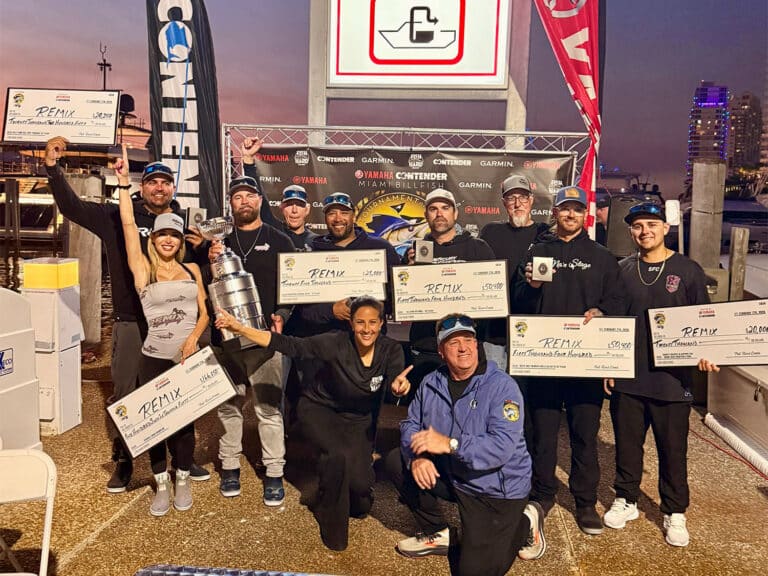
This is where tournament fishing gets serious. Entry fees themselves are usually reasonable, anywhere from $2,500 to $10,000, depending on the event. The real expense is the calcuttas.
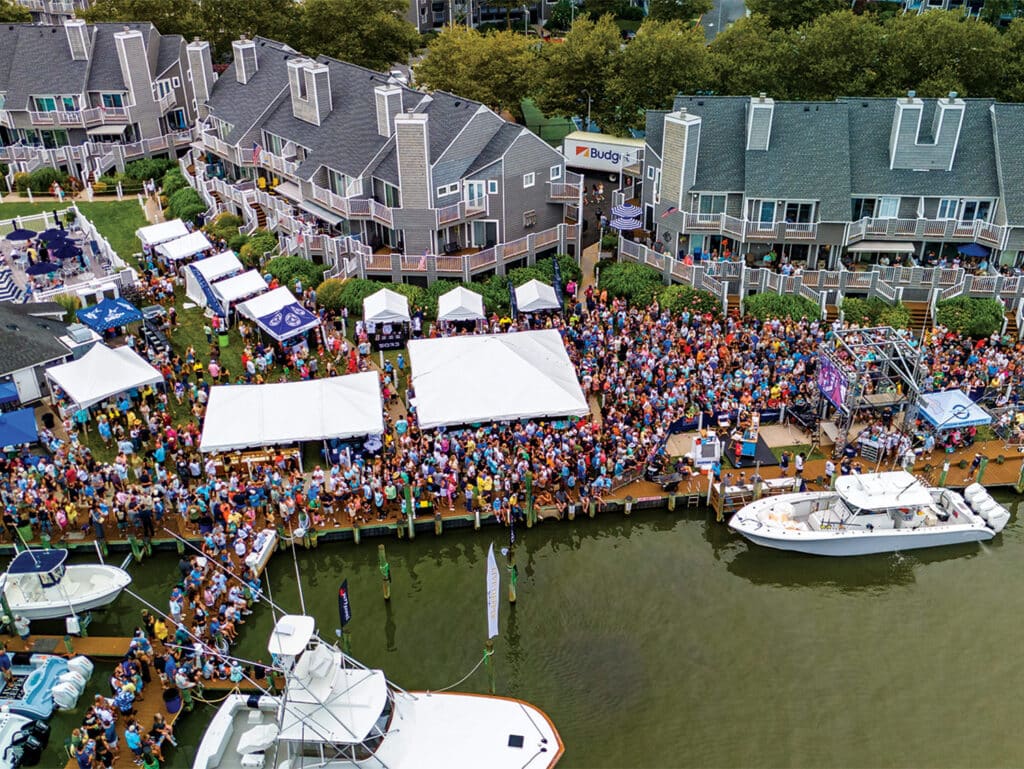
One of the most expensive examples is the White Marlin Open in Ocean City, Maryland, where being “all-in” can approach $100,000. That’s a significant wager—but the winning boat has taken home around $4 million, which is a pretty compelling return.
That said, don’t let those numbers discourage you. There are plenty of excellent tournaments where you can spend a fraction of that and still have a great experience—and a legitimate shot at winning.
Closing Thoughts
By now, it should be clear that owning a competitive sport-fishing program is far more than buying a boat and heading offshore. From the initial acquisition and insurance to crew, fuel, gear and tournament expenses, every decision carries both a financial and operational impact.
This is why we always frame these programs like a business within a family office. Every line item—from captain salaries to bait budgets—needs careful planning, ongoing monitoring and thoughtful capital allocation. Without that discipline, even a multimillion-dollar asset can become a drain rather than an investment in lifestyle and enjoyment.
In my line of work at Barclay Breland, we work with clients to manage these operations in a way that balances passion with prudence. That means structuring ownership and expenses to be tax-efficient, limiting unnecessary risk exposure, and ensuring cash flow is never stretched too thin.
Owning a competitive sport-fishing team is an incredible experience, but it comes with a responsibility: You’re not just buying a boat; you’re running a small enterprise. Approach it with the right planning, the right people and the right mindset, and it can deliver unparalleled enjoyment for years to come.