
Subscribe to Marlin magazine and get a year of highly collectible, keepsake editions – plus access to the digital edition and archives. Sign up for the free Marlin email newsletter.
I woke up this morning to a flurry of emails, text messages and social media posts about something President Donald Trump had apparently just done for recreational anglers. Wait. What?
After weeks of Iran updates, geopolitical turmoil and the usual drumbeat suggesting the world may or may not be ending, seeing saltwater fishing suddenly occupy a piece of the national conversation was a welcome change. More importantly, it caught my attention. Better recreational fishing data. More involvement from the states. Artificial reefs. Shark depredation. Charter permits. Angler access. Changes to the way recreational fisheries are considered in federal management.
After reading through the actual order and reports from the Center for Sportfishing Policy, American Sportfishing Association and Congressional Sportsmen’s Foundation, then calling my former colleague Dr. Bruce Pohlot, who leads conservation efforts at the International Game Fish Association, the answer became much clearer. This did not come out of nowhere.
On Sept. 17, Trump signed an executive order titled “Restoring American Saltwater Angling and Recreation.” Importantly, this is not a new law passed by Congress. It does not rewrite the Magnuson-Stevens Act or immediately change your local fishing season or bag limit. Instead, it establishes recreational fishing as a federal policy priority and directs agencies including NOAA, Commerce and Interior to address a long list of issues, many on specific 30-, 60-, 90- or 180-day timelines.
And while talking with Pohlot, I started having flashbacks to Orlando in July. I had sat in on a panel at ICAST where NOAA officials discussed the administration’s recreational-fishing priorities, and suddenly much of this sounded familiar. Better data. Greater cooperation between federal and state managers. More dependable access and opportunity. Modernizing the way recreational fisheries are managed. Even shark depredation, which NOAA was already moving to address with a new strategy committee announced during ICAST week. NOAA had also been publicly advancing its Recreational Angler Partnership Improvement Directive, or RAPID, to overhaul the state-federal recreational data system.
Years of Work, Now With Deadlines
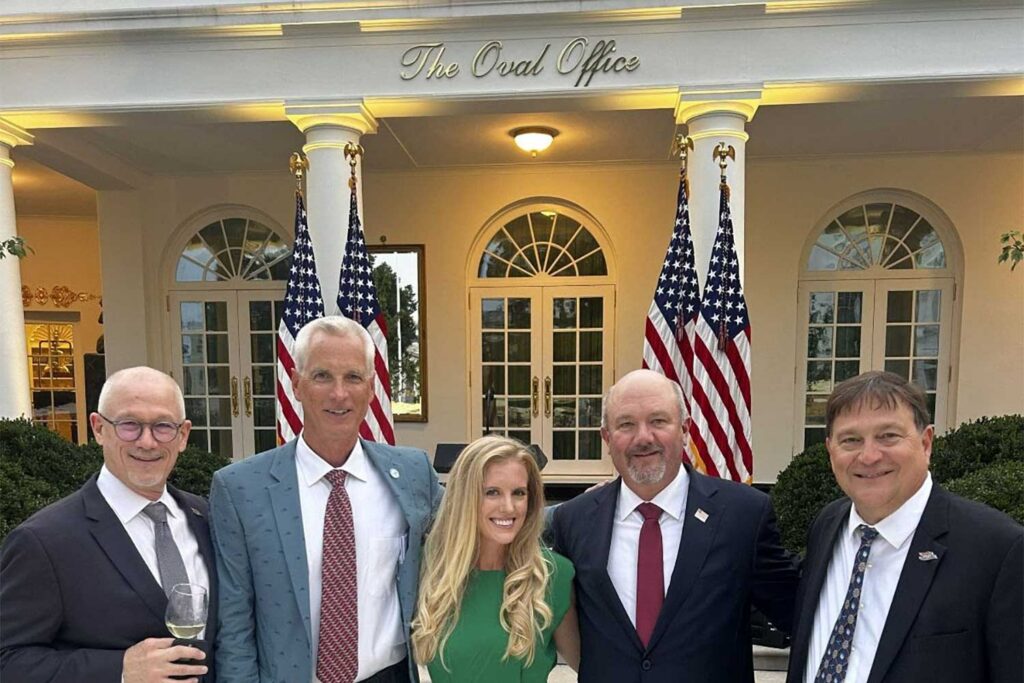
That became the central point of my conversation with Pohlot. Trump’s order does not invent most of these issues. Rather, it brings attention, urgency and White House-level direction to a collection of priorities recreational anglers and fishing organizations have been advocating for for years.
“Basically, what Trump’s executive order did was say we are no longer just talking about these things,” Pohlot told me as we wrapped up our call. “Now there’s a timeline to address these important issues.”
The recreational fishing community has long argued that managing millions of individual anglers requires different tools than managing commercial fisheries. Those arguments helped produce the bipartisan Modernizing Recreational Fisheries Management Act of 2018, better known as the Modern Fish Act, which formally recognized differences between recreational and commercial fisheries and addressed alternative management approaches, allocations and recreational data collection.
The Center for Sportfishing Policy has been among the organizations leading that effort for years. CSP helped organize the recreational fishing and boating coalition behind the Modern Fish Act and has continued pushing for better federal fisheries data, greater state involvement, modern management approaches and improved public access. Those same themes now appear throughout Trump’s order.
“This Executive Order is a historic recognition of what millions of American anglers and coastal communities have known for decades: marine recreational fishing deserves a management system built for the way Americans fish,” CSP President Jeff Angers said after the announcement. “By prioritizing better data, stronger state partnerships and modern management approaches, President Trump’s order builds on our conservation gains creating a path to more reliable access and opportunity in America’s oceans.”
The Congressional Sportsmen’s Foundation has likewise worked on these issues for years, including alongside CSP and other organizations during the Modern Fish Act effort. “America’s anglers were among the nation’s first and most dedicated conservationists, and this Executive Order recognizes that commitment while charting a path towards increased access to healthy fisheries,” CSF President and CEO Jeff Crane said Thursday.
American Sportfishing Association President and CEO Glenn Hughes focused on another recurring theme: “The American Sportfishing Association thanks President Trump for this decisive action to improve management and data collection for America’s saltwater fisheries. This Executive Order will have long-term benefits for the sportfishing industry and America’s 15.5 million saltwater recreational anglers.”
What Does It Actually Do?
For anglers, perhaps the most consequential section involves data. NOAA relies on surveys, dockside interviews, state programs and statistical models to estimate recreational effort and harvest. Those numbers can ultimately affect quotas, seasons and other regulations, and the accuracy of federal recreational estimates has been a source of debate for years.
The order tells NOAA to evaluate traditional mail surveys, expand electronic and mobile reporting, incorporate more real-time information and improve the use of state-generated data. It also directs NOAA to consider allowing more precise state data to replace federal MRIP estimates when federal estimates exceed a defined level of statistical uncertainty.
Once again, however, the work had already begun. NOAA’s RAPID initiative is specifically intended to transition MRIP toward a new recreational data system co-designed with states and other partners, with workshops beginning in the second half of 2026. The executive order now adds another level of direction and urgency to that process.
It goes well beyond data. Commerce must review portions of the Magnuson-Stevens National Standards dealing with optimum yield and the best scientific information available, with recreational fisheries and state information specifically in mind. The order calls for better economic data on recreational fishing, longer-term permits for qualifying operators, a simplified federal permitting system and faster pathways for turning eligible offshore structures into artificial reefs.
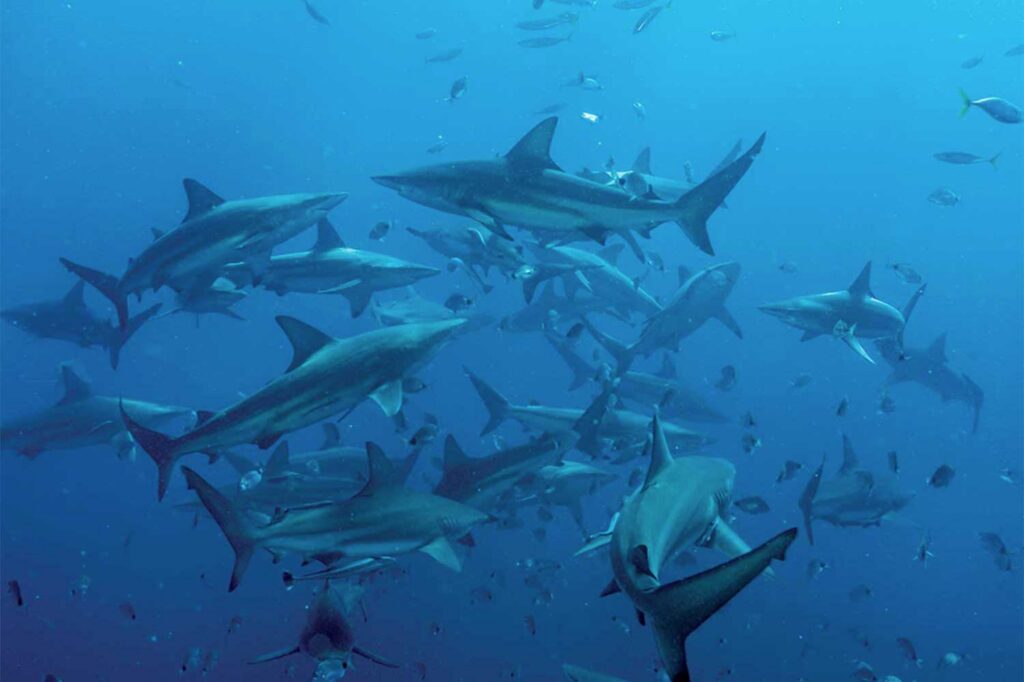
It also creates an interagency effort addressing shark and pinniped depredation and calls for real-time reporting of depredation events. Anyone who has reeled in half a tuna – or worse, lost a tournament-winning marlin to a shark – probably understands that last one without further explanation.
Now Comes the Hard Part
Now, none of this means anglers wake up tomorrow with longer seasons or higher bag limits. The order repeatedly uses words such as “review,” “evaluate” and “consider,” and the agencies still must operate within existing law, rulemaking requirements and available funding. Implementation will determine how significant this eventually becomes.
But after speaking with Pohlot, thinking back to that ICAST panel and looking at the history behind these issues, I no longer wonder how I somehow missed a massive new recreational-fishing initiative.
The truth is, the fishing community has been talking about better data, stronger state-federal partnerships, modern recreational management, access, depredation and many of these other issues for years. CSP, CSF, ASA, IGFA, TBF and many more acronyms have spent plenty of time pushing them in Washington, while NOAA had already begun addressing several of them.
On Thursday evening, the president collected many of those long-running priorities in one place, elevated them to the federal level and, in several important cases, put crosshairs on them.
As Pohlot put it, we are no longer simply talking about them. Now the clock is running.