Subscribe to Marlin magazine and get a year of highly collectible, keepsake editions – plus access to the digital edition and archives. Sign up for the free Marlin email newsletter.
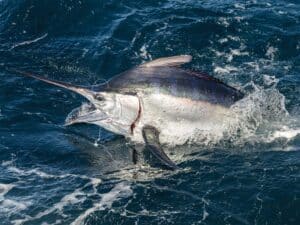
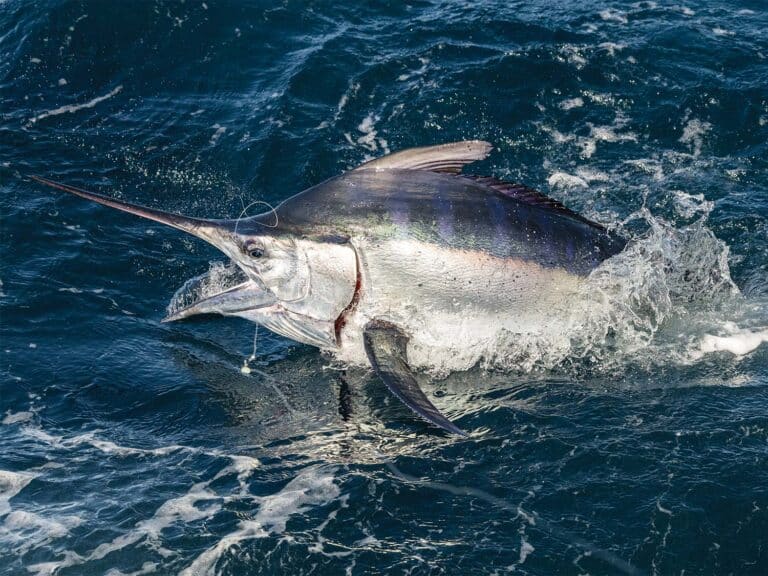
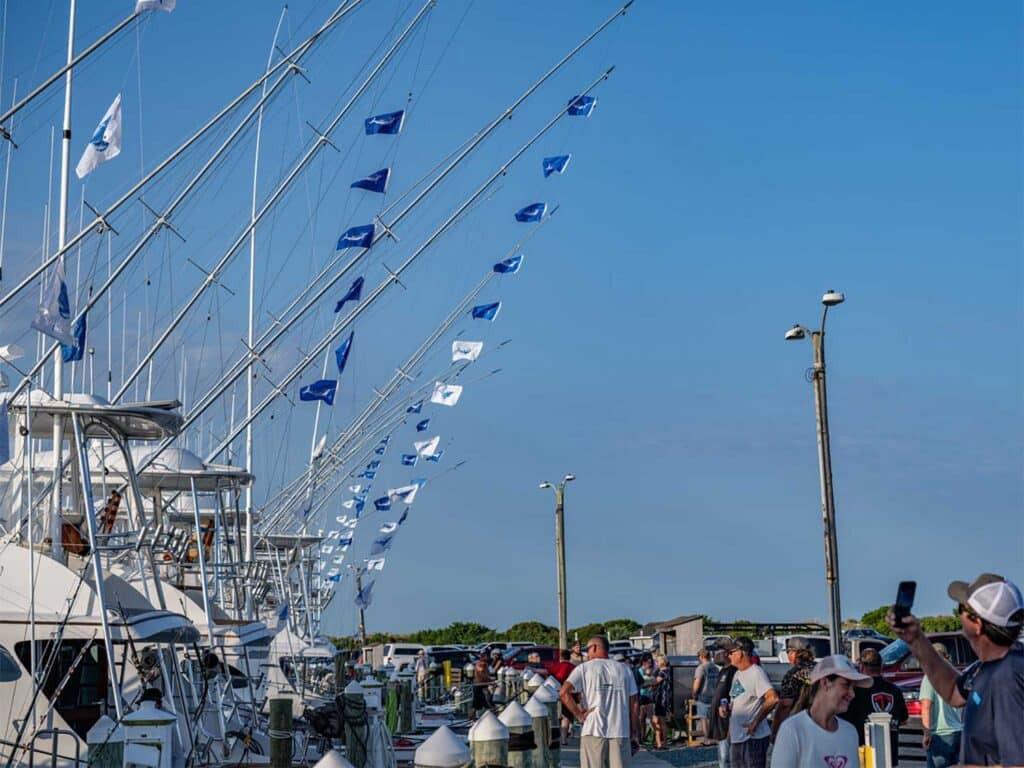
It’s called “locals’ summer” around here for a reason. By September, schools are back in session, family vacations begin to slow, and the crowds that remain tend to arrive with a different agenda. Surfboards replace beach chairs, fishing gear rides in rod holders mounted to the front of four-wheel-drive vehicles, and offshore crews continue their runs through Oregon Inlet long after the height of summer has passed. This September gave them plenty of reason to keep going. For weeks, boats fishing northeast of Oregon Inlet found exceptional billfish action, with white marlin and the occasional blue mixed into a bite increasingly defined by an unusual number of sailfish.
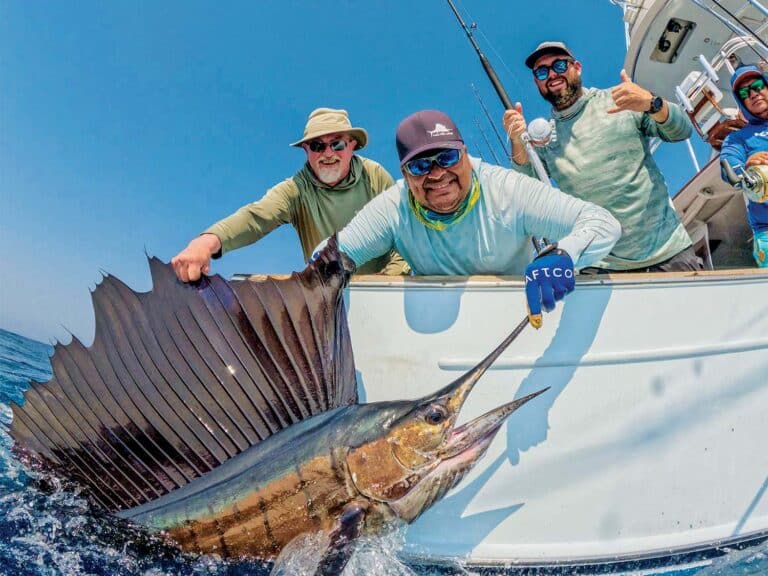
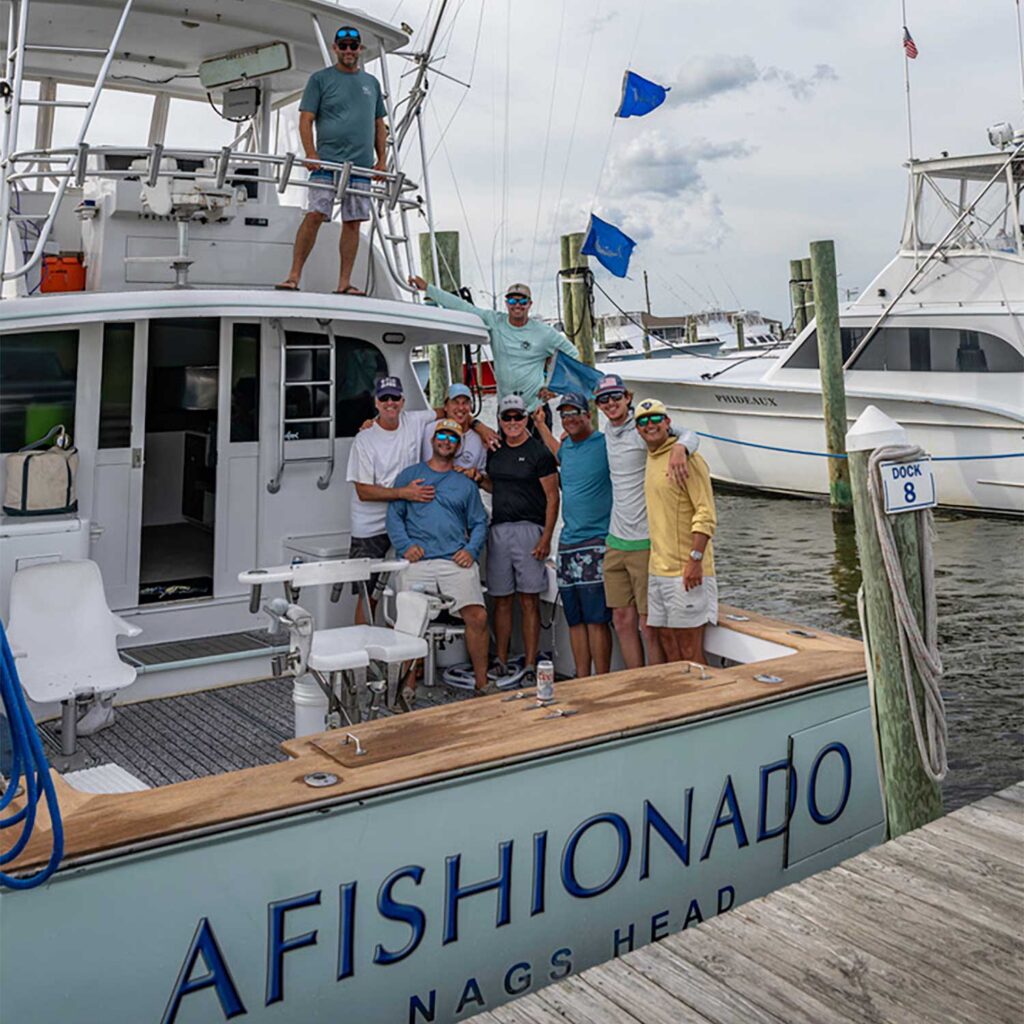
Capt. Chris Gornell, who runs the 58-foot Buddy Harris Fin Planner out of Oregon Inlet Fishing Center, said the sheer number of sails separated this September from recent seasons. Capt. Jack Graham saw the same pattern aboard the 50-foot Billy Holton custom Afishionado. White marlin remained a normal part of the late-summer fishery, Graham said, but the number of sailfish and how long they stayed made this season different. In recent years, he had watched sails push north through Charleston and Morehead City without consistently reaching Oregon Inlet in significant numbers. This year, they came north and stayed. Graham called it perhaps the most consistent billfish bite the area has seen in a decade, with strong action stretching from July through the end of September.
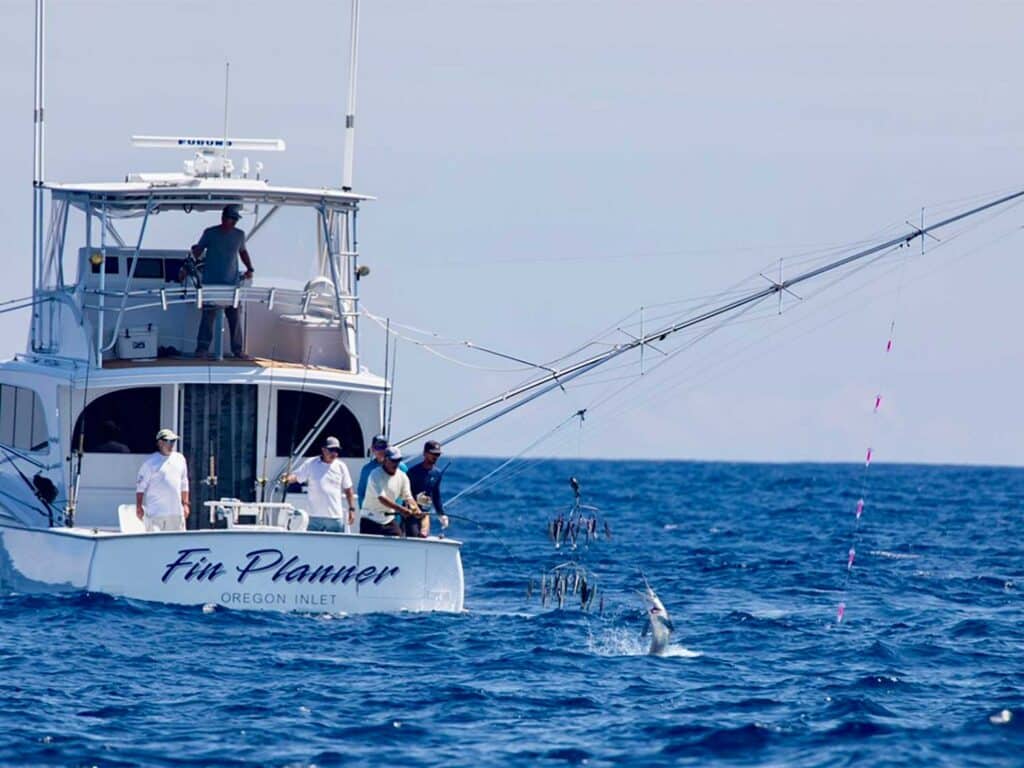
Both captains credited a combination of stable conditions and abundant bait. Gornell believes the relatively quiet tropical weather played a major role. The 2026 Atlantic hurricane season developed under a strengthening El Niño, which increased upper-level wind shear across the basin and helped suppress tropical development. Without repeated storms disrupting the offshore water, favorable conditions persisted through much of late summer. Graham had noticed another important piece of the puzzle months earlier. While tuna fishing in May, his crew consistently marked large concentrations of bait northeast of Oregon Inlet. The tuna eventually moved on, but much of the forage appeared to remain. Graham figured that if billfish found that bait, the fishing could become exceptional.
His prediction began proving true early. Graham’s crew encountered strong billfish numbers as early as May, including a day with six white marlin and two blues, an unusual showing for that time of year. The bait included sardines, small mackerel and plenty of squid. Graham said some sailfish came to the boat coughing up squid, while others were seen finning or tailing near the surface, possibly warming up after feeding deep. The productive water was surprisingly close, too. Gornell described much of it as clean green water influenced by the Gulf Stream but without especially strong current. Graham characterized some areas as blended blue water where the clean green water met warmer offshore water. Both agreed that much of the action occurred inside the 100-fathom curve, with the sweet spot generally between 30 and 60 fathoms.
Another defining characteristic of the bite was that one sailfish often meant more were nearby. Both captains described free-jumping fish leading them to groups of sails. A jumper that might have represented a single fish in another season often revealed another 10 or 15 fish nearby. When those groups began feeding, the numbers climbed quickly. At the peak of the bite, Gornell said 15 to 20 sailfish bites in a day were possible. He enjoyed several double-digit days, including one with 16 sails and a blue marlin. Near the end of September, he capped the run with one of his best sailfish days, producing 32 bites and 19 releases.
As word spread and fishing pressure increased, crews adjusted their tactics. Gornell scaled down his presentation as sailfish became the dominant target, pulling smaller teasers and naked ballyhoo on 7/0 circle hooks for a subtler profile. Graham also used 7/0 circle hooks but continued fishing two dredges and two teasers, sometimes keeping a larger mackerel teaser in the spread with blue marlin still around. He experimented with light and dark combinations and wasn’t afraid to create more commotion with spreader bars when fish became reluctant to bite. Some days, crews could see groups of sailfish on sonar without immediately drawing strikes. Graham would move baits farther back, change his presentation angle or use sonar to sweep the spread across marked fish rather than simply driving over them. Once a sailfish was hooked, crews often circled and continued working the area, knowing others were likely nearby.
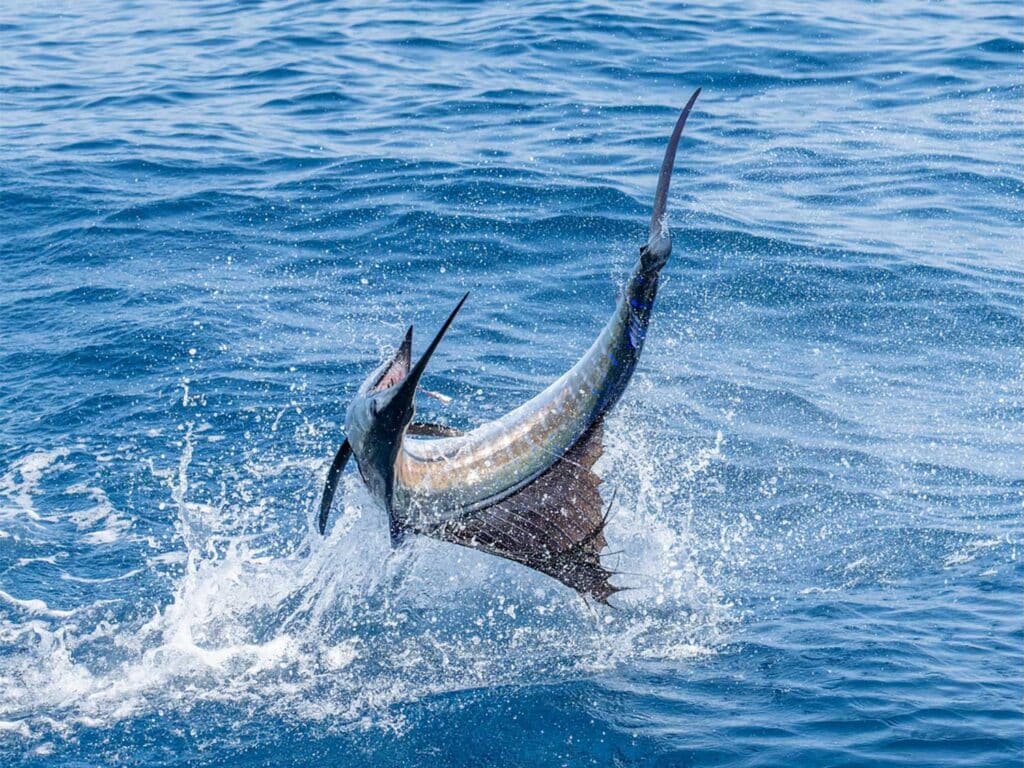
For much of the summer, the pattern remained remarkably consistent. Then the weather changed. A series of northeast fronts began reshuffling the offshore picture, prompting Gornell to offer a simple explanation: “Sailfish move with the fronts.” Graham agreed but noted that northeast winds aren’t necessarily bad for billfishing. They can concentrate favorable water conditions and funnel southbound white marlin toward Oregon Inlet. This year’s sailfish, however, followed a different track. After pushing unusually far north, repeated northeast blows sent them back down the coast. Gornell watched the productive zone shift first toward Morehead City and eventually farther south toward Charleston.
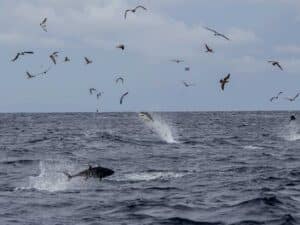
That doesn’t mean every billfish has disappeared. Graham wouldn’t rule out another short white marlin window if favorable water returns, but the seasonal focus is clearly changing for charter boats running out of Oregon Inlet. Blackfin and yellowfin tuna are already showing, and Graham said the early appearance of yellowfins has crews particularly optimistic after several relatively quiet fall seasons. The spread changes with the target. Dredges come out, circle hooks give way to J-hooks, and the cockpit shifts from raising billfish to putting more tuna baits in the water.
The seasonal transition only makes the end of summer look more remarkable. September belonged to the sails. October is turning toward tuna.