Subscribe to Marlin magazine and get a year of highly collectible, keepsake editions – plus access to the digital edition and archives. Sign up for the free Marlin email newsletter.
Kailua-Kona, on the Big Island of Hawaii, is rightly considered the Pacific blue marlin capital of the world. Anglers consider it a true miracle—one of the few places where these apex predators roam close to shore, are available year-round, and regularly reach incredible sizes. Remarkably, a “grander” marlin has been landed here in every month of the year.
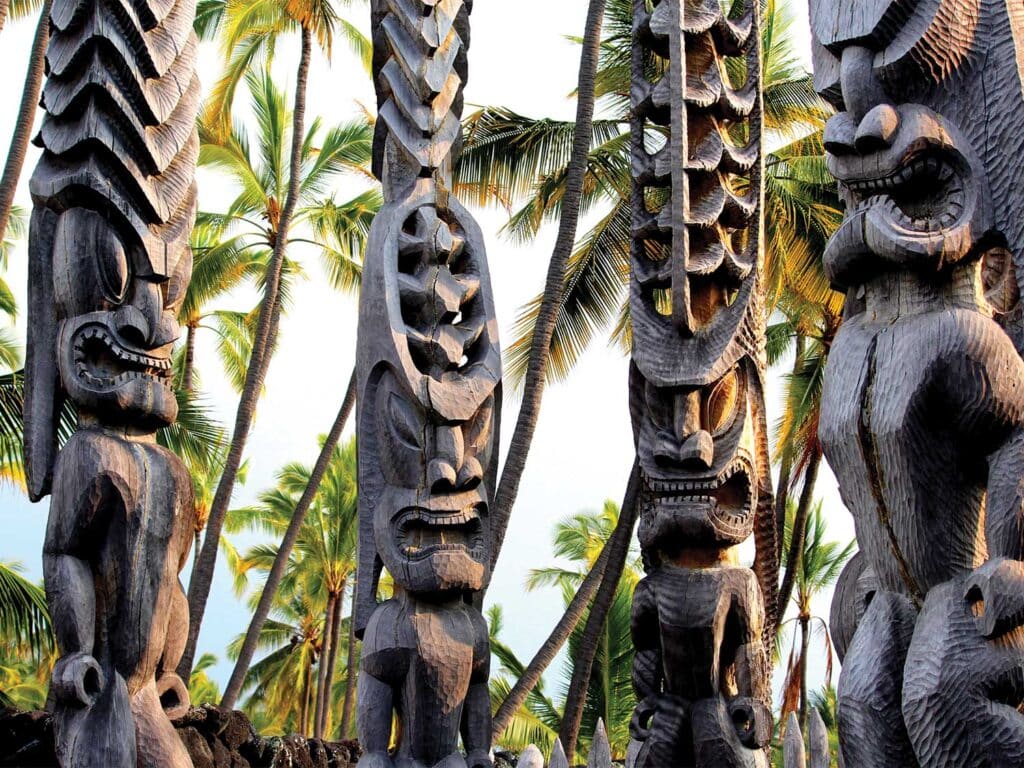
Beyond its legendary fishing, Kailua-Kona is a charming seaside village, often described with a wink as “a quiet little drinking town with a fishing problem.” Once the royal retreat of Hawaiian kings, it has been a place to catch giants for more than a thousand years.
The Fishery
Fishing in Kona means setting your lines five minutes from the harbor entrance in at least 200 fathoms of water. The whole island is a great volcanic fang, springing straight up from the ocean floor and attracting every possible pelagic species. It’s like an oasis in the desert. Here, the giant ocean predators gather to spawn, rest, and do great damage to your fishing tackle.
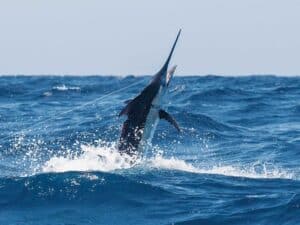
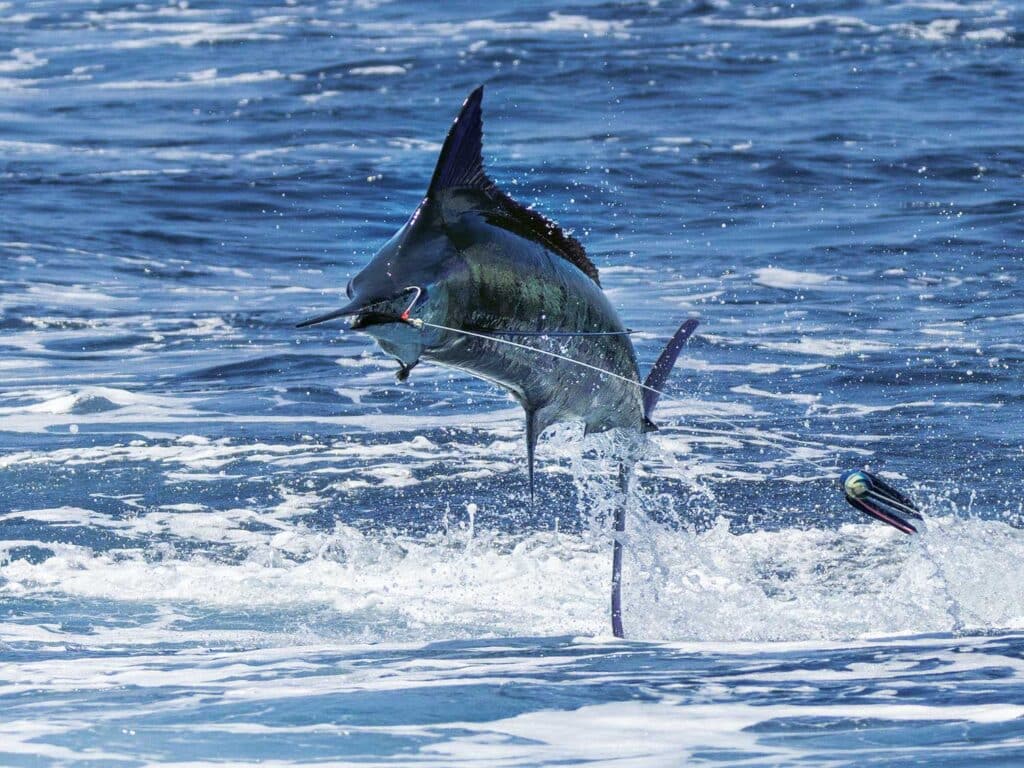
There’s no question that the big star of the Kona fishing show is, and always has been, the Pacific blue marlin—arguably the most legendary fish in all of sport fishing. Kona has produced more world records and grander blue marlin than anywhere on Earth, including the IGFA all-tackle world record: a 1,376-pound fish caught off Kaiwi Point in 1982.
The elegant and beautiful striped marlin is commonly encountered in the waters off Kona, primarily in the winter season, where they can attack in gangs and provide anglers with multiple hookups. And although they are not encountered nearly as often as the blues, black marlin also can be found in Kona’s nearshore waters, crushing live baits just beyond the thundering lava cliffs.
One of sport fishing’s rarities is the shortbill spearfish. These gleaming chrome lightning bolts flash through your spread, slicing crescents through the sapphire-blue surface at the back of your pattern. Kona is one of the few places on Earth where this prize catch can be found all year long, though more so in the winter.
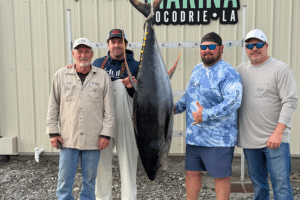
When it comes to other pelagic species, Kona is hard to beat for both quality and quantity. Mahimahi here grow big and fight harder than anywhere, with 50-pound catches occurring regularly. Wahoo—known locally as ono—are abundant just offshore, especially in summer, delivering blistering runs and excellent table fare. Add in year-round yellowfin tuna, from footballs to hefty 200-plus pound ahi, and Kona offers a lineup of gamefish that keeps rods bent and coolers full.
Kona also boasts a rich history of tournament fishing. The Hawaiian International Billfish Tournament (HIBT), founded in 1959 by Peter Fithian, was the first major showcase that put Kona’s blue marlin fishery on the global map and laid the groundwork for modern billfish tournaments.
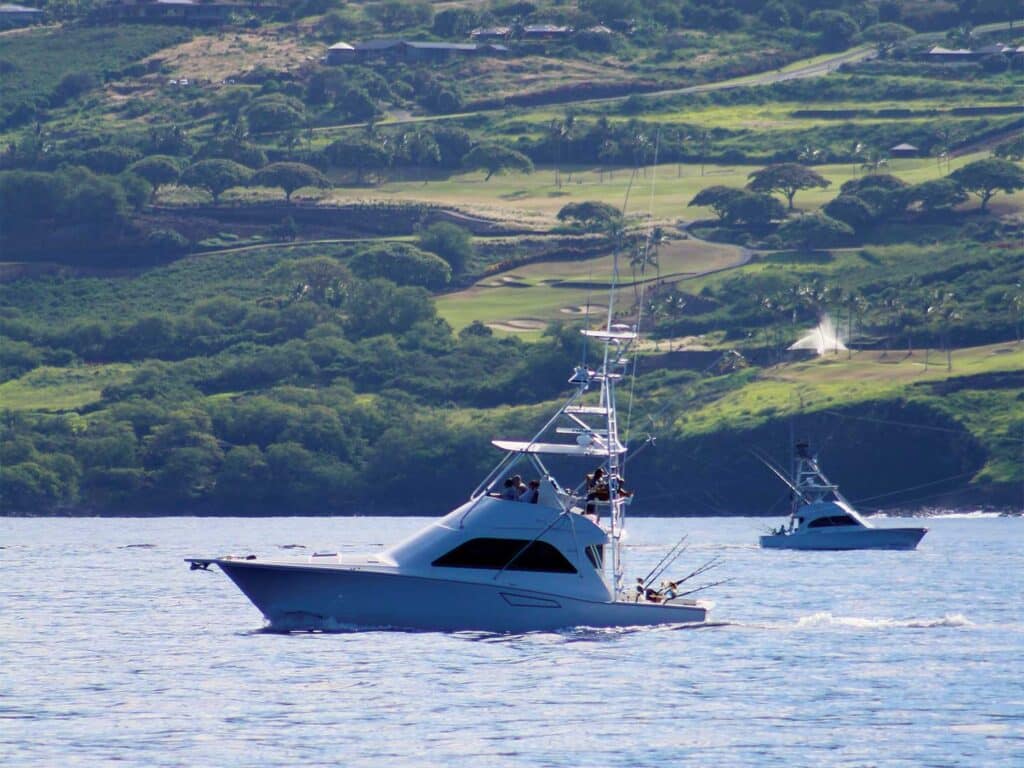
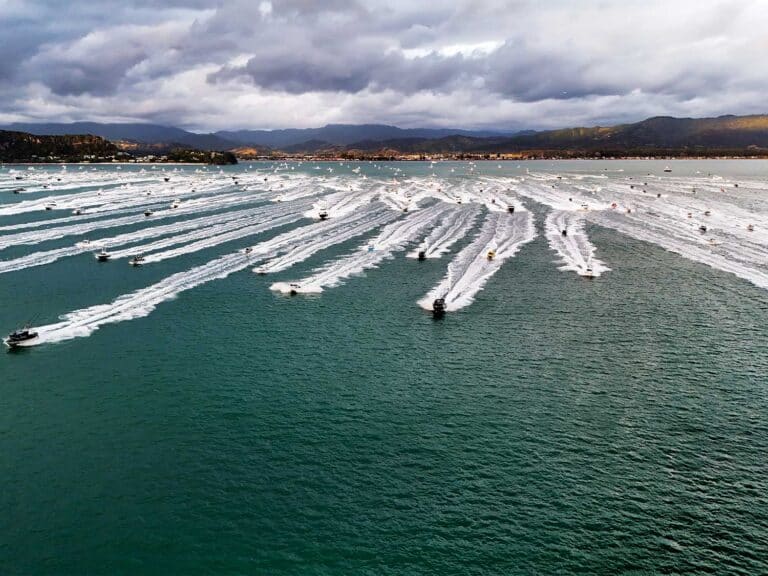
Today, the Hawaii Marlin Tournament Series (HMTS) carries that torch. It spans eight tournaments between March and September each year, mostly in the high season. Points are tallied across events, pitting the top Kona crews against each other for fleet prestige and big payouts.
Marinas
Honokohau Small Boat Harbor, lightly developed for essential services, is a 10-minute drive from Kona hotels and condos. A taxi can drop you at your charter, or you may leave your rental car for the day without parking charges. A secondary location is Keauhou Bay, 20 minutes south of Kailua-Kona, with limited charter activities but a thriving tour-boat area for the Captain Cook Monument in Kealakekua Bay.
Charters
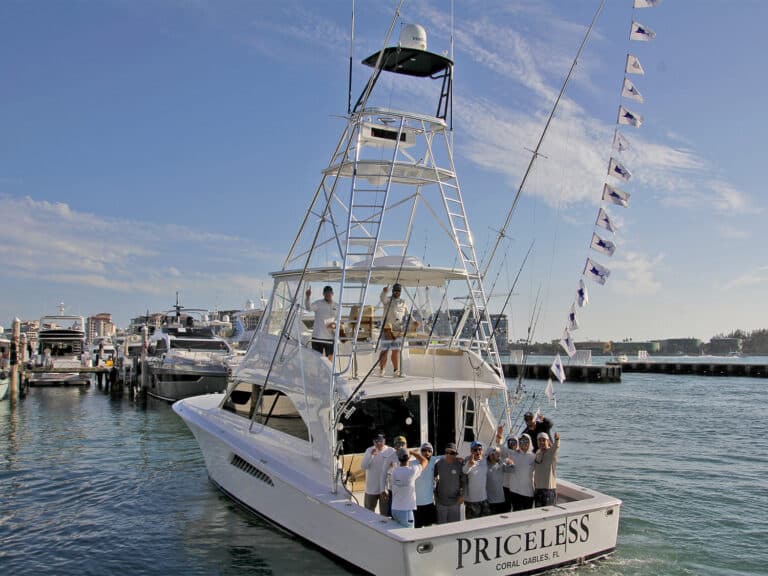
There is a wide variety of charter boats to choose from, and almost all are based out of the Honokohau Small Boat Harbor. Charter prices range from $1,800 per full day to under $1,000, depending on the luxury of the craft, the reputation of the captain, and whether the vessel has been equipped with a side-scan (omni) sonar system. Note that anglers will need a Hawaii fishing license, which they can procure online prior to their trip.
History and Tradition
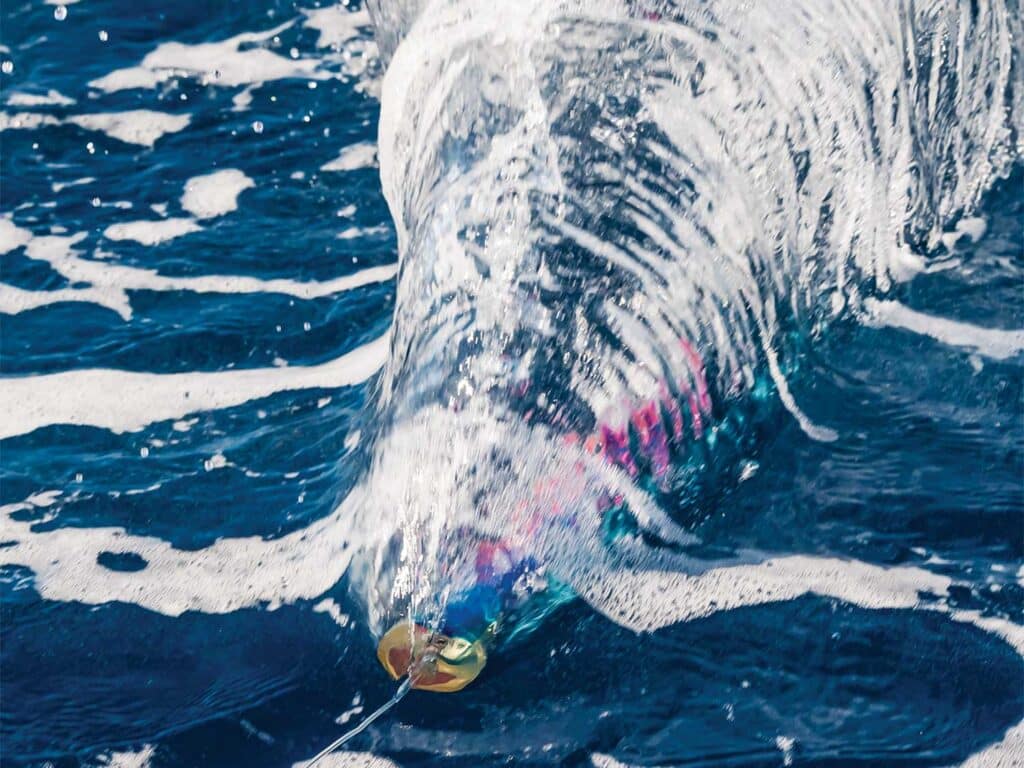
In Hawaii, lure-making is more than tackle—it’s tradition. The modern trolling lures that dominate big-game fishing today trace their roots to Kona, where pioneers like Capt. George Parker and Capt. Henry Chee transformed scrap metal and resin into revolutionary designs that fooled giants, including Hawaii’s first grander in 1954.
That legacy lives on through craftsmen such as Koya, Marlin Magic, Aloha, Niiyama and Tsutomu, whose hand-poured heads, shell inlays and meticulous attention to detail embody both artistry and function. In Kona, fishing is lure fishing—an enduring culture where every head carries history, and every strike continues the story.
More Than Fishing
Hawaii is all about tourists, and the Big Island just happens to have an active volcano going off much of the time. The food quality compares to, and perhaps eclipses, that of any other state in the nation, combining the best of Pacific basin cuisine with amazingly fresh farm products, seafood, and prime beef, pork and lamb. The only complaint you are likely to hear is, “My belt is too tight.”
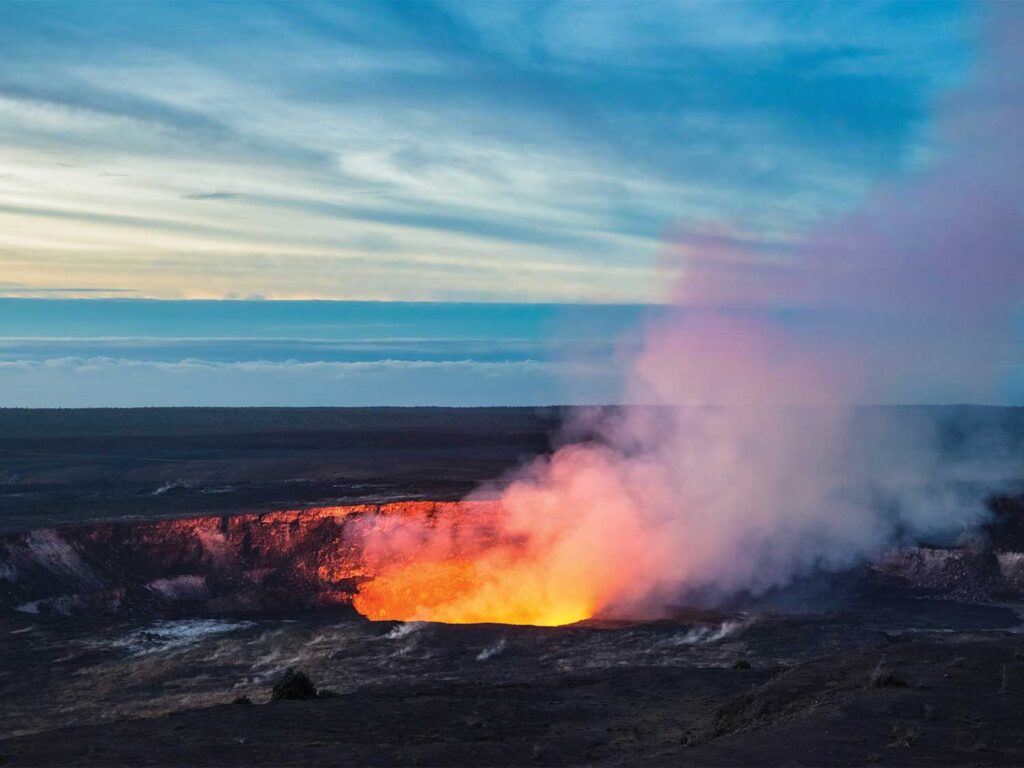
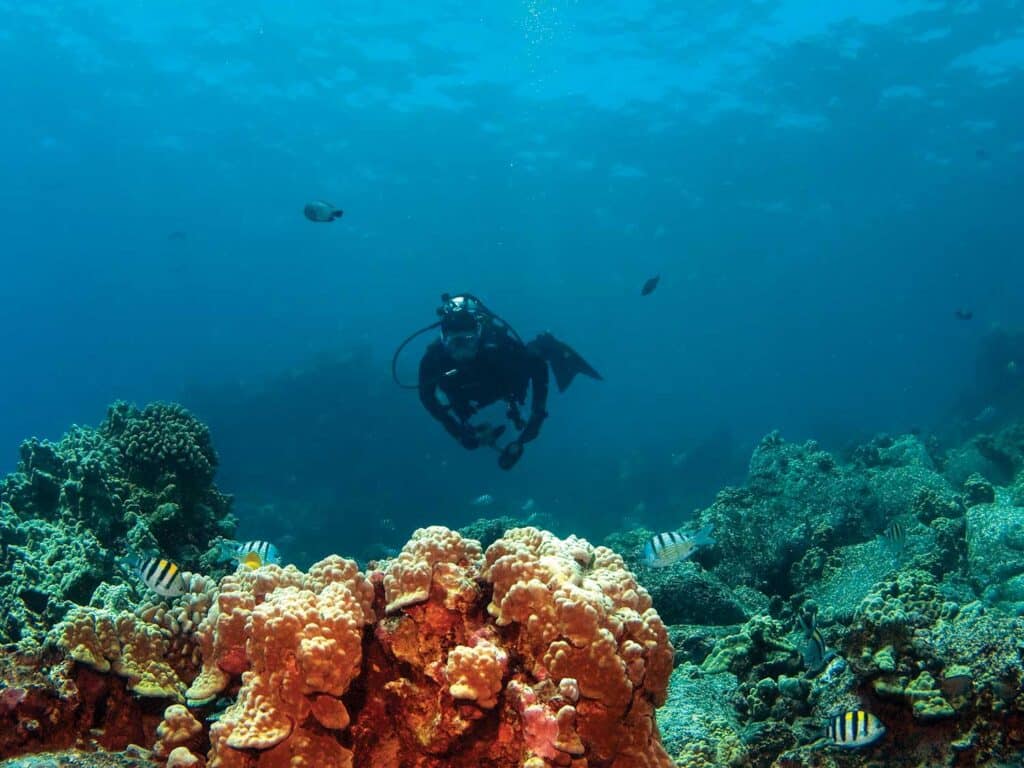
Beyond the table and the tackle, Kailua-Kona offers an endless array of adventures for visiting anglers and their families. Snorkeling and diving among vibrant reefs, freediving and spearfishing in crystal-clear water, or hiking across stark lava fields and lush rainforest valleys are all part of the Kona experience.
Lodging
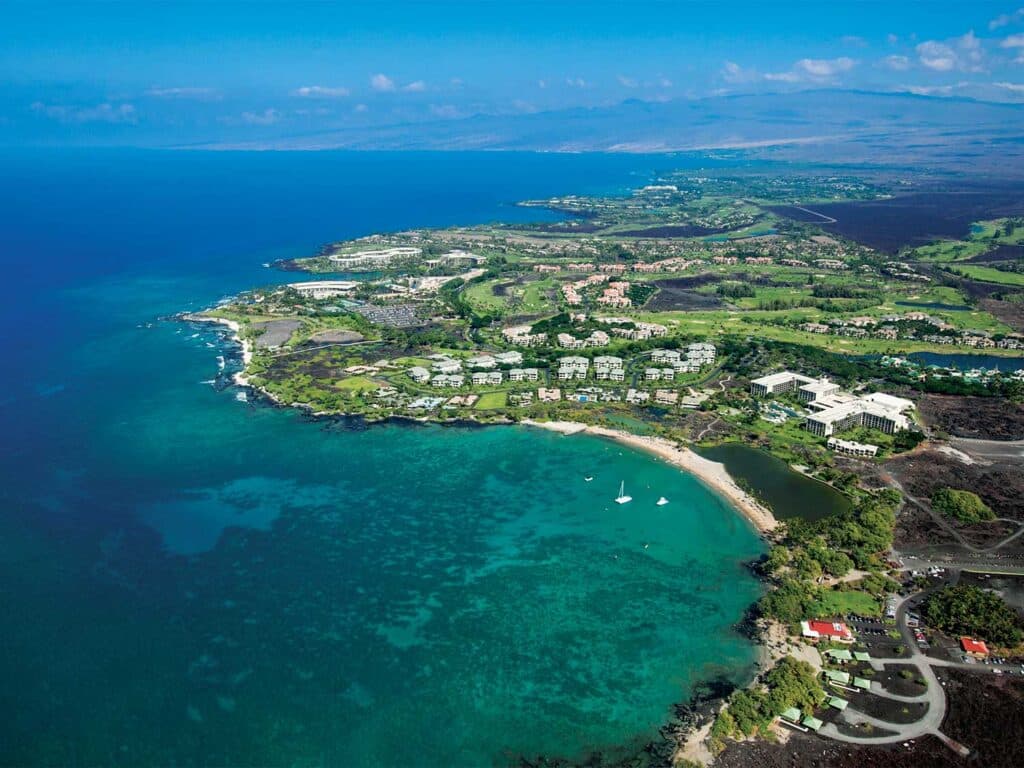
Kailua-Kona offers a mélange of hotel rooms and bed-and-breakfast operators. It was developed a half-century ago and remains popular with the traveler on a budget. The most popular fisherman’s accommodation is the Royal Kona Resort, centrally located and loaded with fishing history and amazing taxidermy. The Kohala Coast stretches north from Honokohau Harbor and offers spectacular resort accommodations, including the Four Seasons Hualalai, Kona Village, Mauna Lani Auberge, Fairmont Orchid, Westin Hapuna Beach Resort and the famous Mauna Kea Beach Hotel. If you have a family along, there are plenty of diversions and activities to keep them happy.
Dining
Hawaii regional cuisine is the finest on Earth. It’s Pan-Asian culinary genius inspired by the finest produce, seafood and ranch products available to mankind. European chefs who visit Kona will most likely stay forever because cooking in Hawaii is transformative. Everything from Indian, French, Italian, Japanese, Hawaiian and smoky barbecue is here. Be sure to try Kona Kampachi, a wonderful local amberjack available in most good eateries.