Subscribe to Marlin magazine and get a year of highly collectible, keepsake editions – plus access to the digital edition and archives. Sign up for the free Marlin email newsletter.
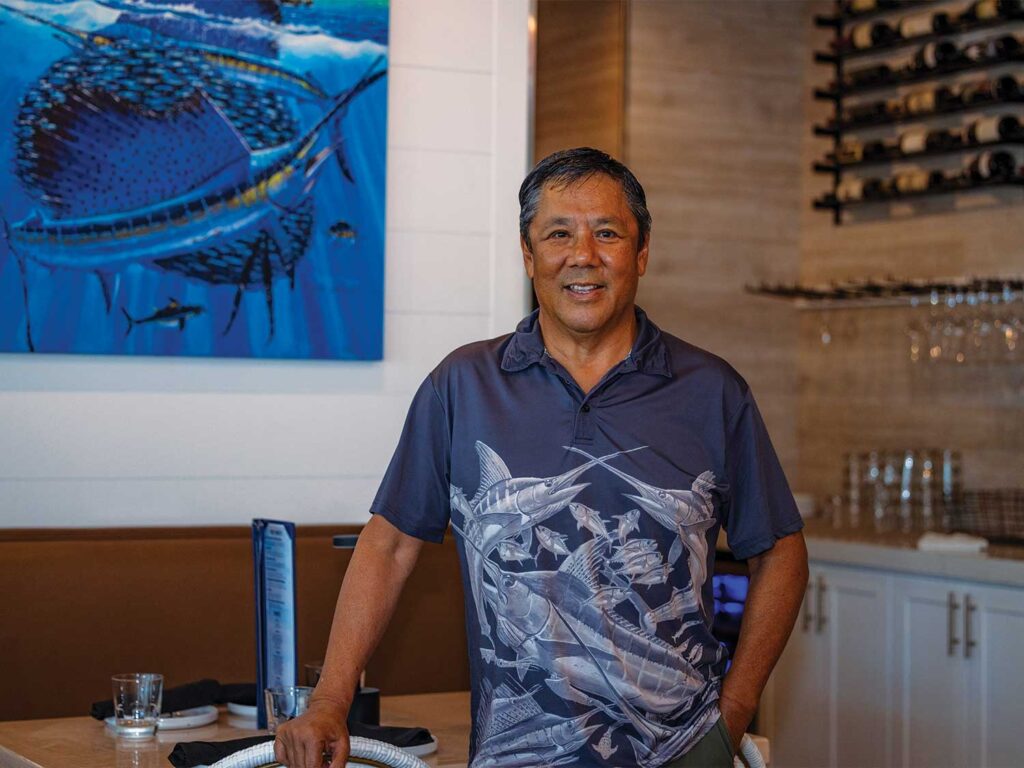
He’s one of those rare figures who seems to exist everywhere at once, fishing the circuit, creating beautiful art in exotic locales, and always at the center of the action. For more than three decades, Carey Chen’s work has brought the sport to life through the strokes of his brush, earning him a reputation as both a respected marine artist and global ambassador for big-game fishing. Known for his larger-than-life personality, globe-trotting adventures and quick wit, I recently had the pleasure of sitting down with Chen to learn more about his incredible story. Watch the full interview on Episode 4 of The Marlin Podcast.
Q: Tell me about your childhood. Who was Carey Chen as a boy?
A: I was born in Los Angeles, but my family pulled me back to Jamaica when I was a toddler. That’s where I grew up before moving to Miami as a teenager. And honestly, I wasn’t a fisherman then. I was into motorcycles. I raced motocross and road bikes, wrecked plenty, but somehow never broke a bone. After that, it was muscle cars. Then I owned a chain of video stores in Miami.
Q: When did the fishing bug bite?
A: In Miami. I started kite-fishing with Capt. Elias Rodriguez back when hardly anyone was doing it. That was addictive. Then one day we were jigging for amberjack and hooked a marlin. That was it. I was done. Once you experience that, you never go back.
Q: Your dad had a huge influence on you. Tell me about him.
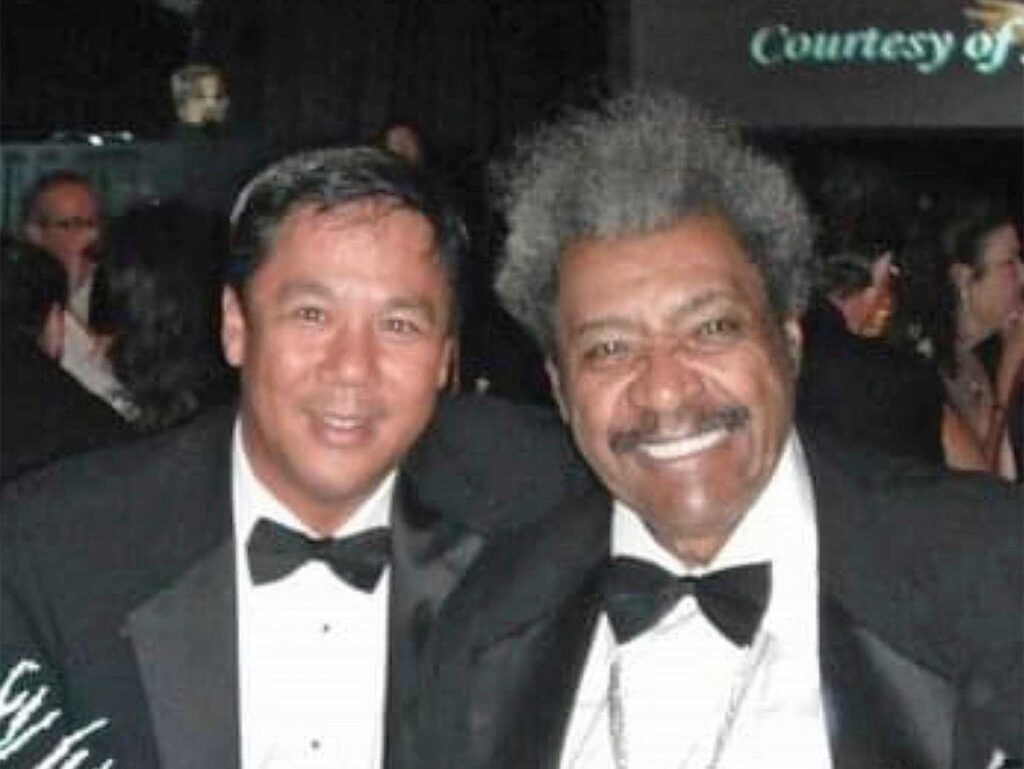
A: My dad was a boxing promoter. A real Vegas guy who hung out with the Rat Pack, bet the ponies, and brought heavyweight fights to Jamaica. He staged the George Foreman-Joe Frazier championship there, which was insane for a developing country at the time. Muhammad Ali, Sugar Ray Robinson—they were all around. Bob Marley even used to kick a soccer ball in our yard in Miami. I was just a kid, so I didn’t realize how wild it was. But that world of celebrities, promotion and energy definitely rubbed off on me.
Q: How did you discover your artistic abilities?
A: Totally by accident. When Blockbuster killed my video-store business, I started doodling. I loved fishing, so I sketched fish. Capt. Harry Vernon saw one of my drawings and put it on the cover of his product catalog. Suddenly, everyone thought I was a real artist. From there I got invited to tournaments in the Cayman Islands and Puerto Rico, and it snowballed. Soon I was the “featured artist,” living out of a suitcase, painting, selling art and shirts, and fishing all over the Caribbean.
Q: What were those early years on the tournament circuit like?
A: Unreal. A complete whirlwind. I’d show up, sell artwork and clothing, fish all week, and sometimes crank out a painting on-site for auction. That led to invitations to St. Lucia, Trinidad, Aruba, Venezuela—you name it. Venezuela back then was the best fishing on Earth, and I was right there painting murals and catching marlin. Later it was Costa Rica, Guatemala, Panama, Ecuador—every island had its own flavor. I always say all of them are my favorite.
Q: When did you realize painting could be more than just a side hustle?
A: Once tournaments were paying me to show up, plus commissions and a clothing line, I knew I could make a living. For years I did the Miami, Fort Lauderdale and Palm Beach boat shows with a big booth. It was exhausting, but it built my brand. Now, with technology and a hard drive full of 3,000 paintings, I can put everything on autopilot. The goal has always been to enjoy the ride, not pile up money. I’d rather die with memories than regrets.
Q: Madeira has become a special place for you. Why there?
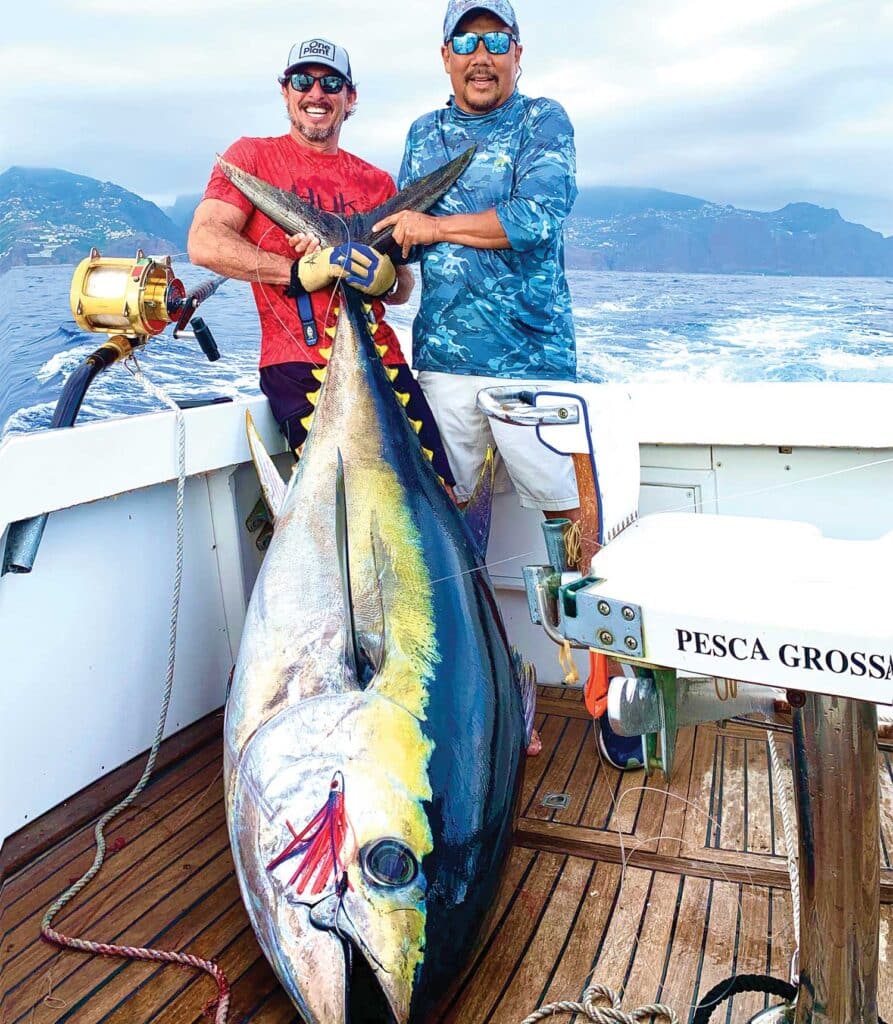
A: My good friend Capt. Frothy DeSilva invited me a decade ago, and I’ve gone every year since. It’s paradise—giant marlin right outside the harbor, incredible food, calm waters, safe, clean and surprisingly inexpensive. Fishing can be slow there, but when you see a fish, it’s usually a giant. That’s what gets me going these days.
Q: You’ve also seen the sport evolve from a global perspective. What stands out most?
A: The growth of places like the Dominican Republic and Costa Rica. Those destinations exploded, especially with FADs—though I think they can be harmful. On the flip side, I’ve seen the explosion of bluefin tuna in California. It’s like nothing else. But overall, just the growth of the sport. People are traveling more than ever to fish.
Q: How has your craft as an artist evolved?
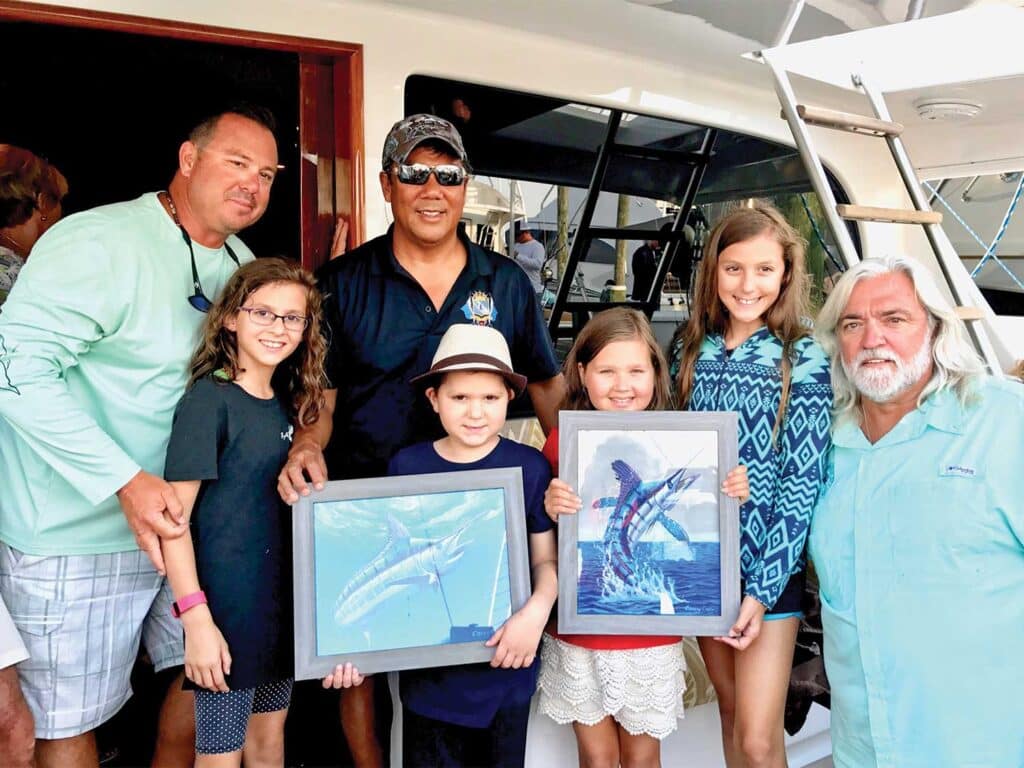
A: I’m self-taught, so in the beginning it was rough. But thousands of paintings later, it’s all in my head. I don’t need reference photos—when I paint a marlin, I see the fish I’ve fought and released coming right at me. That’s why there aren’t many true marine artists; you have to both fish and paint. I work from home, usually 10 commissions at a time, and crank them out when I’m inspired. Work hard, play hard. That’s the motto.
Q: What’s next for Carey Chen?
A: More of the same! I’ve got paintings to finish, tournaments to fish and places to see. One day I’ll write a book—names changed to protect the innocent, of course. But really, it’s about enjoying life, and that’s what I’ll keep doing.