Subscribe to Marlin magazine and get a year of highly collectible, keepsake editions – plus access to the digital edition and archives. Sign up for the free Marlin email newsletter.
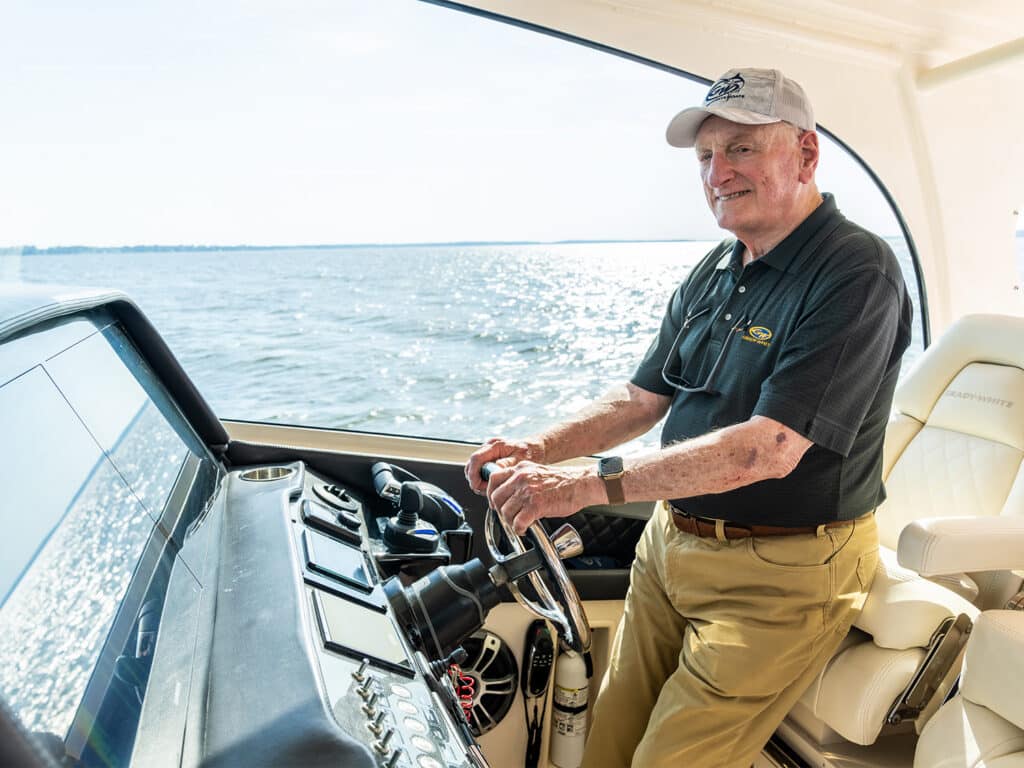
For an industry built on tradition, few moves have sparked as much conversation as Eddie Smith’s latest decision for Grady-White Boats.
The longtime owner recently turned down acquisition offers reportedly worth more than $400 million. Instead, he placed the company into a perpetual purpose trust, paired with a new nonprofit that will direct future profits toward charitable causes. The announcement rippled well past the marine industry, drawing coverage from national outlets including The New York Times and Fortune, not for the dollar figure alone, but for what Smith chose to do instead of cashing out.
In an era when consolidation has become the norm across recreational boating, Smith’s decision is a rare bet on legacy over liquidity. For big-game fishermen, its significance runs deeper than a corporate org chart.
Founded in 1959 in Greenville, North Carolina, Grady-White has spent more than six decades building a reputation as one of the most trusted names in offshore fishing. Smith bought the struggling builder in 1968, at age 26, and steered it from the brink of bankruptcy to one of America’s premier boat manufacturers, all while staying privately held and resisting the pressures that typically come with rapid growth.
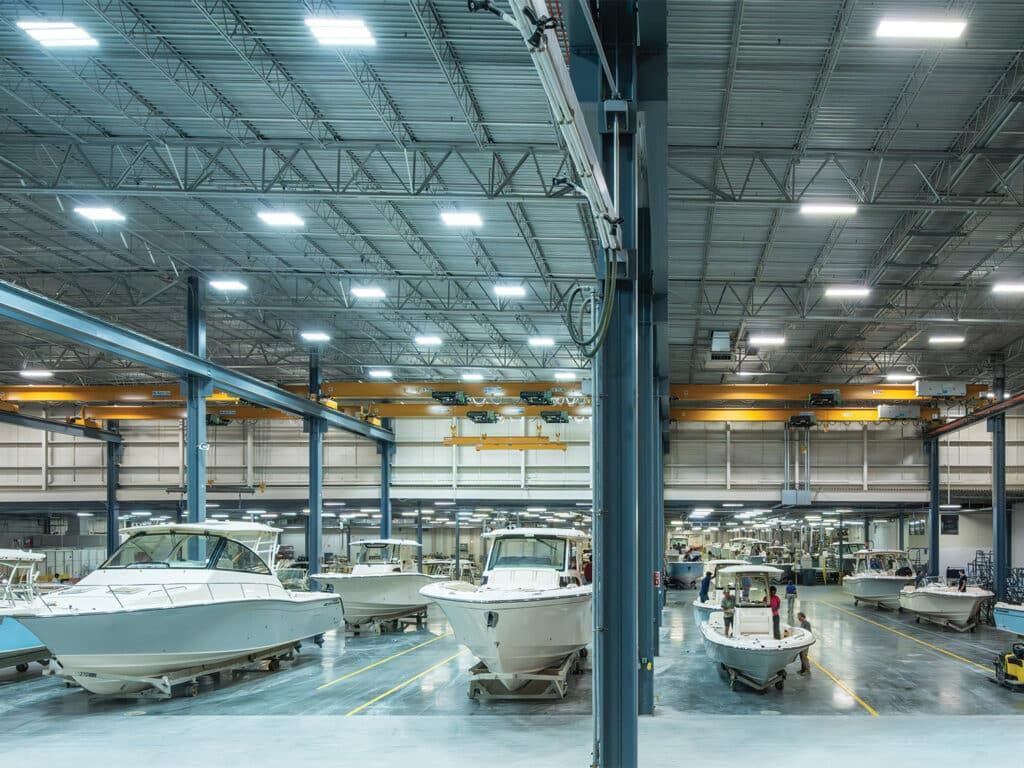
What Grady-White has built in the years since is something increasingly rare in modern manufacturing: consistency. Whether anglers are chasing blue marlin off the Outer Banks, running canyons in the Northeast, or spending a Saturday with the family along the Gulf Coast, generations have trusted the brand for its rugged construction, dependable offshore performance and thoughtfully designed layouts. The proprietary SeaV² hull has long been praised for delivering one of the smoothest rides in rough water, and the company’s attention to fit, finish and customer service has built an unusually loyal owner base.
The satisfaction numbers back it up. Grady-White has captured every major third-party customer satisfaction award ever presented in its category, including all of its J.D. Power Marine Study awards and an unprecedented 24 consecutive NMMA Customer Satisfaction Index Awards. It’s a run few manufacturers in any industry can match.
That’s the culture Smith set out to protect. Rather than sell to private equity or a larger marine conglomerate, ownership now sits inside a structure built to keep the company independent while funding charitable giving for decades to come. Smith has said he was inspired in part by Patagonia founder Yvon Chouinard, whose own move to shift Patagonia’s ownership into trusts and nonprofits reshaped how business owners think about succession.
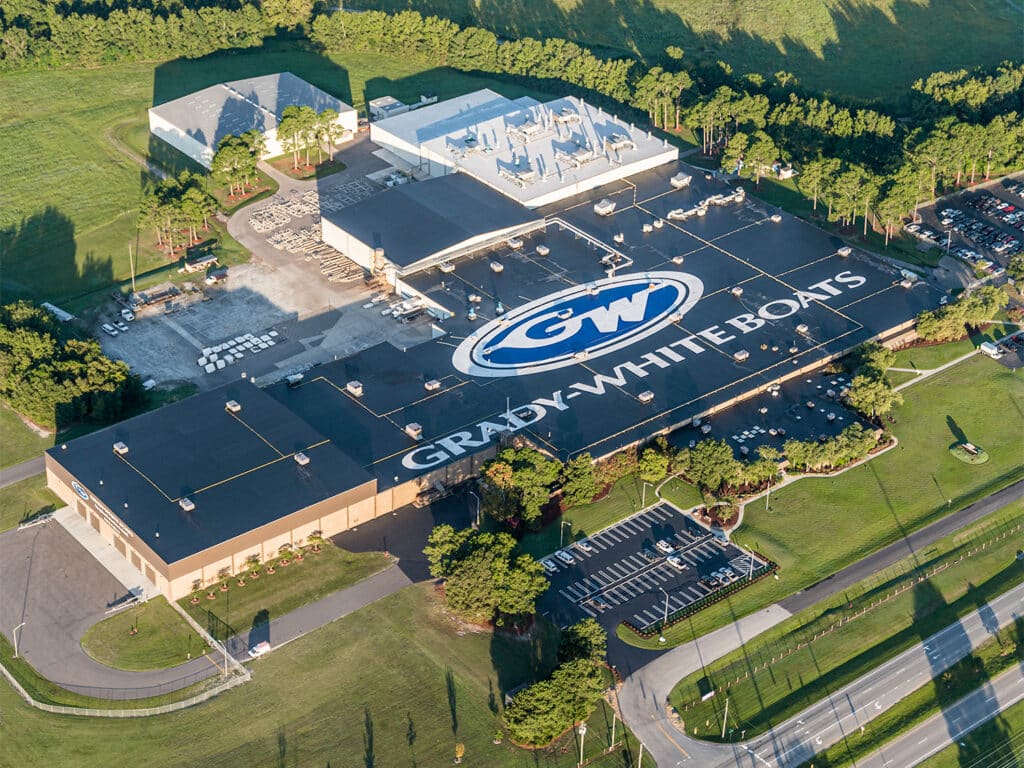
It’s a philosophy that resonates across the boating world, where many of the most iconic brands were built by owners whose identities became inseparable from the companies they created. The hard part has always been finding a succession plan that protects employees, preserves product quality and doesn’t trade culture for shareholder returns.
Smith believes he’s found one. Grady-White’s executive team, led by CEO and President Kris Carroll, stays in place. Smith moves into a CEO emeritus role as advisor and brand ambassador. For employees, dealers and owners, the move promises continuity. For the wider industry, it offers a working blueprint for how family-owned builders might protect their values long after the founder steps back.
For anglers, the takeaway may be simpler: one of offshore fishing’s most respected builders is set to remain exactly what it’s been for generations. In a business where trust is earned one wave at a time, that might be Eddie Smith’s most lasting legacy.