Subscribe to Marlin magazine and get a year of highly collectible, keepsake editions – plus access to the digital edition and archives. Sign up for the free Marlin email newsletter.
Japan is an island nation surrounded by the sea. Fishing is woven deeply into its traditions, culture and cuisine. From coastal villages to modern mega-cities, the sea is revered for its beauty and respected for its power and bounty. Fishing is rooted in discipline and respect, and reflects the values of Japan’s samurai traditions, where patience and precision are admired over spectacle.
The pursuit of tuna in Japan is governed by tradition, strict rules and ever-changing regulations. So, I was beyond excited to be invited to fish the fabled Tsugaru Strait in northern Japan for Oma bluefin tuna. This is a mythical place spoken of with respect, where access is limited and rules are strict, as Oma bluefin tuna are the most prized and expensive in the world. I yearned to learn more about Japan’s fishing techniques, tackle and fishing culture.
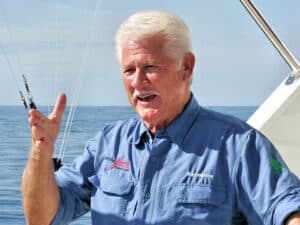
My Japanese-American parents instilled a deep pride in my Japanese heritage. My father and mother were both born in the U.S., raised in Japan, and served in the U.S. Army, bridging both worlds. I was raised in the U.S., became an American lawyer, then lived in Japan for four years. I am one of only four American lawyers to have graduated from Kyoto University, and I also studied at Tokyo University. I now live in California and enjoy chasing trophy marlin and tuna throughout the world. As a business trial lawyer who represents Japanese companies throughout the U.S., I travel frequently to Japan, although work rarely allowed time to fish there.
During my trip, I explored the volatile currents in northern Japan for trophy Oma bluefin tuna, along with Tokyo’s Toyosu fish market, Japan’s fishing tackle stores, the bluefin tuna exhibit at Tokyo Sea Life Aquarium and more. This is my journey into Japan’s big-game fishing culture, where reverence defines the pursuit of tuna and big-game fishing.
Tsugaru Strait: Where Currents Collide
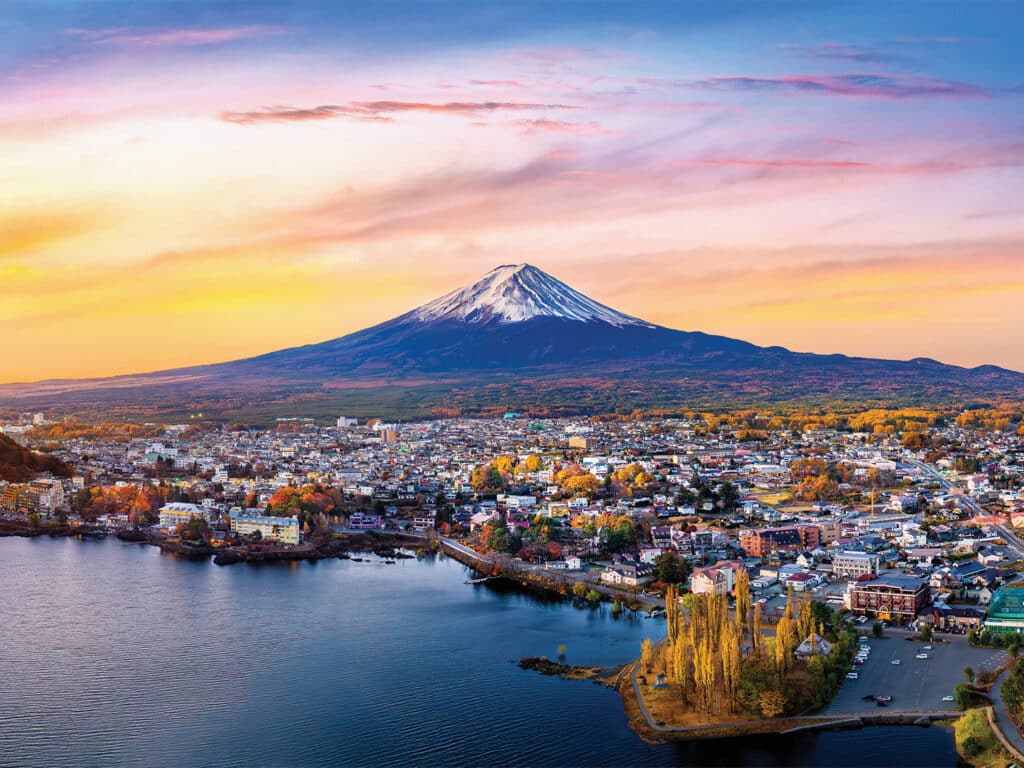
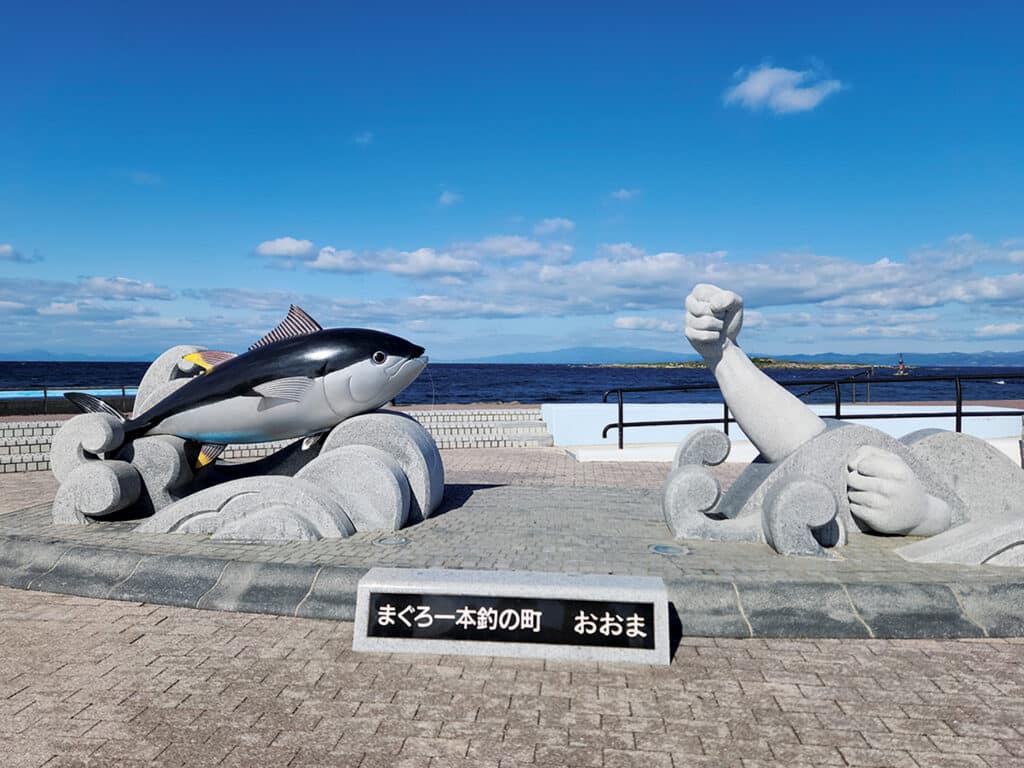
I began my quest at the tuna capital of Japan. Oma, situated in the Aomori region in northern Japan, offers one of the best access points to the famed Tsugaru Strait. To the delight of sport-fishing anglers, big Pacific bluefin tuna returned to the Tsugaru Strait about 15 years ago.
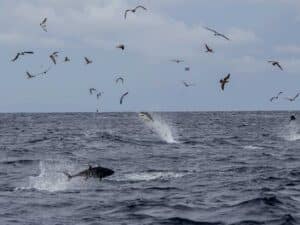
These tuna transit from the Sea of Japan to the Pacific Ocean through the Tsugaru Strait, the turbulent corridor 100 miles long and 25 miles wide between the main island of Honshu and the northern island of Hokkaido. Here, currents from the Sea of Japan and the Pacific Ocean collide, forcing nutrient-rich water upward, creating roiling rivers of currents with undersea walls of water. Currents at the Tsugaru Strait include the warm Tsugaru Current and cold Oyashio Current. Bluefin tuna patrol the edges of the undersea walls of currents along the Tsugaru Strait. It is a rich and layered food chain: Deepwater plankton rise with the currents, attracting shoals of anchovies, sardines, squid and saury on which the voracious bluefin tuna aggressively feed to gain the fat and flavor that distinguish Oma from ordinary tuna.
There are several options to fish the Tsugaru Strait. Hakodate is a vibrant port city on Hokkaido, with many hotels, restaurants and tourism attractions, but running to some of the fishing grounds can be a long haul. Oma is a small town at the northern tip of Honshu, which does not have hot springs hotels and is legendary for the finest big bluefin tuna. Bigger bluefin tuna arrive from October to January. I fished several areas of the Tsugaru Strait from both the Sea of Japan and the western Pacific, including Oma, Tappi and Shiriya.
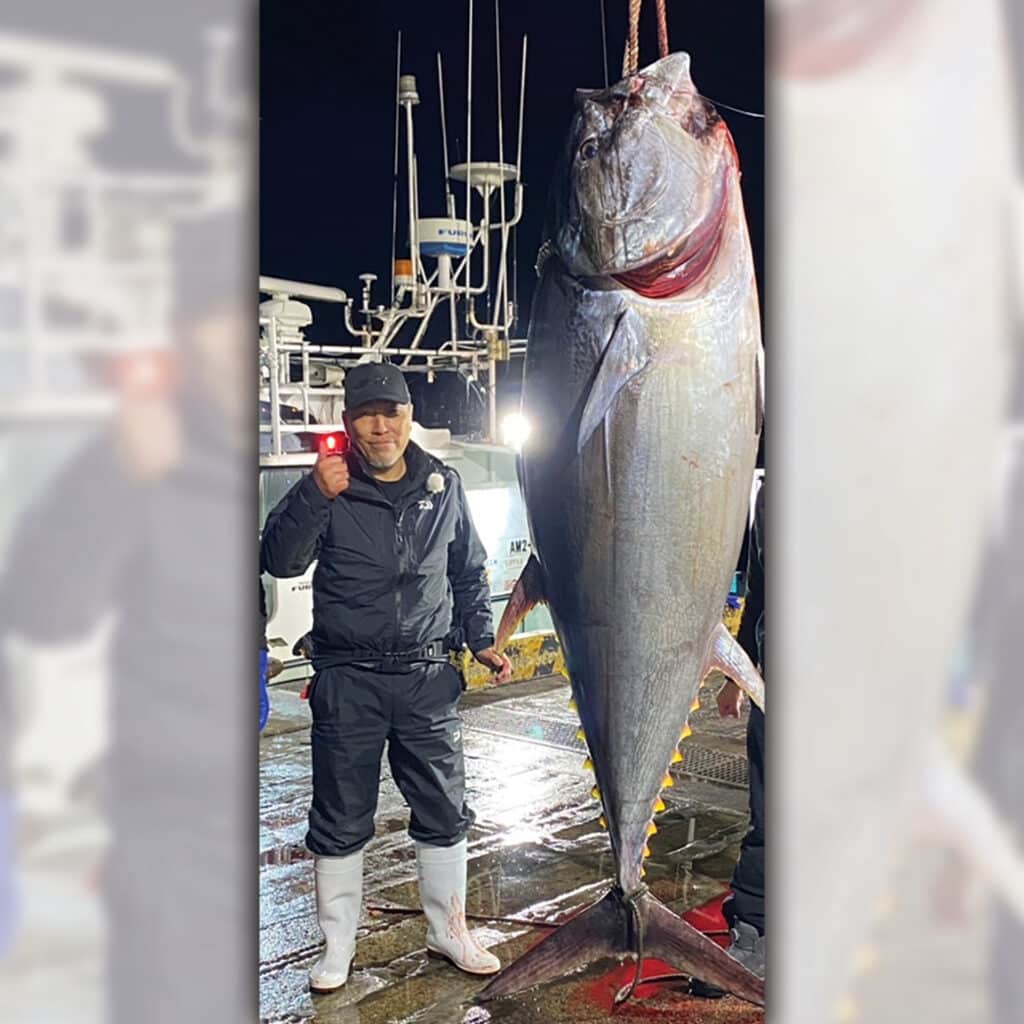
Trolling with lures in Japan is generally prohibited, although some of the major billfish tournaments are granted special permission. Most fishing is done by casting and jigging. At Tappi Cape and the undersea current walls in the Tsugaru Strait, the boats flank the sides and stop and wait for bait explosions or the sight of leaping bluefin. This stop-and-wait approach contrasts with the run-and-gun tuna fishing in Southern California and Mexico that I am familiar with, where the fleet burns fuel searching for tuna. At the Tsugaru Strait, the fish come to you—if you are in the right place at the right time.
The Japanese charter boats available at the Tsugaru Strait are functional but spartan compared to the luxurious sport-fishing yachts we are accustomed to in the West. They are typically 36-foot-long, narrow inboard walkarounds. Typically, Tsugaru Strait tuna boats have four anglers per boat, with no fighting chair and low rails. Multiday charters are recommended because weather conditions can necessitate cancellations. Daily charter rates vary depending on distance. Usually, each charter boat has a captain but no mates, so anglers must assist with gaffing and pulling the fish on board.
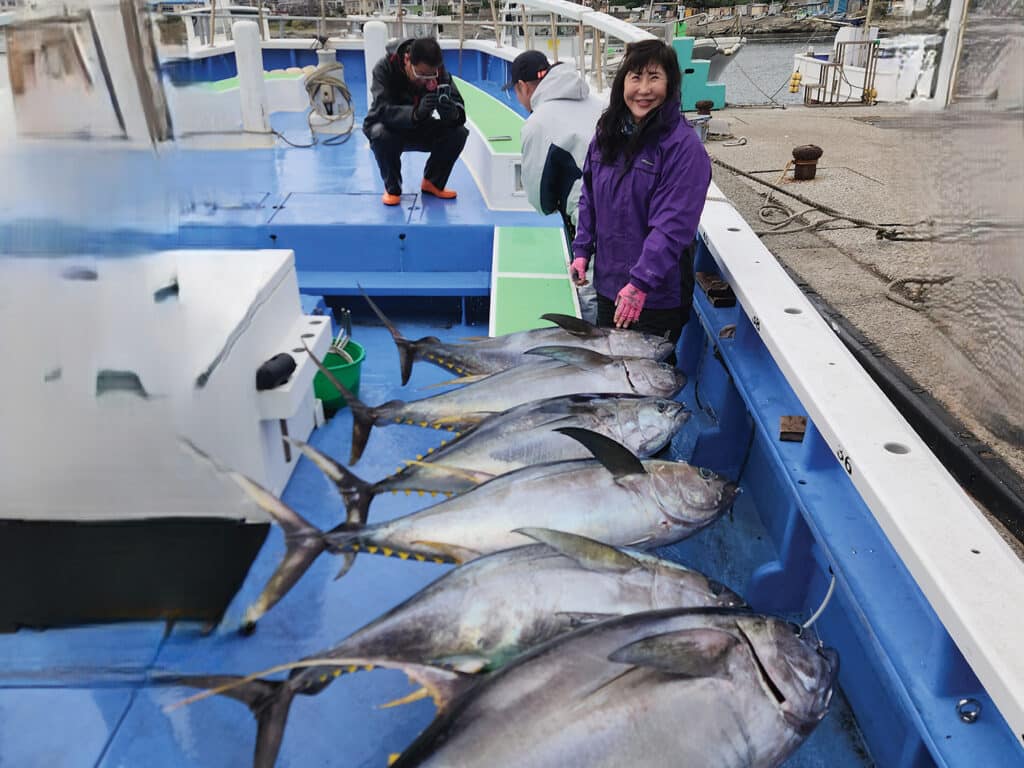
During my trip in late October 2025, I fished for bluefin tuna from both Oma and Hakodate with a group anglers led by Sadayuki Nakayama, and the seven anglers rotated between several boats. Of five charter days, one day was scrubbed due to weather. The group caught eight bluefin tuna but released all of them, as required by regulations since the fish were under 30 kilograms (about 66 pounds). Of course, just a few weeks after we left, Capt. Araya on Seiyumaru caught a 575-pound bluefin tuna off Oma, which the angler battled for three hours on stand-up gear.
The Hakodate boats we chartered did not provide rods and reels, so I brought my own from California. I felt like I had brought a knife to a gunfight. I realized how different my stiff, thick American rods were when compared to the slender, flexible and ultra-strong specialty rods the Japanese anglers used for casting and jigging.
Evenings in Hakodate were lively communal dinners at restaurants. The Nakayama group of anglers shared stories about their international tuna and salmon angling adventures in North Carolina, Nova Scotia, Massachusetts, Ireland, Patagonia and more. We enjoyed Wagyu beef barbecue at Captain Kikuchi’s restaurant, a delicious reward after fishing.
Exploring Tokyo: Fishing, Toyosu Market and Breeding Captive Tuna
After fishing for Oma bluefin tuna in northern Japan, I flew to Tokyo for business meetings. While in Tokyo, I always enjoy visiting Japan’s premier tackle stores: Sansui and Joshuya. They have a vast array of rods, reels, tackle, apparel and accessories from Japan’s top fishing manufacturers, including Shimano, Daiwa, Momoi, Seaguar and Fudo, with rows of irresistible lures and tackle not available in the U.S.
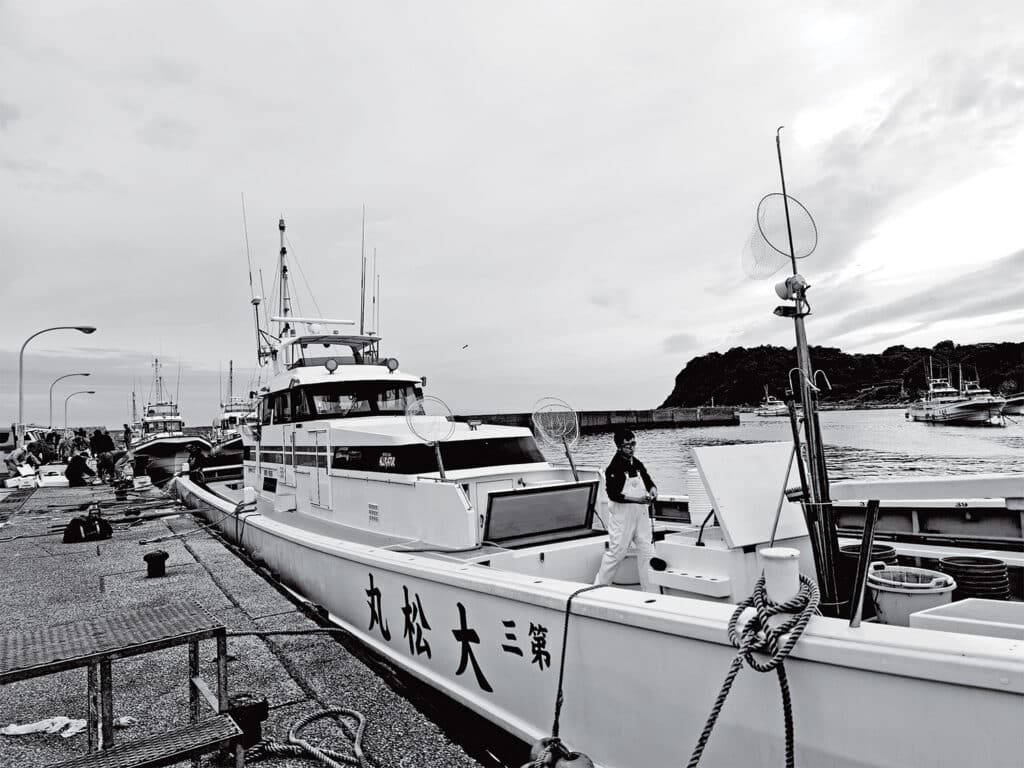
Since I was in Tokyo, I wanted to experience Japanese yellowfin tuna fishing. I went to Kanagawa near Tokyo and fished out of Matsuwa port, where hundreds of anglers gathered to board the many big sport-fishing boats. The Kanagawa boats have masts with short staysails at the stern for stabilization and are bigger than the northern Japan bluefin charter boats.
I fished on Daimatsumaru No. 23. Owned by the friendly Suzuki family, it is the largest sport-fishing boat in Japan at 80 feet. It is a walkaround and generally operates with only a captain. Daimatsumaru included electric reels and slender, flexible, strong rods, with krill bait and terminal tackle available for purchase. Anglers sit on benches at numbered spots along the rail, using krill chum baskets or jigging. Each seat has a plug for the electric reel and a short, flexible, strawlike hose to rinse the frozen krill bait in buckets that swivel over the rail. We caught several yellowfin tuna between 60 and 160 pounds. The captain maneuvers the boat from the wheelhouse, but if the angler at the stern had a big fish, he would take his handheld controls on a long cable and stand next to the angler to maneuver the boat.
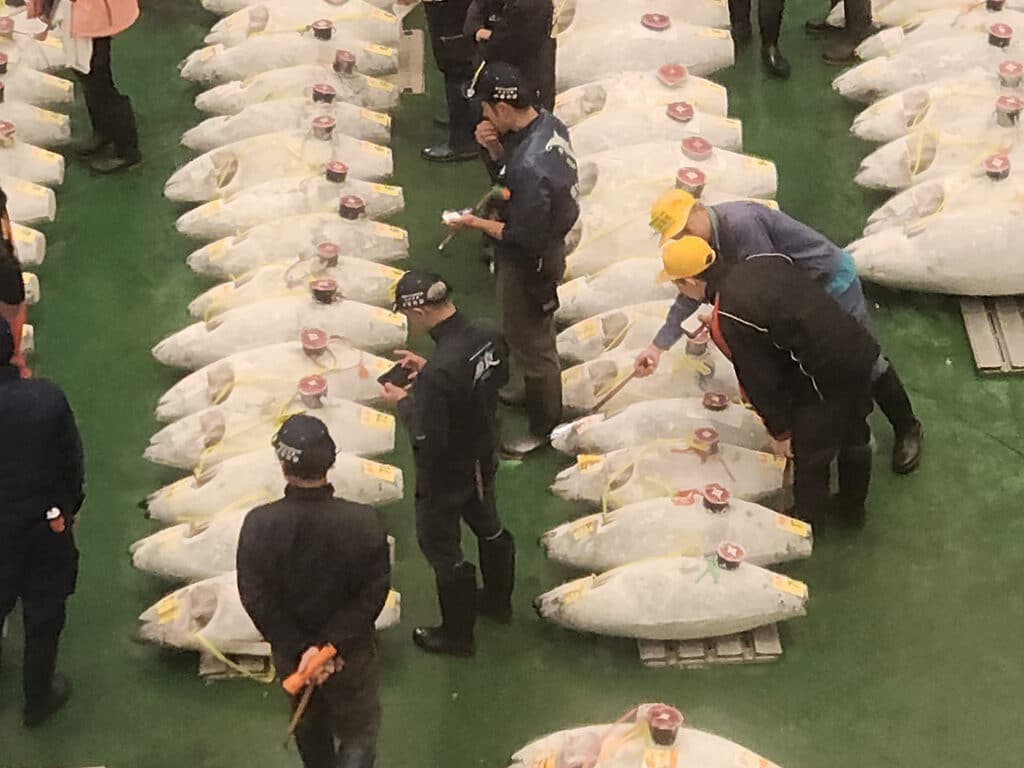
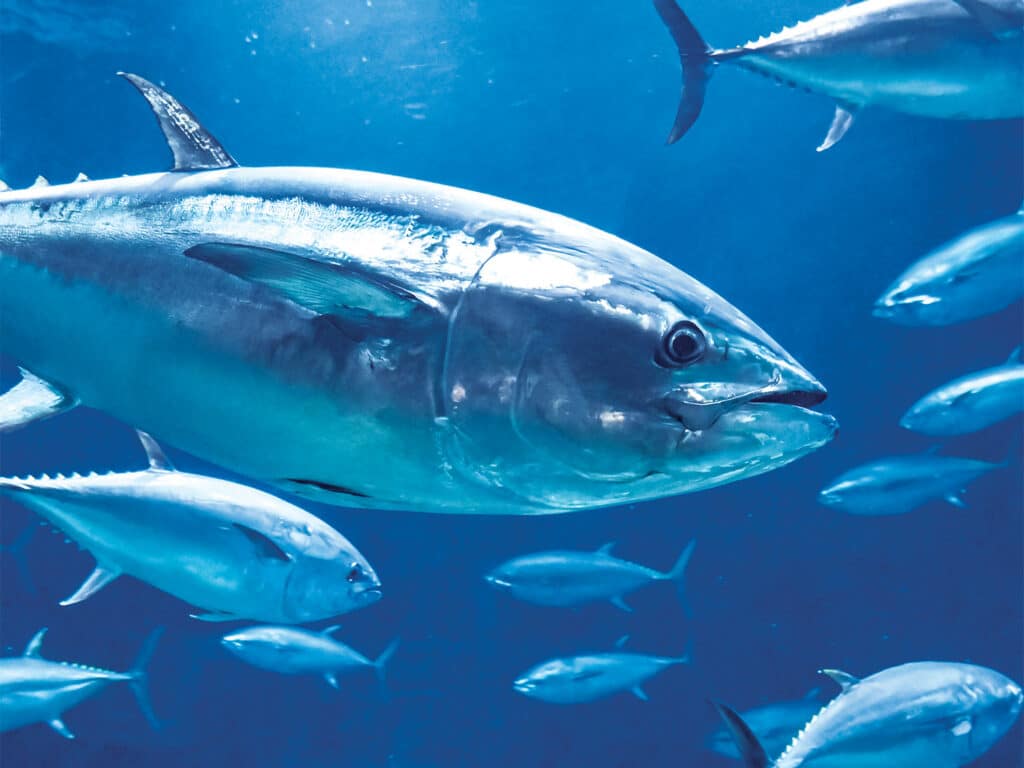
No exploration of Tokyo, or Japan for that matter, is complete without witnessing the morning tuna auction at the Tokyo Market, the new location of the largest fish market in the world. The historic Tsukiji fish market closed for the Tokyo Olympics and moved to Toyosu, which is vast, modern and meticulously organized. I miss the chaos, clamor and charm of Tsukiji, where I would wander freely between the various fish tanks and watch the tuna auction. Toyosu’s commercial tuna auction has a raised, enclosed, hushed observation deck for tourists. Most tuna are sold frozen, comprised of 20 percent bluefin, 30 percent bigeye, 30 percent yellowfin, 10 percent southern and 10 percent albacore. Toyosu has a network of sky walkways that connect to an onsen day spa and multiple restaurants, where you can sample the freshest sashimi and sushi.
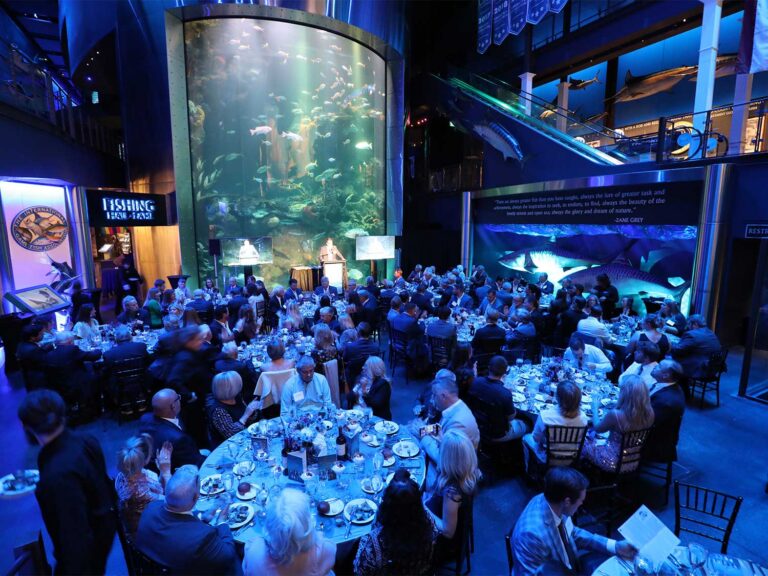
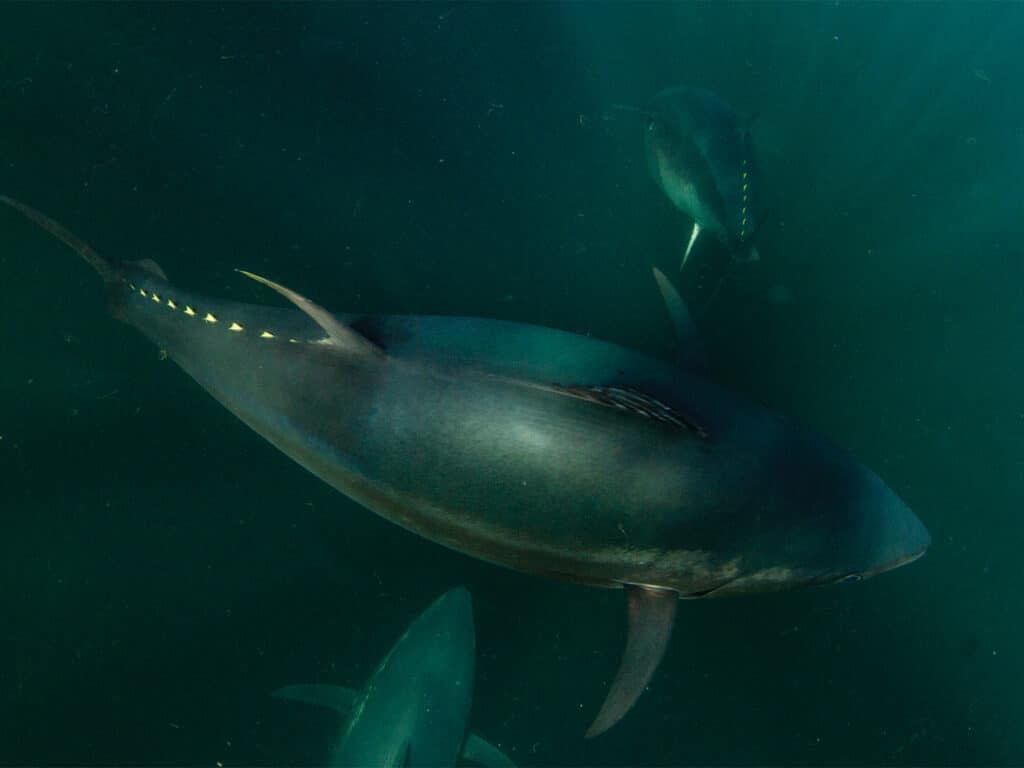
To cap off my stay in Tokyo and my journey into the Japanese tuna culture, I headed ashore. A visit to incredible Tokyo Sea Life Park revealed a rare school of big Pacific bluefin tuna. Then came pilgrimages to Sansui and Joshuya, Tokyo’s premier tackle meccas, where aisles burst with gear from Shimano, Daiwa, Momoi, Fudo and other exotic tackle—much of it impossible to find back home.
Beyond the Tuna
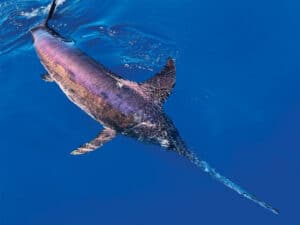
Where there are tuna, marlin are never far behind. While the focus was primarily on tuna, Japan also has an active billfish fishery, although my recent trip fell outside prime marlin season. In June 2025, a massive 1,020-pound black marlin was caught aboard Katsu Maru off Yonaguni in Okinawa, a trophy that instantly put Japan in the global marlin conversation.
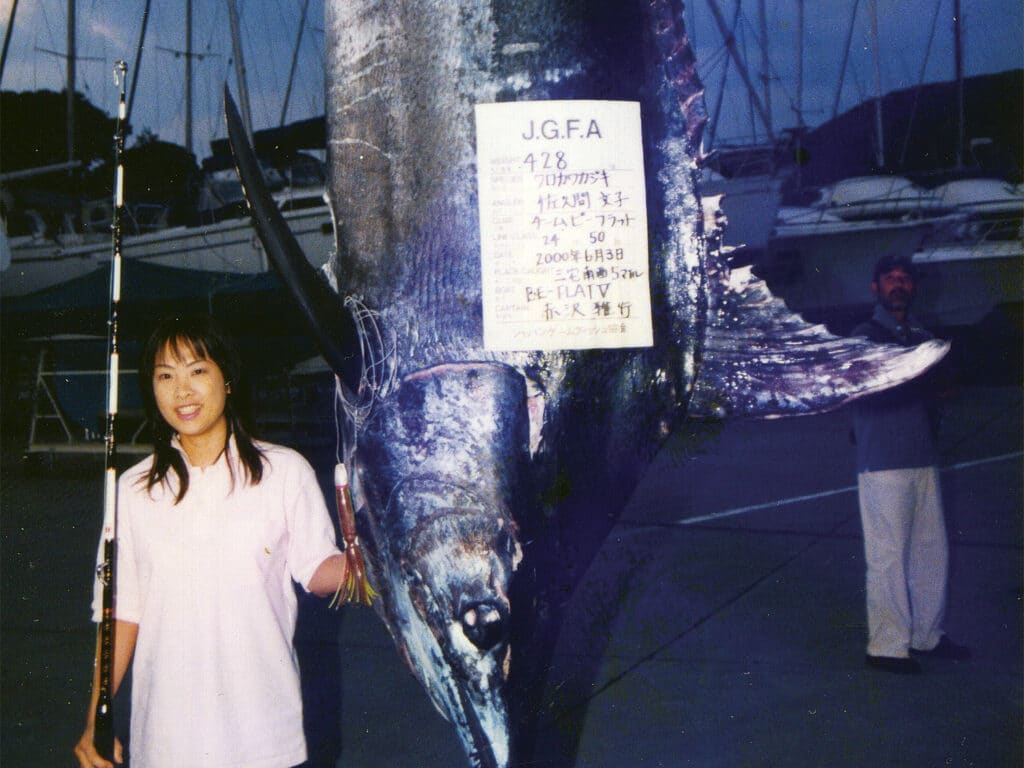
Japan is also home to the IGFA women’s 50-pound line-class world record for Pacific blue marlin—a 943-pound, 9-ounce giant caught off Miyake Island near Tokyo by Ayako Sakuma in 2000.
Peak marlin season runs from April through September, with productive waters and established tournaments stretching from Okinawa in the south through Ibaraki, Shimoda, Wakayama and Tokyo. It’s a serious marlin culture—one I didn’t get to experience firsthand this time, but I plan to explore.
Make the Journey
Favorable exchange rates currently make traveling to Japan a bargain, and the logistics are more straightforward than many anglers might expect. Japan Airlines offers a special promotion that includes a free domestic flight when booked alongside a roundtrip international ticket. For the bluefin experience I had in Hokkaido, the easiest route is to fly into Tokyo—Haneda Airport is preferable to Narita—then transfer directly to a domestic flight to Hakodate. Alternatively, the Shinkansen train provides a memorable overland option, carrying travelers through the Seikan Tunnel beneath the Tsugaru Strait, the world’s longest undersea rail tunnel. From Hakodate, reaching Oma is part of the adventure itself via a 90-minute Tsugaru ferry crossing.
Travel throughout Japan continues to become easier, with English signage increasingly common. While most Japanese captains do not speak English and some charters still require telephone reservations in Japanese, a translation device such as Timekettle or Pocketalk Plus can help to bridge the gap.
Japan’s rich fishing culture does not separate tradition from innovation; it binds them through its samurai traditions and deep reverence for the sea. For anglers willing to step outside their familiar big-game comfort zones, a journey to Japan offers something truly different: a chance to immerse yourself in a fishing culture that is truly unlike anywhere else in the world.
Tuna Culture
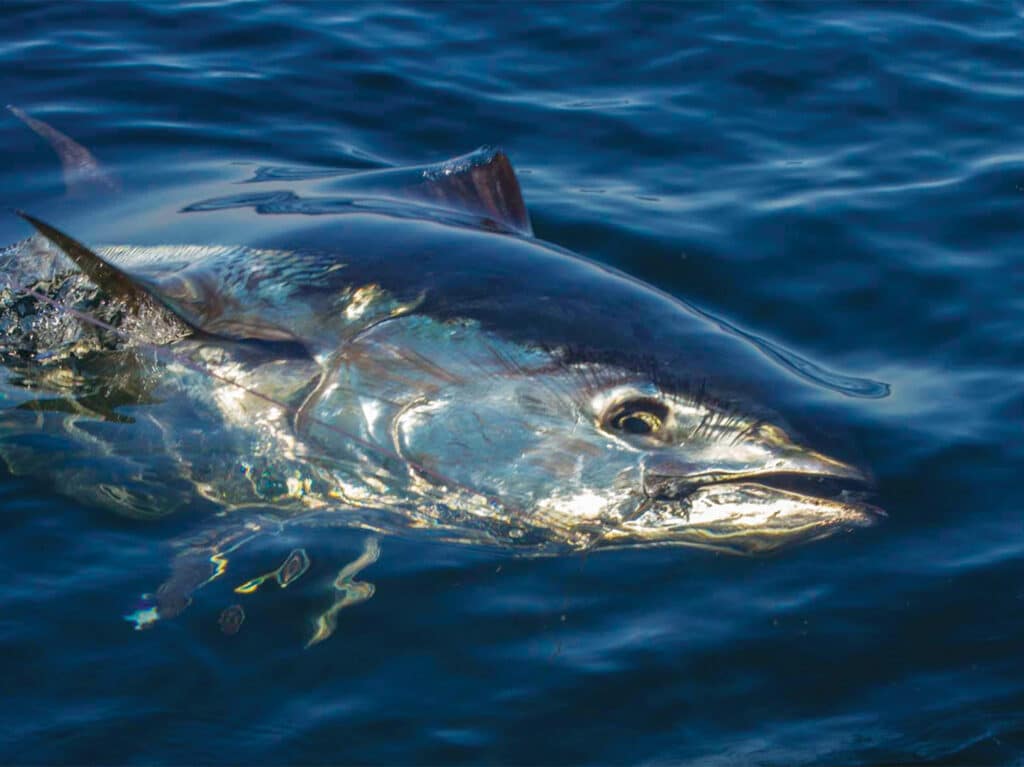
In Japan, tuna is celebrated and woven deeply into daily life. Among all the fish species that define Japan’s relationship with the sea, none carries more significance and economic value or is more coveted than tuna. Oma Pacific bluefin tuna is the most expensive tuna in the world. In January 2026, a 526-pound Oma bluefin tuna made international headlines when it sold for $3.2 million (510,300,000 yen), shattering the 2019 record price of $2.1 million (333,600,000 yen). This tuna culture extends beyond fishing, into research and scientific study. Scientists identified several spawning areas for Pacific bluefin tuna, including between the Philippines and the Ryukyu-Nansei area in the south, as well as the Sea of Japan. Japan is also a leader in tuna-farming research. Kinki University was the first to successfully farm already-hatched bluefin tuna in 1979; in 2002, it succeeded in breeding bluefin tuna.
Cuisine and the Onsen Hot Springs
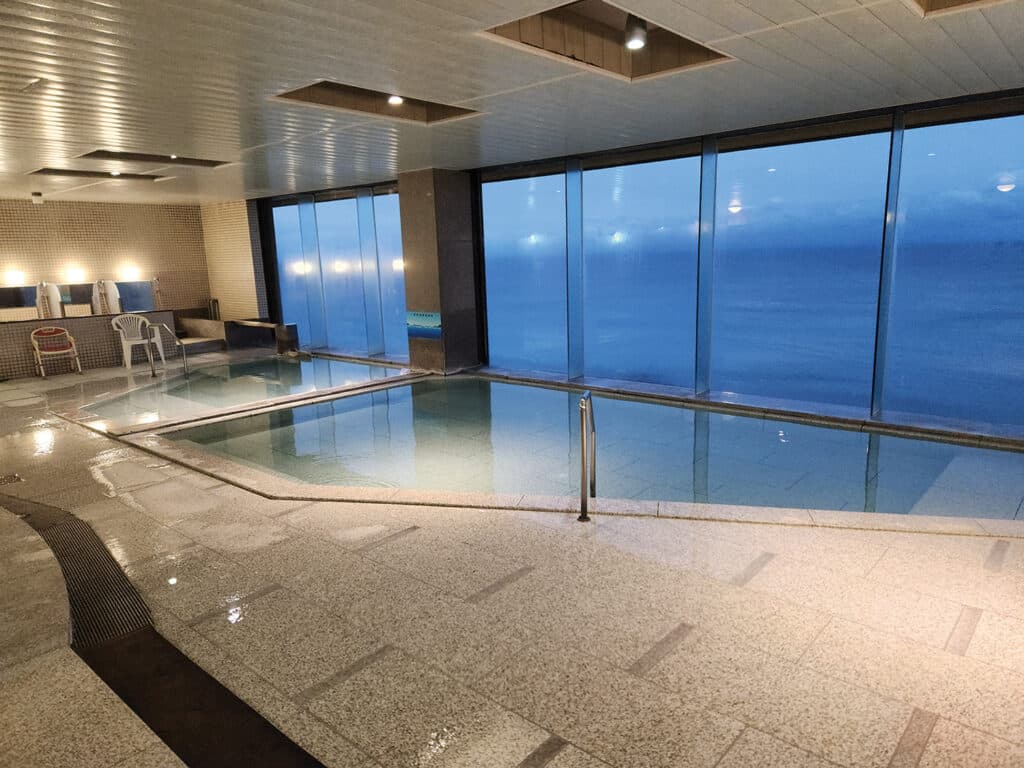
Hokkaido, located just north of the Tsugaru Strait, is beloved for its wealth of fresh seafood. Oma bluefin tuna sashimi is rich and delectable. Sumptuous seafood restaurants and buffet feasts at Hokkaido serve tuna, scallops, crab, sweet shrimp, squid, salmon ikura caviar, Wagyu grilled beef steaks, fried chicken, tempura, pickles, fresh fruit, delicate cakes, gelato, tea, wines and fine Japanese whiskey. Japanese food is beautiful to behold; the presentation, flavors and excellent service are simply incredible. Japan has many hot springs called “onsen,” which are soothing and refreshing. Some onsens have rotenburos (outdoor baths) overlooking the sea, where you can savor the view and listen to the waves, a deeply restorative spiritual soak that rejuvenates the body and soul. The onsens also have elaborate kaiseki, Japanese meals in a wealth of beautiful, delectable courses and ornate presentations.