Subscribe to Marlin magazine and get a year of highly collectible, keepsake editions – plus access to the digital edition and archives. Sign up for the free Marlin email newsletter.
The Mediterranean Sea is the deep blue heart of a region rich in the history of fish, fishing and fishermen. Twenty-two countries across three continents border its shores, creating a diverse region stretching from the Iberian Peninsula in the west to the Levant in the east. Historical records dating back more than 3,000 years confirm that bluefin tuna have been hunted here since at least Phoenician times, around 1200 BC, likely using some of the earliest organized tuna-net systems.
Vast in scale, the Mediterranean covers nearly 970,000 square miles, includes more than 3,300 islands, and reaches depths of over 5,100 meters. Its highly varied seabed—marked by ridges, canyons and seamounts—creates prime bluewater habitat throughout the basin.
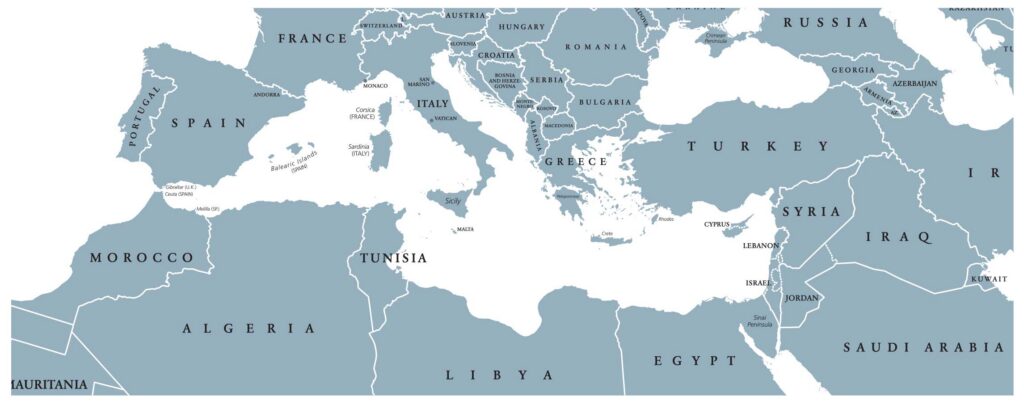
Two billfish species are common: Mediterranean spearfish and broadbill swordfish. White marlin are reported rarely and only in the far western reaches, and there is no consistent fishery east of Gibraltar. Remarkably, there is at least one authenticated case of a black marlin caught in the Mediterranean: a 770-pound fish taken commercially off Lebanon in 2021, almost certainly having transited the Suez Canal from the Red Sea.
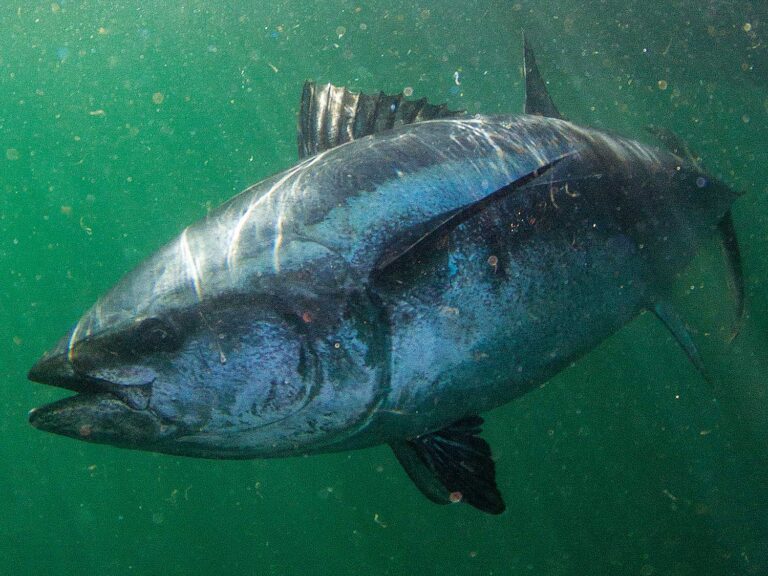
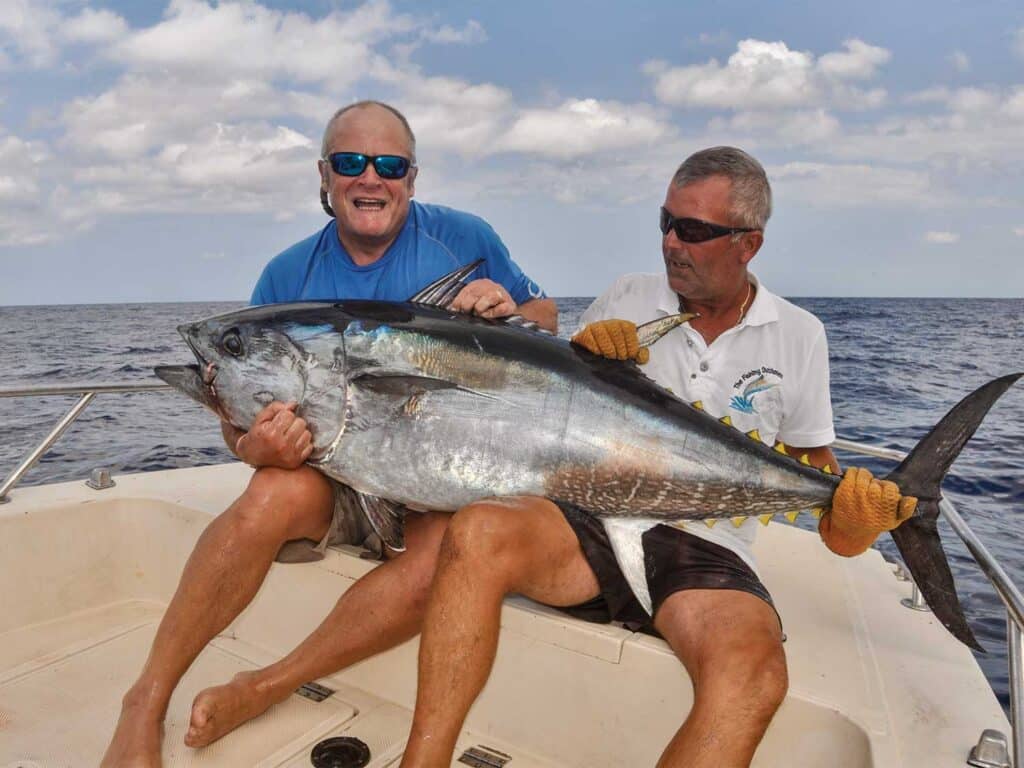
Bluefin tuna are the region’s dominant gamefish, with all sizes present, including giants exceeding 1,000 pounds. Albacore, skipjack, little tunny, Atlantic bonito, bullet tuna and seasonal dorado round out the pelagic mix, though species such as wahoo and yellowfin tuna are absent.
While often associated with beaches, wine and history, the Mediterranean offers a compelling bluewater fishery just a short run from shore. Though it lacks the volume of destinations like Costa Rica or Guatemala, it more than compensates with scale, variety, culture and setting, pairing serious offshore fishing with luxury marinas, historic ports and relatively effortless travel. The destinations that follow highlight some of the best places to experience big-game fishing in the Med.
Gibraltar
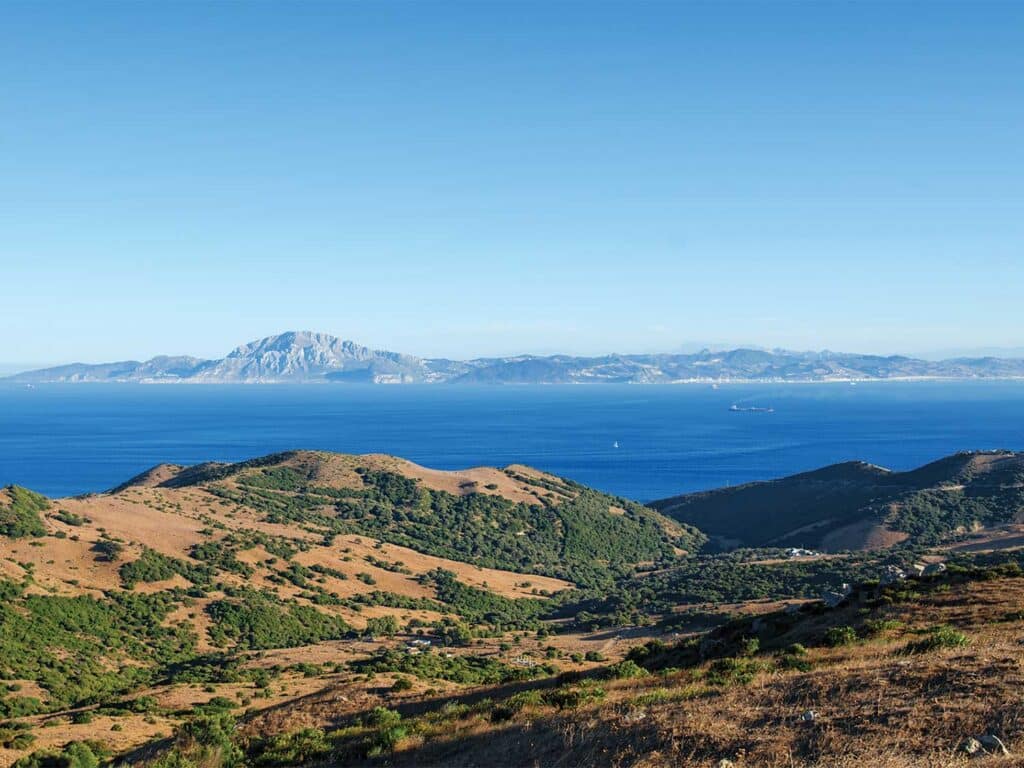
Gibraltar, a Crown Colony of the UK, is located at the southern tip of the Iberian Peninsula, just 7.7 nautical miles from Morocco on the north African coast. A natural choke point, aside from being one of the busiest shipping lanes in the world, the Straights of Gibraltar are a key waypoint on the migration route for countless bluefin tuna as they move back and forth between the Atlantic and the Mediterranean.
Bernard Wright, quota manager for bluefin tuna in Gibraltar, says the fishery is carefully managed and tightly regulated. “We have a very controlled recreational tuna fishery in Gibraltar, with a season that runs from June 16 through October 14,” Wright explains.
According to Wright, the early part of the season often produces the largest fish. “The first run of fish are typically the biggest,” he says. “They usually average between 200 and 500 pounds, but much bigger fish are caught.”
Tactics evolve as the season progresses. “Tuna here are caught trolling lures or fishing live baits early on,” Wright notes. “Later in the season, when smaller fish are running, anglers have success casting surface poppers and other lures.”
Charter boats are available locally throughout the tuna season. For visiting anglers looking to book a trip, the Rock Angling tackle shop is a reliable point of contact and can assist with local charter connections.
Balearic Islands
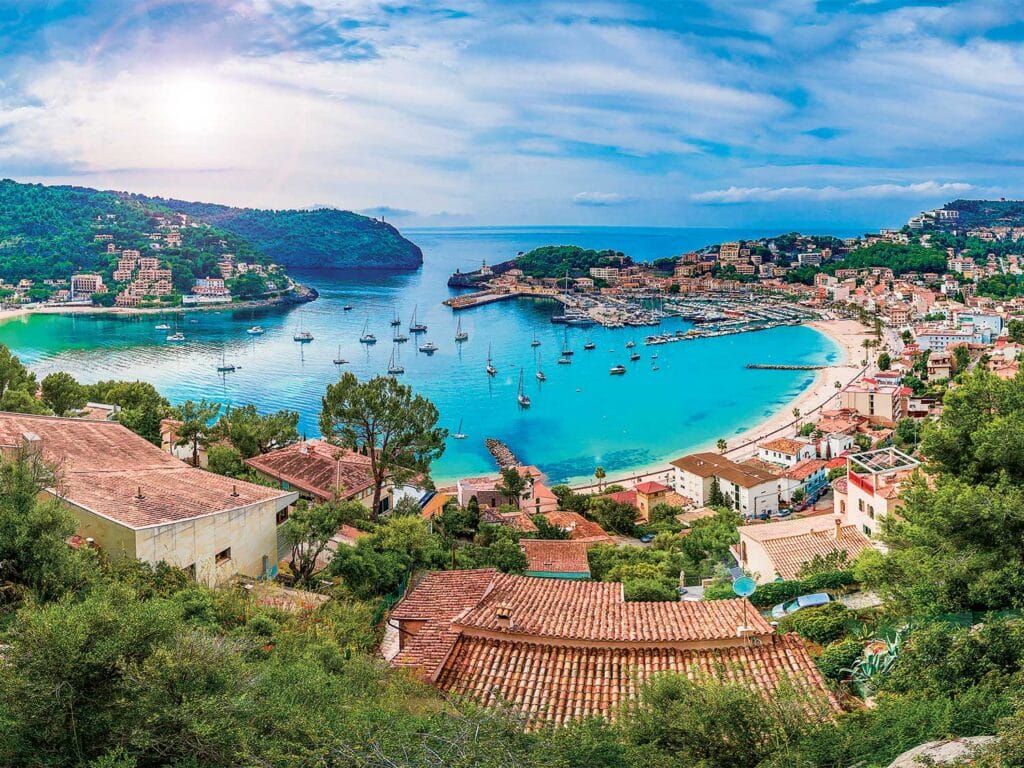
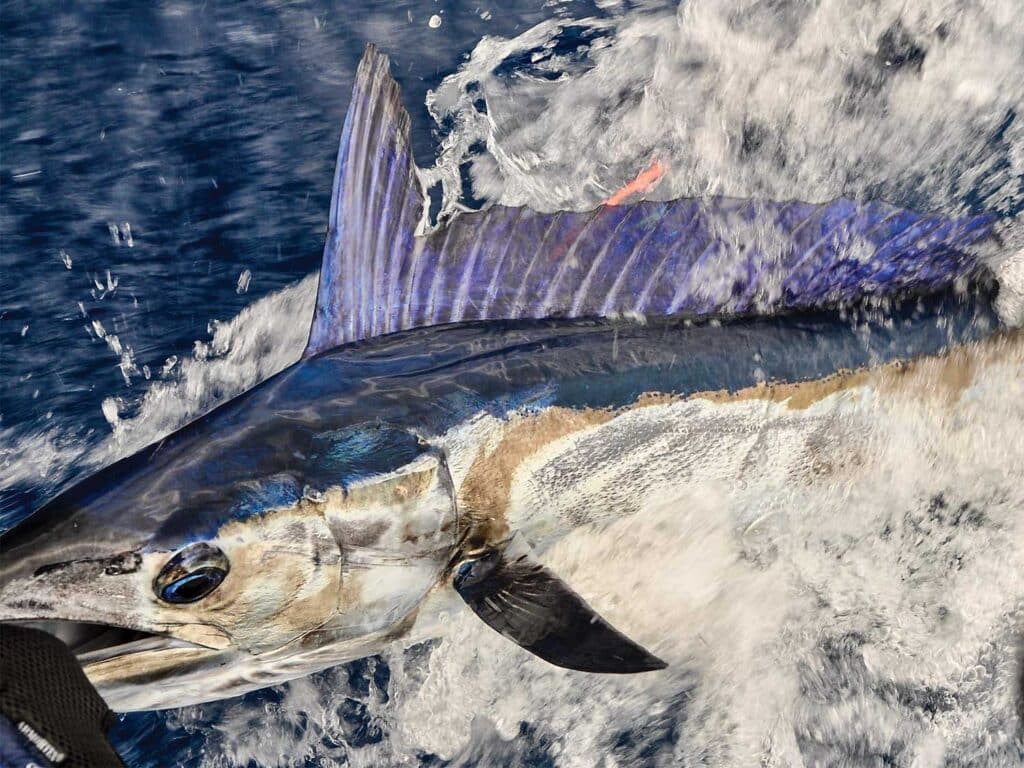
The Balearic Islands—Mallorca, Menorca, Ibiza and Formentera—are a Spanish-administered archipelago located south of Barcelona. Here you will find some the most popular and populated tourist destinations anywhere within the Mediterranean. Not too long ago, this was not somewhere associated with world-class sport fishing, but that has changed in recent years. Today the island of Mallorca is widely recognized as being among the best, if not the very best, destinations anywhere in the world to catch a spearfish.
Based at Alcudia on Mallorca’s northeast coast, Capt. Vince Riera used to fish almost exclusively for bluefin tuna, but today he is synonymous with spearfish and swords. He long knew about the incredible numbers of spearfish in his waters, but says that his clients had little interest in catching them. Today anglers from all over the world travel to Mallorca to fish exclusively for spearfish, most looking to complete a coveted IGFA Royal Slam for billfish.
Spearfish are caught from April until early fall, prime season being April through June when multiple strikes and numerous releases per day are to be expected. I was fortunate enough to have caught the first-ever Mediterranean spearfish on fly with Riera. Soon after my fish, we started to consider the possibilities of catching a swordfish on fly, something else that had never been achieved in Europe previously, and once again we were successful.
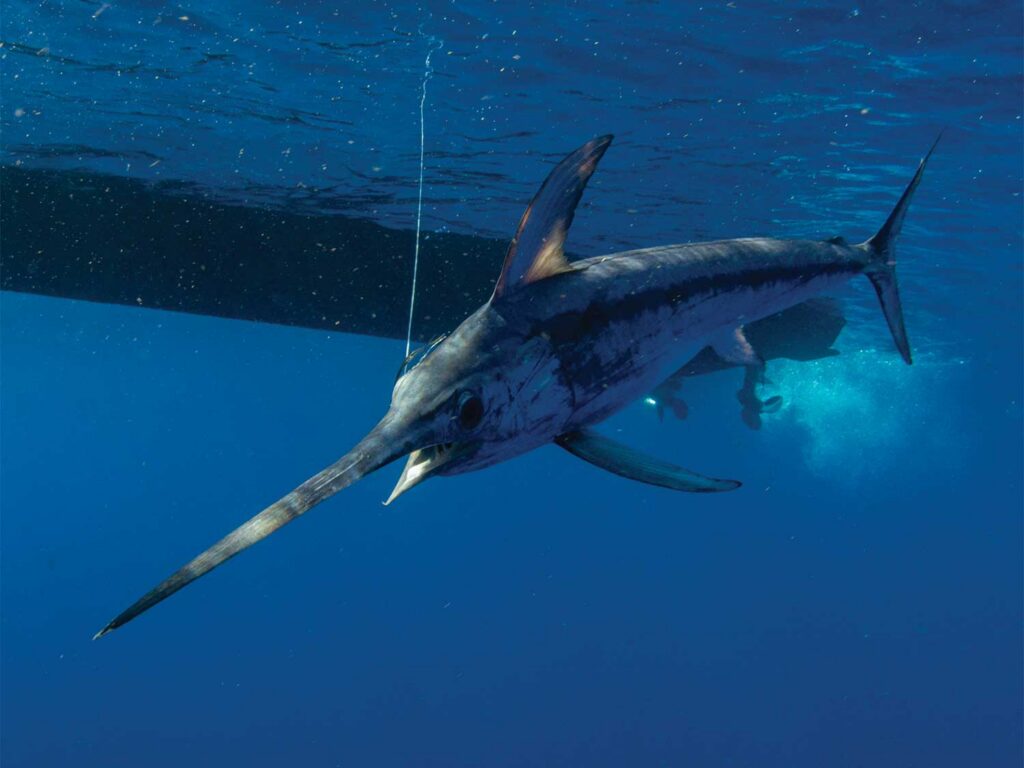
Riera fishes for swordfish year-round, deep-dropping during the daytime and bait-and-switch at night. Averaging 10 to 80 pounds, Mediterranean swordfish are not big, but larger specimens over 100 pounds are caught. During the long, dark nights of the winter months, Riera expects to raise as many as 20-plus swords per night. Bluefin tuna of all sizes are abundant throughout the Balearic Islands during the spring and summer months; Riera has released fish in excess of 1,000 pounds.

France and Monaco
Capt. Antoine Drochon runs Papeete, a Beaulieu-sur-Mer-based sport-fisherman on the French Riviera, just east of Monaco. In this stretch of coastline, the continental shelf drops off sharply, creating prime habitat for a variety of pelagic species—most notably spearfish, which have become a growing specialty in the area.
“Each year we are catching more and more spearfish,” Drochon says. According to him, the season typically runs from May through the end of October, with fish concentrated along the steep structure offshore. “We fish around the 800- to 1,000-meter drop-off and the seamounts,” he explains, “but sometimes we find spearfish very close to land, in water as shallow as 20 meters.”
Trolling remains the primary tactic. “For spearfish we mostly troll at speeds of 6 to 7 knots, fishing seven rods rigged with surface lures,” Drochon says. Among his go-to offerings are the Black Bart Costa Rican Plugger and Cabo Prowler, along with Islamorada Flyers. He also mixes in bait-and-switch techniques and fly-fishing when conditions allow. “Our best day on spearfish was 10 bites out of 15 shots,” he adds.
Beyond spearfish, the fishery also offers consistent action for bluefin tuna. “We catch a lot of bluefin tuna,” Drochon says. Offshore, his team targets smaller fish averaging 10 to 80 pounds by trolling a mixed spread of deep divers and surface lures. In shallower inshore water, they focus on larger tuna up to 250 pounds, chumming with sardines and live baits. “We also spin and jig for tuna,” he adds, rounding out a diverse and highly technical fishery close to shore.
Corsica
“Not all Mediterranean islands are rich in fish, but this is certainly not the case with Corsica,” says Capt. Patrice Garziglia, a highly respected captain who guides anglers around the world and calls the island his home. According to Garziglia, geography plays a major role in the island’s productivity. “Both ends of the island are teeming with fish because there is a lot of wind and current,” he explains. “The west coast and the south are better than the east coast, as there are more rocks and drop-offs.”
From late spring through early fall, bluefin tuna are a major draw. “Between May and October there is a large migration of bluefin tuna,” Garziglia says, noting that most fish range from 60 to 130 pounds. These tuna can be challenging to target. “They rarely come to the surface, so they are difficult to locate and catch using lures,” he adds. Instead, the most effective approach involves fishing dead sardines on 20- to 50-pound-class tackle.
Spearfish are also a consistent presence in Corsican waters. “There are many spearfish here,” Garziglia says, adding that the island also offers excellent fishing for dentex and amberjack when using live baits.
For visiting anglers looking to tap into the fishery, Garziglia notes that most of the island’s professional sport-fishing operations are based out of Ajaccio, Propriano and Bonifacio.

Sardinia
Off the northeast coast of Sardinia, the waters surrounding Porto Rotondo have emerged as one of the Mediterranean’s most reliable destinations for spearfish. Just offshore, a network of deep canyons and steep structure creates ideal conditions for a diverse mix of pelagic species throughout the summer months.
Sandro Onofaro, a former president and commodore of the Porto Rotondo Yacht Club, has been closely involved in the local fishery and its conservation. He also helped launch the Mediterranean Spearfish Project in collaboration with the IGFA, Stanford University, Sea Life Care and Anton Dohrn Marine University.
Onofaro specializes in trolling for spearfish, operating out of this regional hotspot. “About 12 miles from the coast we have a large number of canyons that start from 500 to 700 meters and reach down to 1,000 meters,” he explains, pointing to the underwater structure as the key to the fishery’s productivity.
The season typically runs from May through the end of September. “In addition to spearfish and swordfish, we catch albacore, bluefin and skipjack tuna, plus dorado,” he says, underscoring the diversity of species available during the peak months.
Croatia
Located opposite Italy along the eastern shore of the Adriatic Sea, Croatia is a country that takes sport fishing very seriously. Several large tournaments are held here each year, with bluefin tuna being the primary target species.
German angling photojournalist Jurgen Oeder—author of Successful Fishing in the Mediterranean—has fished Croatia extensively and says bluefin tuna distribution has changed noticeably in recent years. “Usually, the larger bluefin are caught in the north of the country,” Oeder explains. “But in recent years, countless smaller tuna weighing 40 to 60 pounds are being caught everywhere, from north to south.”
Swordfish, by contrast, remain less common due to the Adriatic’s limited depth. “For the most part, the Adriatic is so shallow that swordfish are not common,” Oeder says, “but occasionally, swordfish are caught in areas of deeper water, such as off the island of Žirje.”
One of the country’s key sport-fishing hubs is Jezera, located on the Murter Peninsula. “Jezera is one of the main sport-fishing centers,” Oeder notes, describing it as a colorful midsummer scene with dozens of boats packed into the small harbor. Among the local captains, he points to Ivan Babić, who targets both tuna and swordfish. “The son of a professional fisherman, Babić has notable captures that include tuna over 500 pounds on stand-up tackle,” Oeder says.
Techniques along this stretch of coastline are well-refined. “The usual method for tuna is drift-fishing with dead sardines in a chum trail, fishing three rods at different depths,” Oeder explains. Swordfish to 175 pounds have also been taken here during daylight hours, along with the occasional spearfish, an unexpected but welcome bonus in Croatian waters.

Tarpon in The Sistine Chapel?
The ceiling of the Sistine Chapel in the Vatican City is adorned by the famous fresco painted by Michelangelo. Completed in 1510, it features what is almost certainly the earliest accurate depiction of a tarpon! It is very unlikely that tarpon once existed in the Mediterranean, yet there can be little doubt that this is exactly what Michelangelo has painted. But where exactly was he able to study his subject in order to paint such an accurate record? Portuguese explorers first reached Senegal and Cape Verde in 1444. This should be the earliest recorded date that Europeans would have encountered tarpon within their present home range, but nobody knows for sure. Possibly, just possibly, rather than the west coast of Florida, the history of tarpon fishing might have its roots embedded in the Mediterranean.
Travel Tips
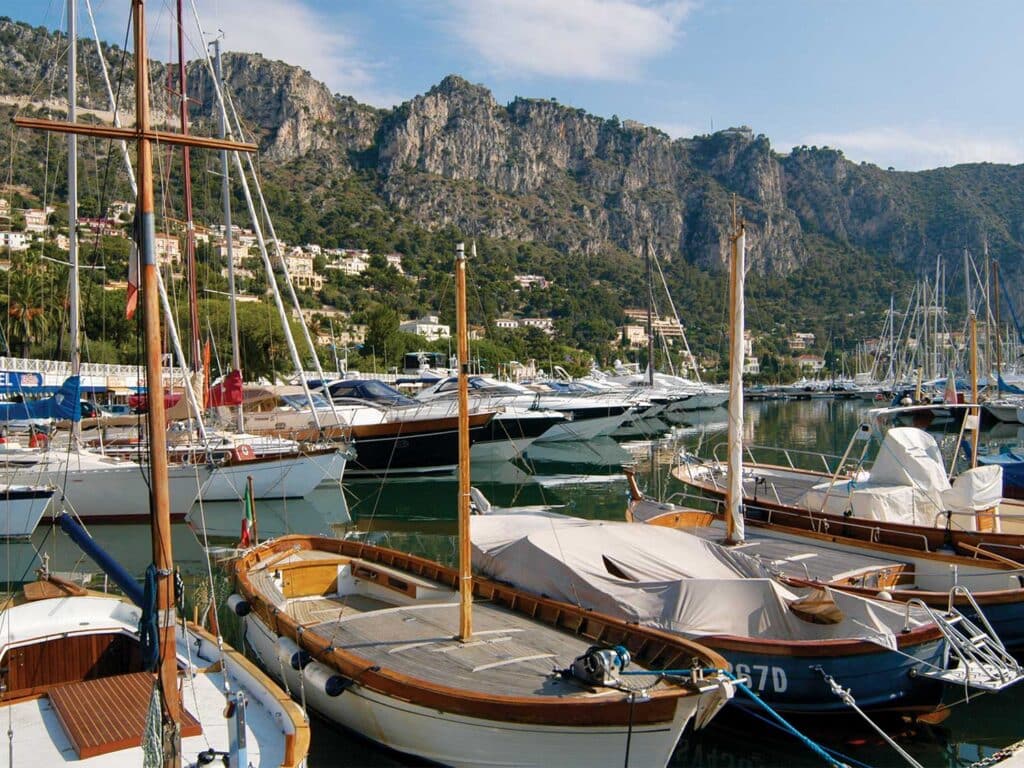
The Mediterranean has long been a popular vacation destination with Europeans, and much of the coastline has been developed into tourist infrastructure, with many hotels, resorts and marinas. Access to the coast is easy, with frequent low-cost connections from all major European capital cities. You will find fishing charter boats at most of the larger coastal towns and cities, but most of these only cater for holiday-makers. As a result, the biggest problem visiting sport fishermen encounter is finding a suitably equipped boat to charter. Most of the larger marinas have a yacht club, and from my experience, this is the best place to start looking for a suitable charter.